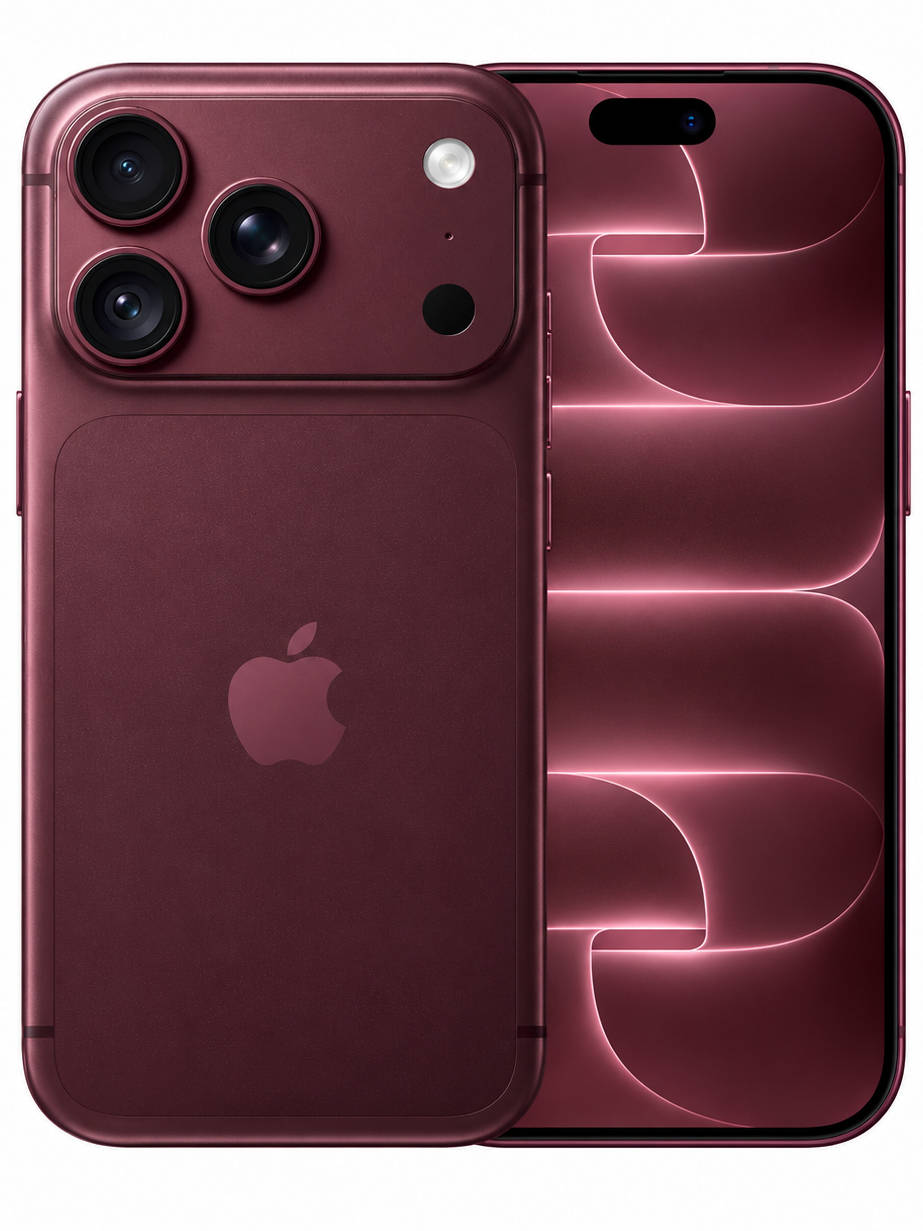
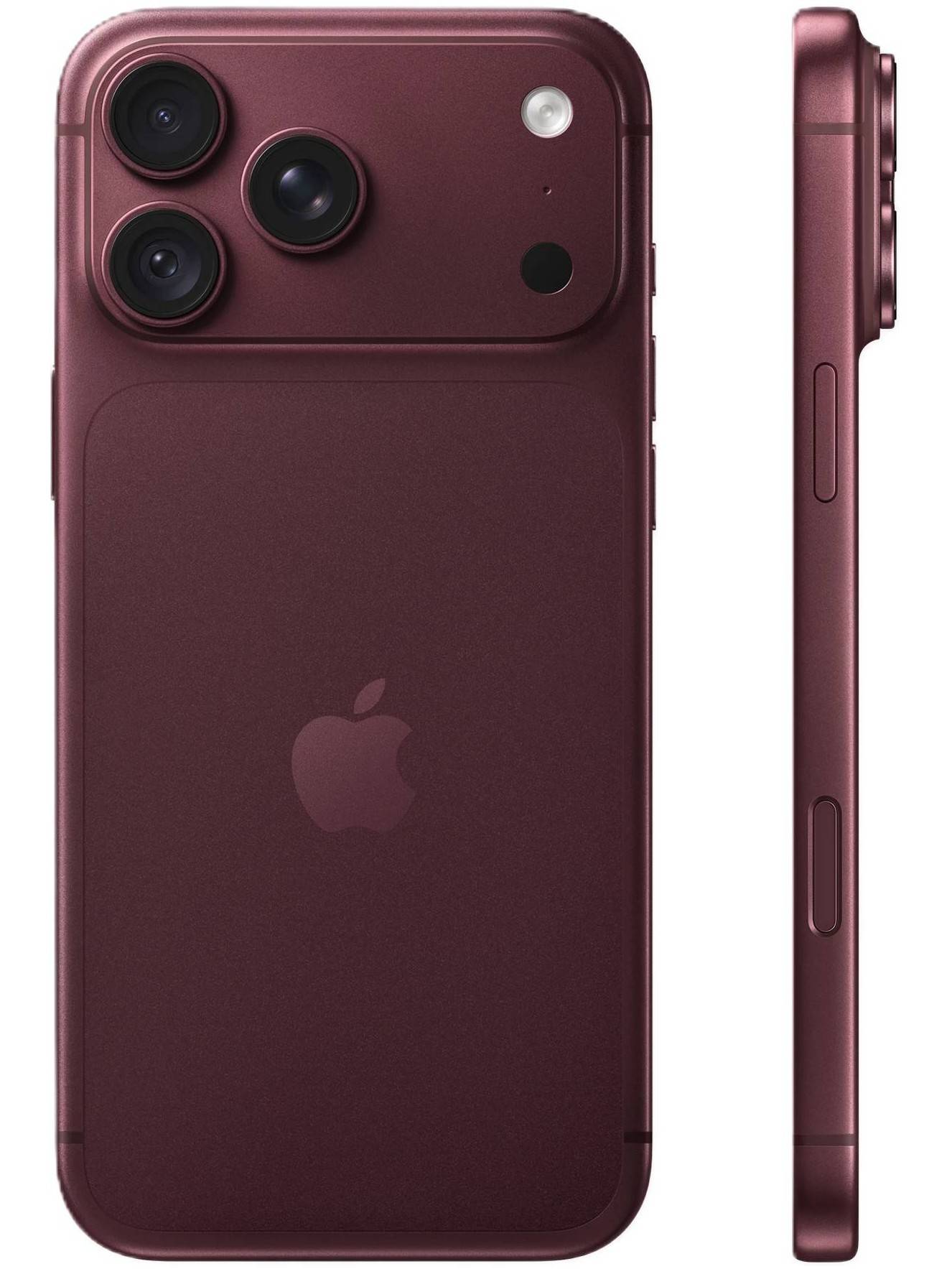
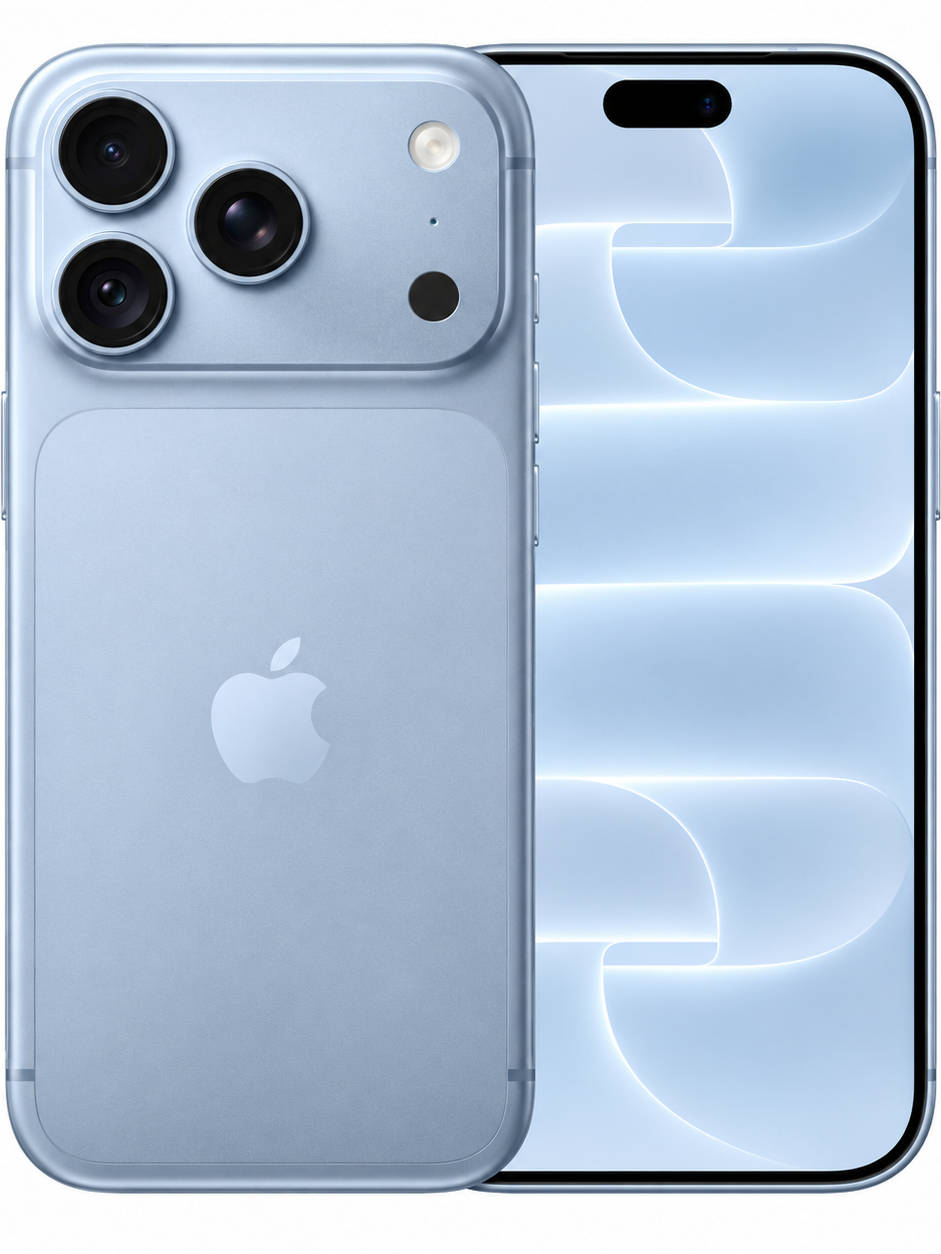
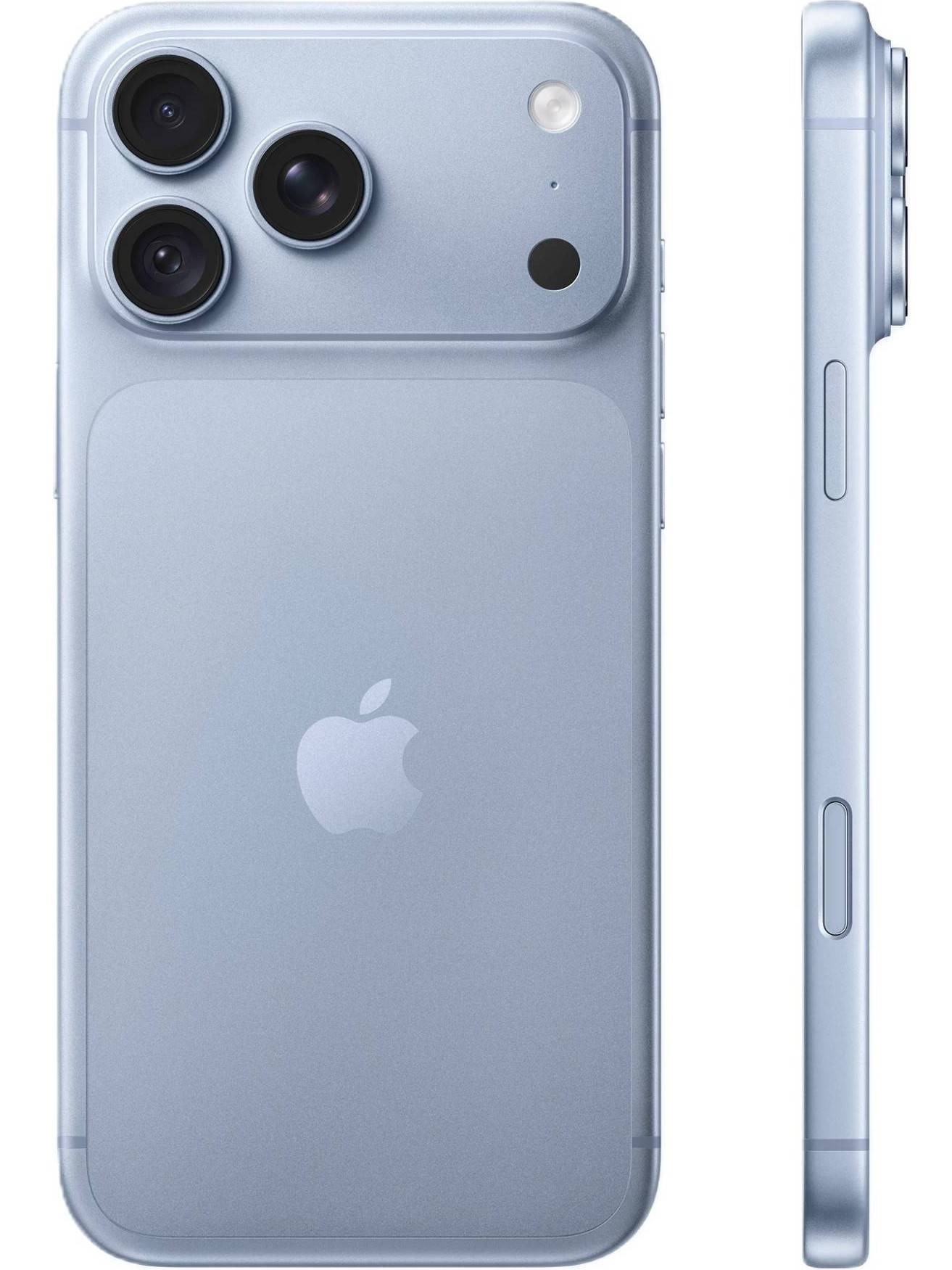
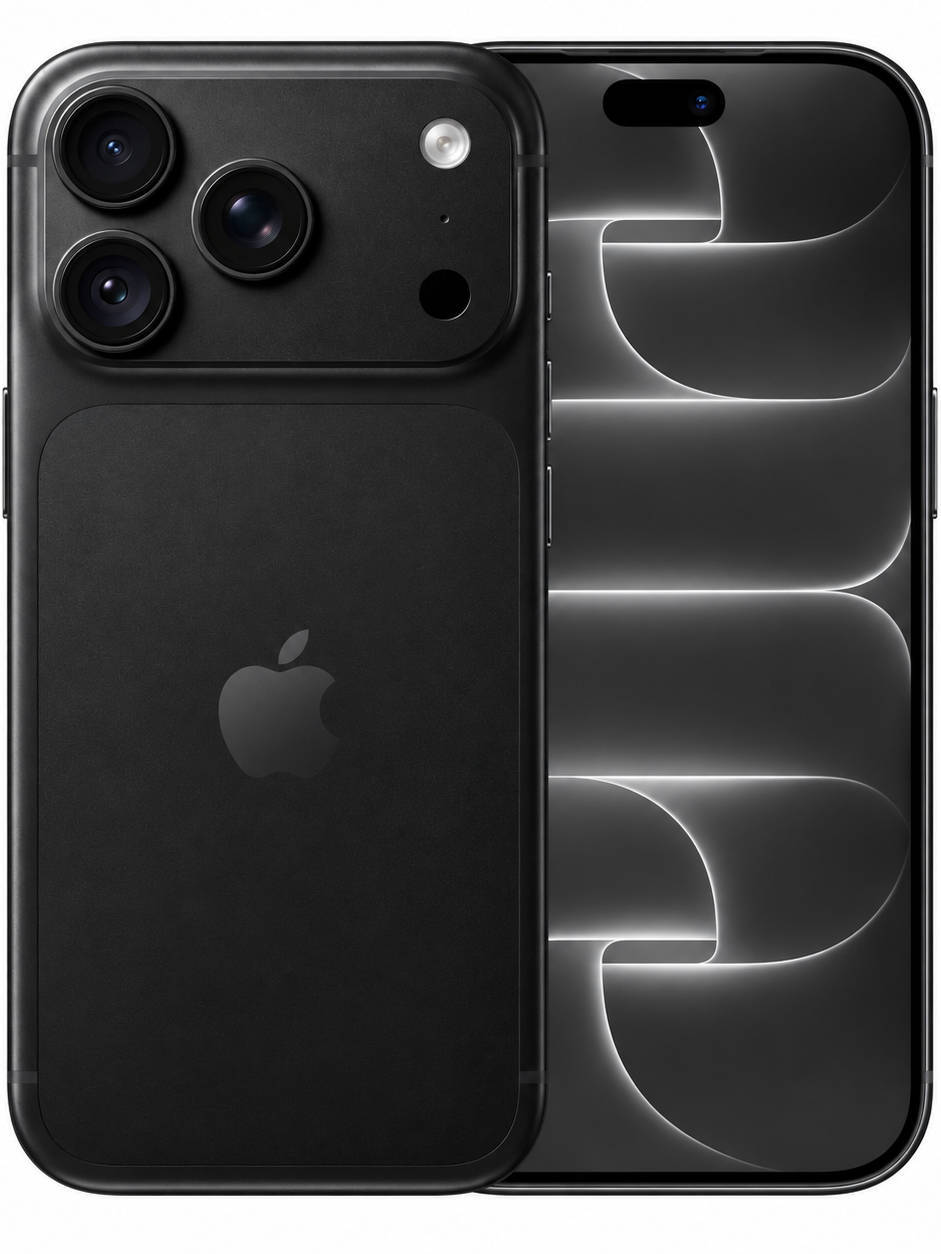
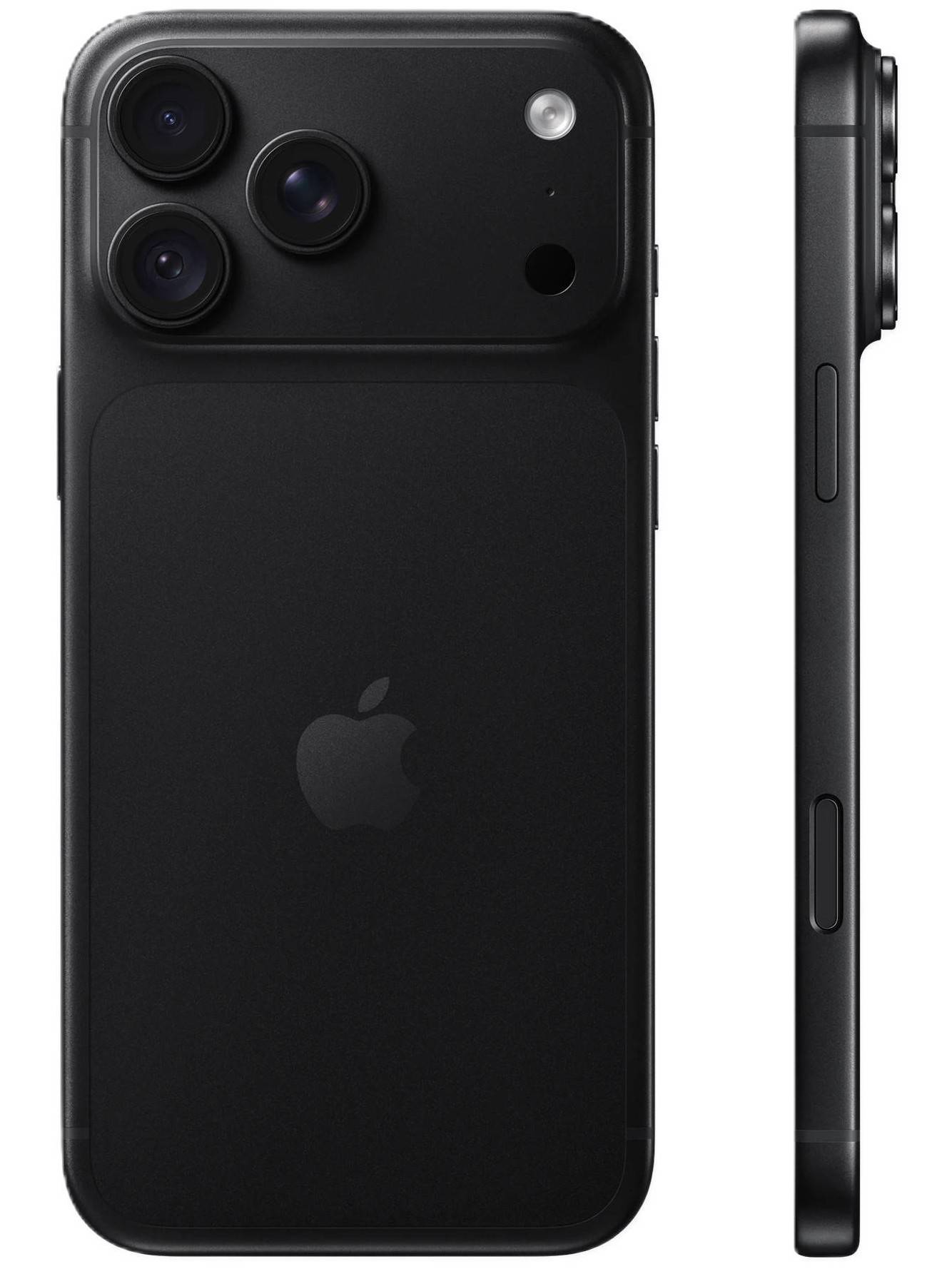
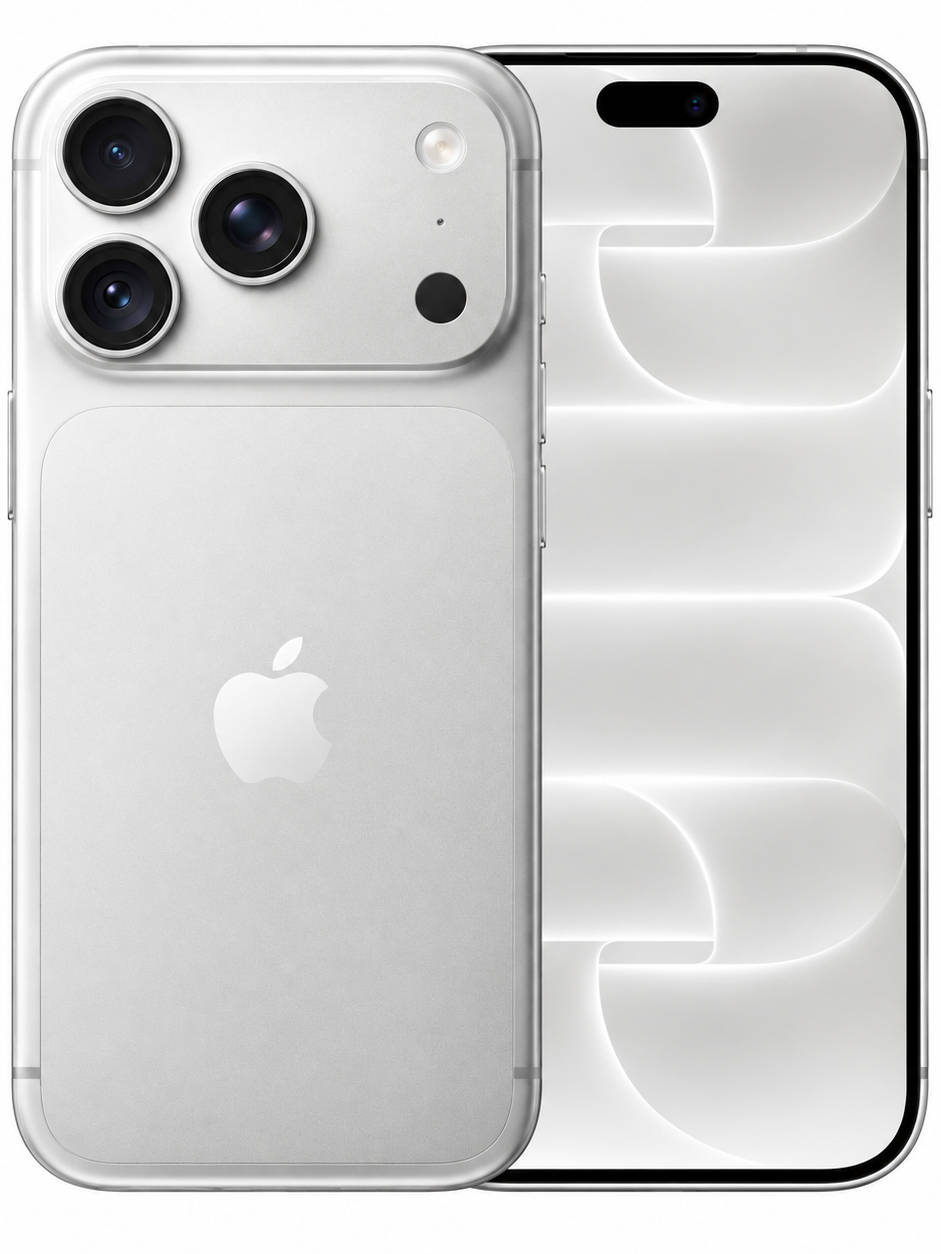
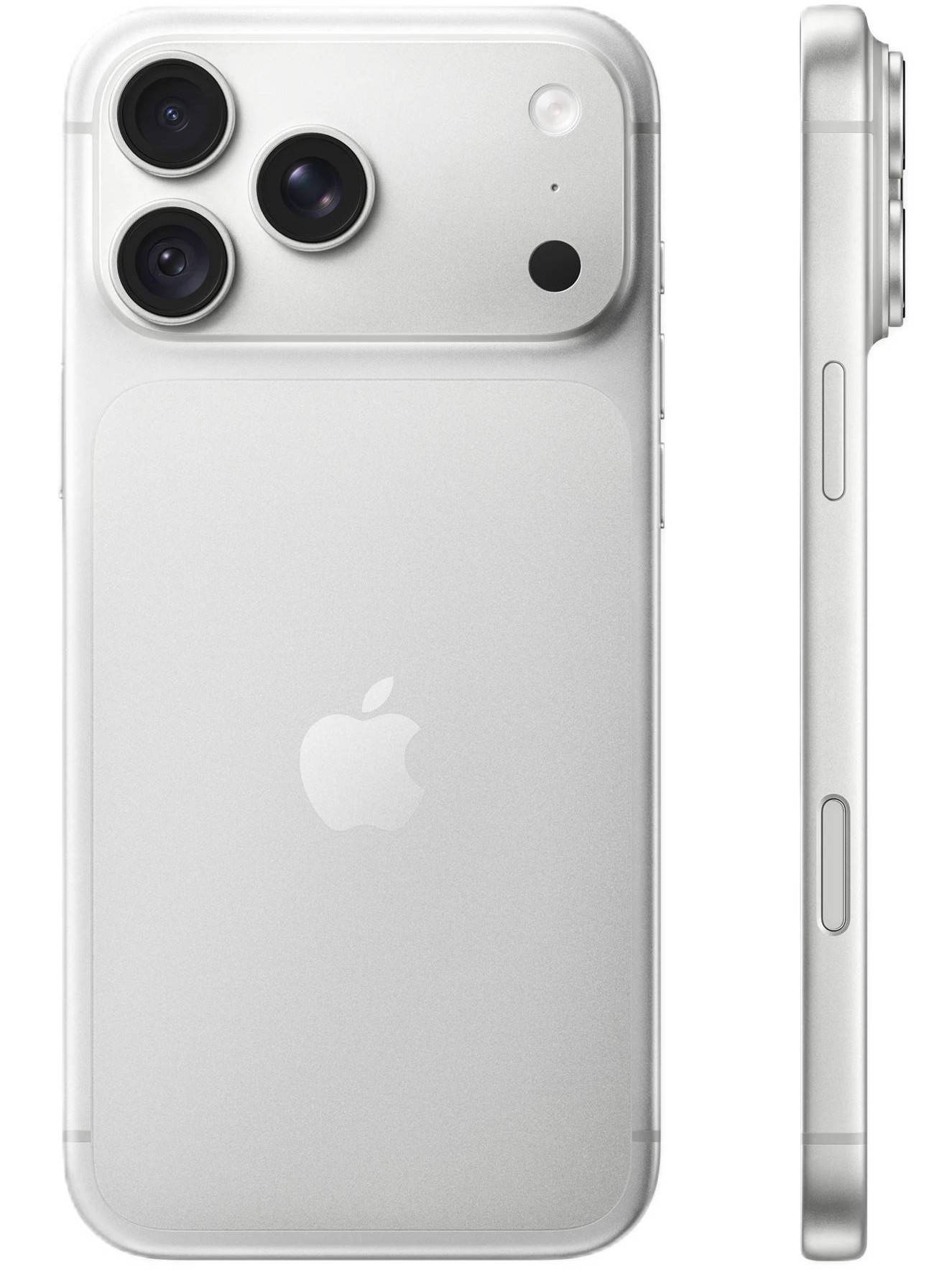
Apple has revealed a spec for its new iPhones it typically leaves out of its launch announcements. The company’s iPhone 18 Pro and iPhone 18 Pro Max battery capacities have now been made public, which is something Apple never does for its new launches. This is thanks to new EU regulations which require their EU Energy Labels to display all info.
Meanwhile, early Geekbench results also offer a first look at how much faster the new A20 Pro chip is than the previous generation. The figures also give buyers a better idea of what separates the two Pro models, particularly when it comes to battery life and sustained performance.
iPhone 18 Pro, iPhone 18 Pro Max battery capacities
According to the EU Energy Labels, the iPhone 18 Pro has a 4,056mAh battery, while the iPhone 18 Pro Max packs a 5,391mAh cell. That represents a modest 1.45 percent increase for the smaller Pro compared with the iPhone 17 Pro, while the 18 Pro Max gets an 11.8 percent larger battery than the iPhone 17 Pro Max.
There is an important regional difference, however. The EU models retain a physical SIM slot, which takes up additional internal space. iPhone 18 Pro models sold in markets like the US where Apple uses eSIM-only designs can therefore have larger batteries. Buyers should keep that distinction in mind when comparing battery figures from different regions.
The Energy Labels also give both phones an A overall energy rating, a B rating for drop resistance and a C repairability rating. Both are IP68-rated for dust and water resistance, while Apple says their batteries should retain at least 80 percent of their original capacity after 1,000 charge cycles.
Apple’s own battery estimates put the Pro Max ahead, as expected. For eSIM-only models, the company claims up to 36 hours of video playback on the iPhone 18 Pro and up to 45 hours on the Pro Max. Under its newer real-world usage measure, the figures are up to 24 and 30 hours respectively.
Both models also support faster wired charging, reaching 50 percent in around 15 minutes, while five minutes of charging can reportedly deliver around six hours of video playback.
iPhone 18 Pro, iPhone 18 Pro Max Geekbench
The performance details (via) of the A20 Pro chip come from Geekbench. Two devices identified as iPhone 19,2 and iPhone 19,3 have appeared on Geekbench 6.7, posting single-core scores of 4,719 and 4,612 and multi-core scores of 12,677 and 11,819. Averaged together, that works out to roughly 4,665 in single-core and 12,248 in multi-core performance. Compared with average Geekbench results from the iPhone 17 Pro and Pro Max, these preliminary scores suggest a roughly 21-23 percent improvement in both areas.
The A20 Pro also brings a 2nm manufacturing process, a six-core CPU with two performance-focused Supercores and four efficiency cores, and a seven-core GPU. Apple claims up to 20 percent faster CPU performance and up to 40 percent faster GPU performance than the previous generation. The chip also adds a second Neural Engine, taking the total to 32 cores, while memory bandwidth is up by 50 percent. That should benefit demanding on-device AI tasks and games as much as traditional benchmark workloads.
Apple has also redesigned the chip packaging and added a larger vapour chamber. The new cooling system has three times the surface area of the one in the iPhone 17 Pro, with Apple claiming up to 40 [ercent higher sustained performance than that model. This could be more important in everyday use than a short Geekbench run. A phone that can maintain high performance during long gaming sessions, video processing or local AI workloads has a practical advantage over one that only produces a higher peak score.
A prototype using MediaTek’s upcoming Dimensity 9600 has reportedly reached 4,139 in single-core and 13,285 in multi-core testing. That would put it behind the A20 Pro in single-core performance but ahead in multi-core. However, these are prototype results, and the Snapdragon 8 Elite Gen 6 results currently circulating are also inconsistent. It’s too early to declare a clear winner between Apple’s chip and the next generation of Android processors.
For buyers deciding between the two new Pro models, the iPhone 18 Pro Max remains the obvious choice if battery life is the priority. Its larger battery and longer claimed runtime make it better suited to heavy users, although its larger size and likely higher price remain trade-offs. The iPhone 18 Pro is more interesting for buyers who want a smaller phone without giving up the A20 Pro’s performance. Apple claims its battery efficiency allows it to match the iPhone 17 Pro Max’s all-day battery life despite its smaller body.
Apple iPhone 18 Pro Images