At CES 2026, AMD expanded its computing portfolio with a trio of new processor series designed to push AI capabilities into more form factors. The announcement covers everything from mainstream Copilot+ PCs to premium ultra-thins and enterprise-ready business laptops. The newly launched lineup includes the Ryzen AI 400 Series, Ryzen AI Max+, and Ryzen AI PRO 400 Series processors. We’ll take a look at them in a bit more detail below:
Ryzen AI 400 & Ryzen PRO 400
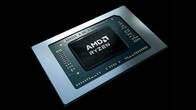
AMD’s new mobile processors bring the Zen 5 architecture to the Copilot+ ecosystem. Both the consumer (400 Series) and commercial (PRO 400 Series) chips deliver up to 60 TOPS of NPU compute. By exceeding Microsoft’s requirements, AMD claims these chips will standardise high-performance local AI across both consumer and enterprise laptops.
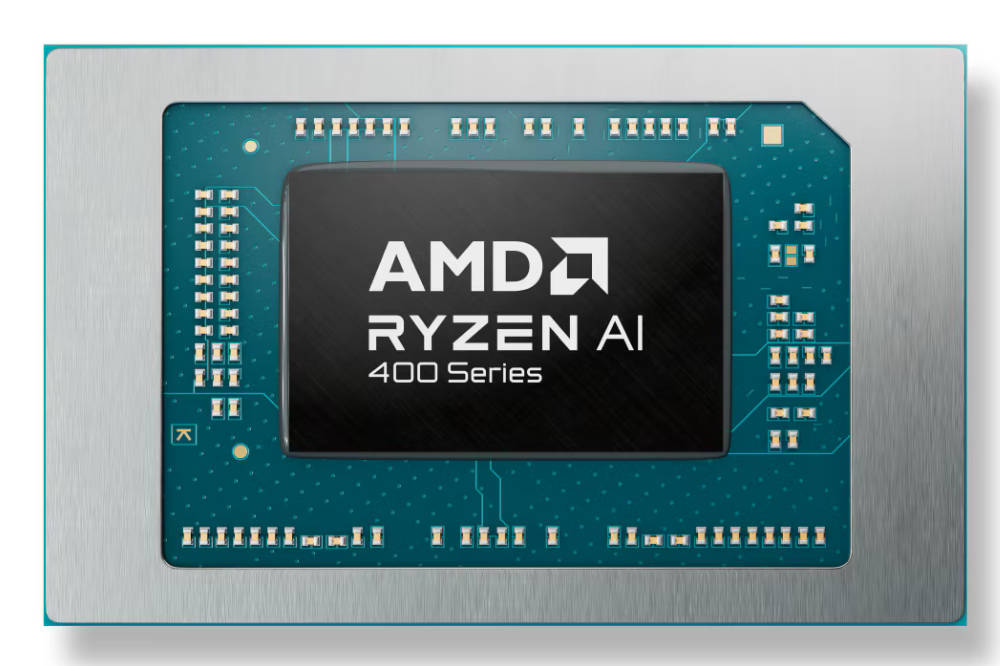
The chips scale up to 12 high-performance cores paired with Radeon 800M graphics, but the PRO series is slightly different as it incorporates features built specifically for the enterprise. All these processors have a cTDP rating of between 15W and 54W, making them quite efficient. By integrating AMD PRO Technologies, the Ryzen AI PRO 400 Series offers multi-layered security, manageability, and platform stability that IT departments may require. Let’s take a brief look at their specifications below:
| Model | Cores / Threads | Boost/ Base Frequency | Total Cache | Graphics Model | NPU TOPS | Graphics CUs |
| Ryzen AI 9 HX 475 | 12C/24T | 5.2GHz/2.0GHz | 36 MB | Radeon 890M Graphics | 60 | 16 |
| Ryzen AI 9 HX 470 | 12C/24T | 5.2GHz/2.0GHz | 36 MB | Radeon 890M Graphics | 55 | 16 |
| Ryzen AI 9 465 | 10C/20T | 5.0GHz/2.0GHz | 34 MB | Radeon 880M Graphics | 50 | 12 |
| Ryzen AI 7 450 | 8C/16T | 5.1GHz/2.0GHz | 24 MB | Radeon 860M Graphics | 50 | 8 |
| Ryzen AI 7 445 | 6C/12T | 4.6GHz/2.0GHz | 14 MB | Radeon 840M Graphics | 50 | 4 |
| Ryzen AI 5 435 | 6C/12T | 4.5GHz/2.0GHz | 14 MB | Radeon 840M Graphics | 50 | 4 |
| Ryzen AI 5 430 | 4C/8T | 4.5GHz/2.0GHz | 12 MB | Radeon 840M Graphics | 50 | 4 |
| Ryzen AI 9 HX PRO 475 | 12C/24T | 5.2GHz/2.0GHz | 36 MB | Radeon 890M Graphics | 60 | 16 |
| Ryzen AI 9 HX PRO 470 | 12C/24T | 5.2GHz/2.0GHz | 36 MB | Radeon 890M Graphics | 55 | 16 |
| Ryzen AI 9 PRO 465 | 10C/20T | 5.0GHz/2.0GHz | 34 MB | Radeon 880M Graphics | 50 | 12 |
| Ryzen AI 7 PRO 450 | 8C/16T | 5.1GHz/2.0GHz | 24 MB | Radeon 860M Graphics | 50 | 8 |
| Ryzen AI 5 PRO 440 | 6C/12T | 4.8GHz/2.0GHz | 22 MB | Radeon 840M Graphics | 50 | 4 |
| Ryzen AI 5 PRO 435 | 6C/12T | 4.5GHz/2.0GHz | 14 MB | Radeon 840M Graphics | 50 | 4 |
Ryzen 7 9850X3D: possibly the new gaming king
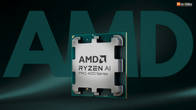
AMD’s new Ryzen 7 9850X3D is positioned as the fastest gaming chip in the 9000X3D lineup, which is well renowned and often touted as the best gaming chips on the market. By combining the Zen 5 architecture with second-generation 3D V-Cache, AMD claims this processor delivers up to 27 percent better performance than Intel’s Core Ultra 9 285K in demanding titles.
| Model | Cores/Threads | Boost/Base Frequency | Total Cache | TDP |
| Ryzen 7 9850X3D | 8C/16T | 5.6GHz/4.7GHz | 104 MB | 120W |
The chip retains the sweet-spot configuration for gamers: 8 cores and 16 threads optimised for low latency and high frame rates. It hits boost speeds of up to 5.6 GHz and packs a massive 104MB of total cache, with availability through OEMs and retail partners expected in Q1 2026.
Ryzen AI Max+: desktop-level power for ultra-thin form factor
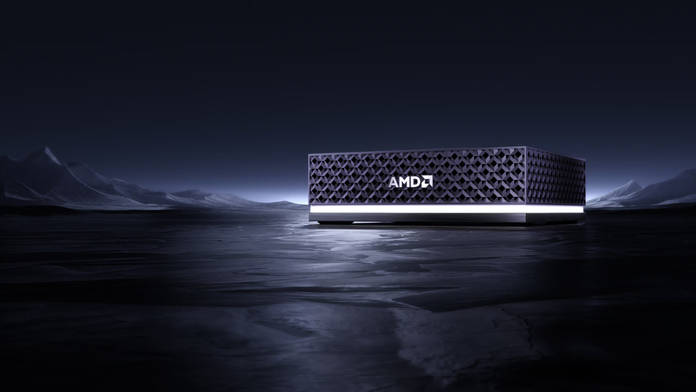
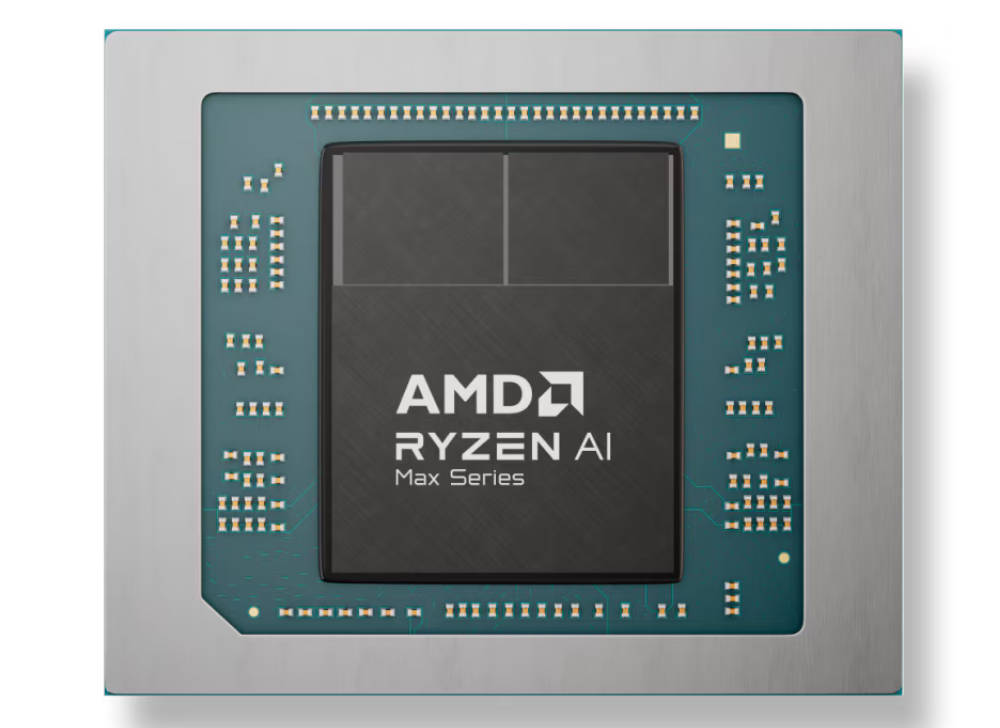
AMD is expanding its premium tier with two new SKUs, the Ryzen AI Max+ 392 and 388, designed to bring desktop-class graphics and unified memory to ultra-thin laptops and mini-PCs. These new chips enable OEMs to build portable Copilot+ PCs that can handle heavy creative workloads and immersive gaming without the bulk usually associated with such performance.
| Model | Cores/Threads | Boost/Base Frequency | Total Cache | Graphics Model | cTDP | Graphics CUs |
| Ryzen AI Max+ 392 | 12C/24T | 5.0GHz/3.2GHz | 76 MB | Radeon 8060S Graphics | 45-120W | 40 |
| Ryzen AI Max+ 388 | 8C/16T | 5.0GHz/3.6GHz | 40 MB | Radeon 8060S Graphics | 45-120W | 40 |
The architecture combines efficient Zen 5 cores with Radeon 8060S Series graphics and second-generation XDNA NPUs with up to 50TOPS of compute power. This integration allows for versatile performance across LLMs and high-resolution media rendering, with the first systems from partners like Acer and ASUS expected to launch in Q1 2026.
Intel vs AMD in 2026
Intel’s Core Ultra Series 3 is the primary challenger to AMD’s 2026 lineup, but the competition plays out differently across form factors. In the laptop market, AMD’s Ryzen AI 400 Series goes head-to-head with Intel’s Core Ultra Series 3. Both platforms are vying to power the next generation of Copilot+ PCs, with a heavy focus on battery life and local AI acceleration.
The dynamic shifts slightly when it comes to desktops. Here, the battle is more about raw power. AMD’s Ryzen 7 9850X3D targets gamers, competing directly against Intel’s high-performance Core Ultra X9 and X7 processors for gaming supremacy. Meanwhile, AMD’s new Ryzen AI Max+ series caters to a unique middle ground, bringing desktop-class graphics to ultra-thin designs.