Googlebook pre-orders announced for September 21: expected features and hardware


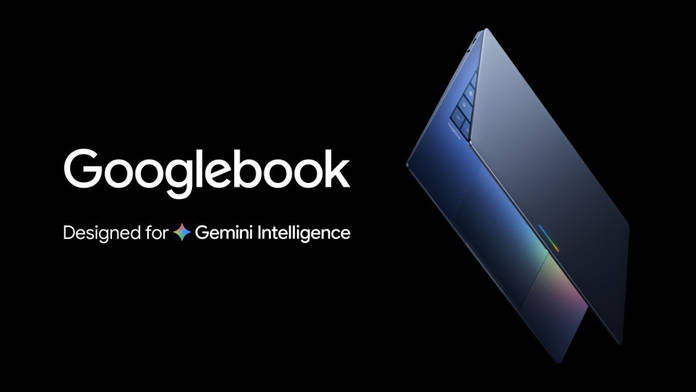
Google is moving closer to the launch of Googlebook, its new category of laptops built around Gemini Intelligence. The company has confirmed that pre-orders will open on September 21, with Acer, ASUS, Dell, HP and Lenovo among the first manufacturers to bring Googlebooks to market.
While Google has now confirmed the pre-order date, it has yet to reveal pricing, the complete hardware lineup or when the first devices will actually ship. Here’s what we know so far.
Table of Contents
What makes Googlebook different?
Google is positioning Googlebook as a new category of flagship laptops, rather than a direct replacement for Chromebooks. The main difference is how deeply Gemini is integrated into the experience, with the AI designed to understand what users are doing on screen and help them act on it.
One of the main features is Magic Pointer, which lets users point at something on screen and ask Gemini to analyse, compare or create with it without moving content into a separate chatbot. Create My Widget takes a similar approach, allowing users to build personalised desktop widgets by simply describing what they want, including information from services such as Gmail and Calendar.
Googlebook teaser is out 👀
Google is getting ready to bring a new kind of laptop built around Gemini Intelligence.
💻 New Googlebook design
✨ Magic Pointer for instant Gemini access
📱 Deeper Android phone integration
🌈 Signature Glowbar
📅 Pre-orders start September 21 at… pic.twitter.com/0plPUeqiF9
Show Full Article
— Abhishek Yadav (@yabhishekhd) September 15, 2026
Google is also putting a big emphasis on Android integration. Cast My Apps lets users open phone apps on the laptop without installing them separately, while Quick Access provides access to files stored on their Android phone. Google says these features require a phone running Android 17 or newer.
Acer, ASUS, Dell, HP and Lenovo will make the first Googlebooks, giving the platform a range of devices rather than a single reference model. Each Googlebook will also feature Google’s Glowbar, which serves as a visual identifier for the new platform.

While Google has not revealed the complete hardware specifications yet, Android Police reports that the first devices could feature 16:10 displays, with higher-end models potentially using OLED panels with high refresh rates. The publication also reports that Snapdragon X Elite and Intel processors are among the possible hardware options. These details remain unconfirmed for now.
Google is expected to reveal more at a New York event for the media, which is scheduled ahead of the September 21 pre-order date. That should give us a much clearer idea of the devices, pricing and hardware differences between the first Googlebook models.
Should you wait for Googlebook?
We know a little more about the product now compared to when it was first announced in May. There are, however, still some major questions that remain unanswered, particularly around pricing, hardware configurations and shipping.
For existing Chromebook users, the new platform could offer a step forward if Google’s Gemini features prove useful in everyday tasks. Android users also have a clear reason to pay attention because the phone integration could make switching between devices much easier.
The biggest challenge, however, lies in convincing buyers that these AI-first features are worth paying a premium for when Windows laptops and traditional Chromebooks already offer mature experiences. Googlebook has a worthwhile idea behind it, but its success will depend less on how Gemini actually makes everyday laptop tasks easier.
There are also a lot of challenges surrounding the actual hardware itself, with RAM and storage prices staying at highly inflated prices, so if the Googlebook’s pricing isn’t worthwhile, users would most likely choose to adopt more tested options like a regular Windows machine or Chromebooks at an entry-level segment.
With pre-orders opening on September 21, we should finally get a much clearer picture of Google’s strategy, including pricing and the hardware it believes can define this new category.