With CES happening at the beginning of every year, it provides a good peek at how technology will shape in the subsequent months. And because we got a chance to attend HP’s pre-CES event, I’ve had time to think about the new launches and what ties them together. It’s evident that HP is focusing on the fundamentals to stand out in the crowded segment. Read on to know why I think so.
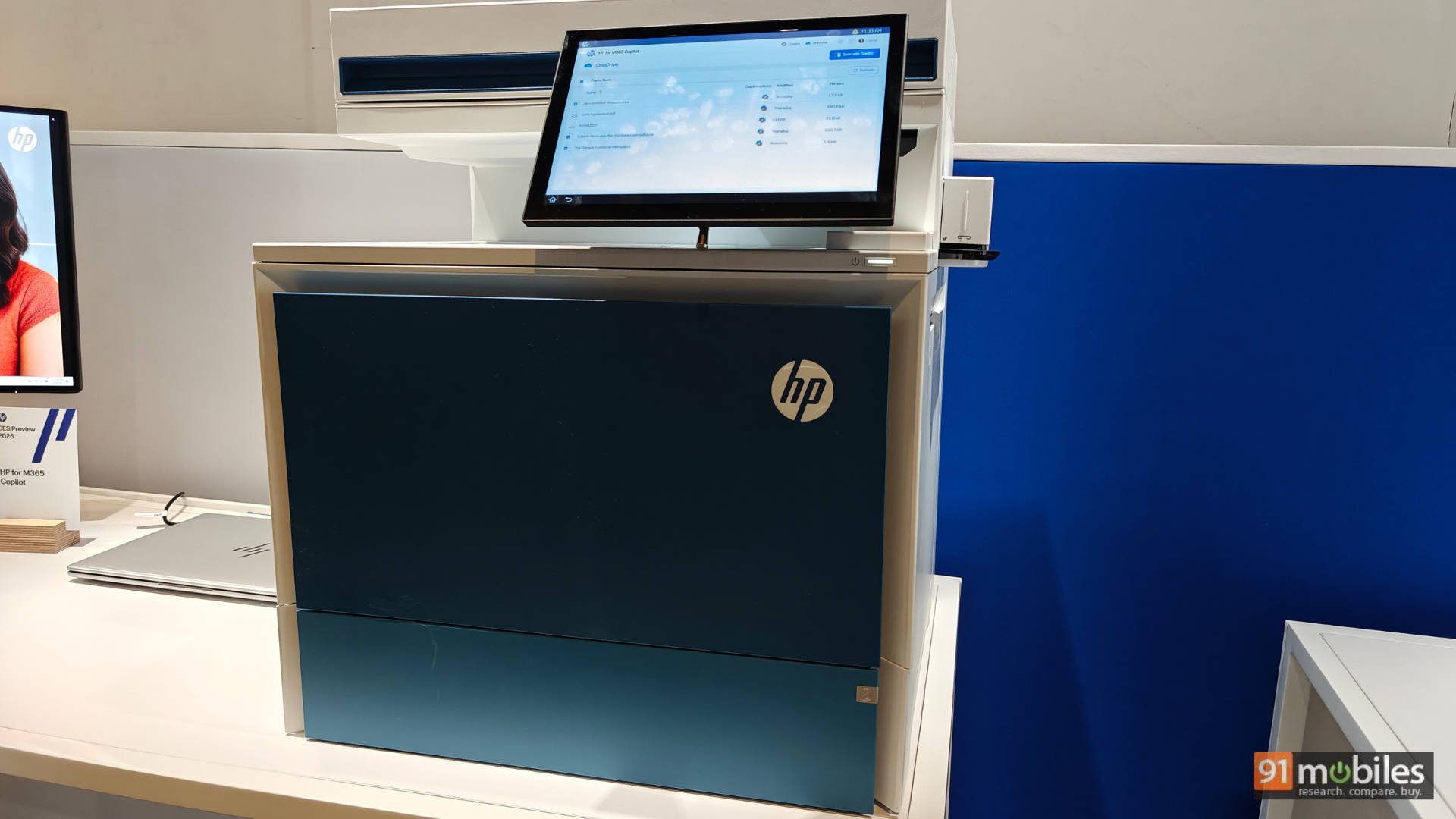
Table of Contents
Rebranding done right
As we’ve mentioned in our HyperX OMEN 15 and 16, and OMEN Max 16 first impressions, HP is aiming to unify its branding. With HyperX having a lot of cred among the gaming community and already featuring gaming accessories, it just makes sense to have the gaming laptops under this brand only.
The idea of ensuring that branding for other laptops is also cleaner is something I really appreciate. In fact, it’s been my pet peeve that why do laptops have such long, complicated model names and why the industry can’t adopt/learn from the smartphone space. Thankfully, HP started on this path last year, and it’s continuing that this year too with OmniBook and EliteBook for consumers and enterprises, respectively.
Overhauling the lineup
While you may think that rebranding would mean that the portfolio is now limited, that’s not the case:
- HyperX OMEN series covers the affordable segment and goes all the way up to the flagship.
- The HP OmniBooks have a number series along with the X series, as well as an extreme AI performance under the OmniBook Ultra branding.
- The HP EliteBook G2 series is also aimed at all kinds of users.
And while I’m just talking about PCs, the same is the case with other products unveiled by HP. Be it OmniStudio AIO, 4K monitors, HyperX gaming monitors, or other accessories.
Innovations didn’t take a backseat either

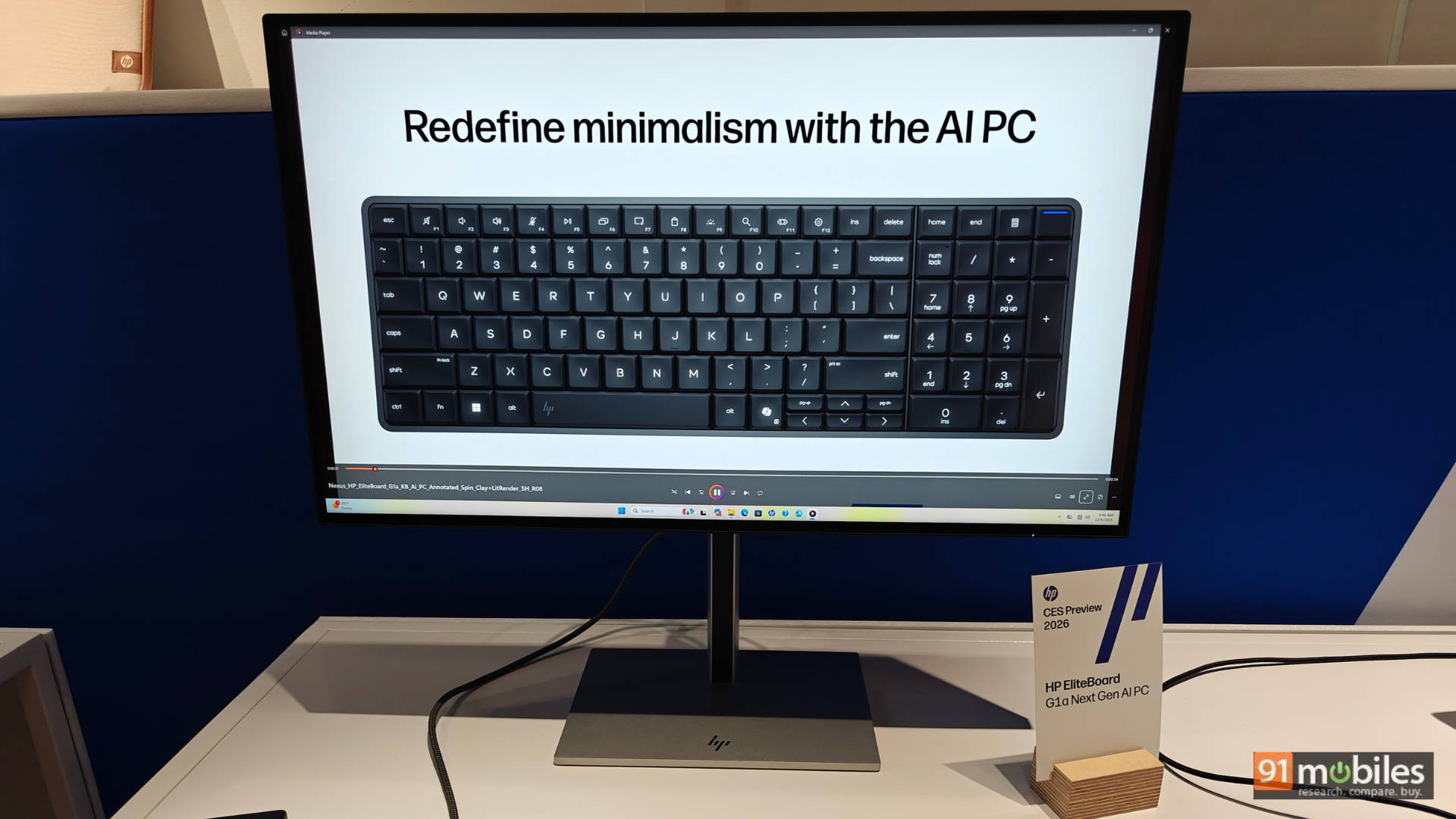
While it may seem like I’m singing high praises for the HP EliteBoard G1a, it genuinely felt like an idea that just makes so much sense. Instead of trying to cram all the hardware into a screen that can’t necessarily be carried everywhere, putting them inside a keyboard ensures both power and portability. As mentioned in the HP EliteBoard G1a first impressions, I tried it for a bit and didn’t find it lagging anywhere.
Sustainability, modularity and repairability, for the win
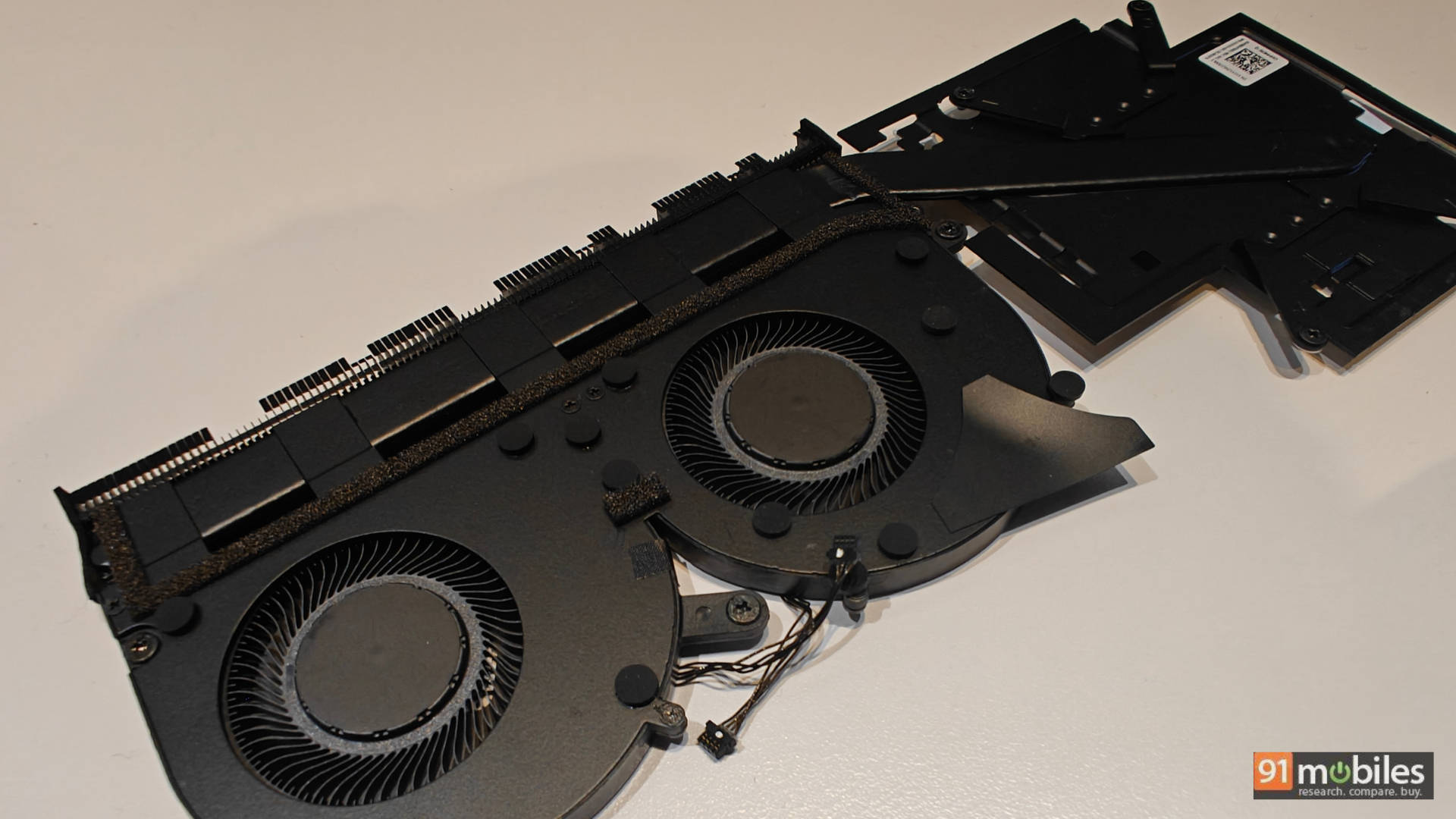
One of the biggest themes that emerged out of the pre-CES event was how HP is focusing on sustainable elements. HP claim its offerings to be the World’s most sustainable PC portfolio. For example, car parts are reborn as PC parts, with magnesium from steering wheels and aluminium from rims being used in outer covers. Carbon black from tires being used for the bezel and inner frame. And lastly, rubber from tires being used for rubber feet.
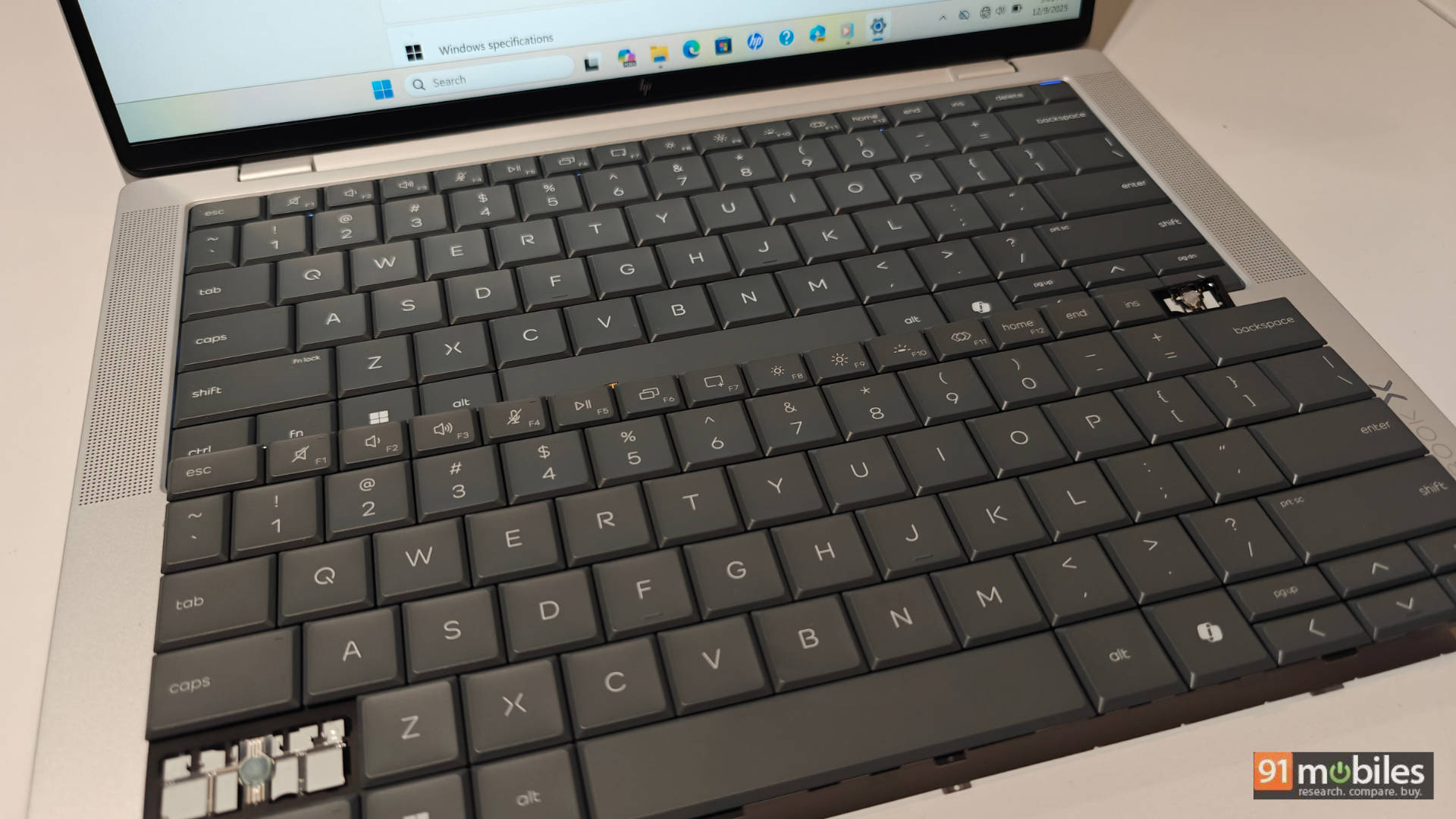
But that’s not it. What really won me over is the repairability that can be done by the users themselves. One can replace the keys of the EliteBoard G1a, or even the keyboards of the EliteBook G2 series.
AI beyond laptops
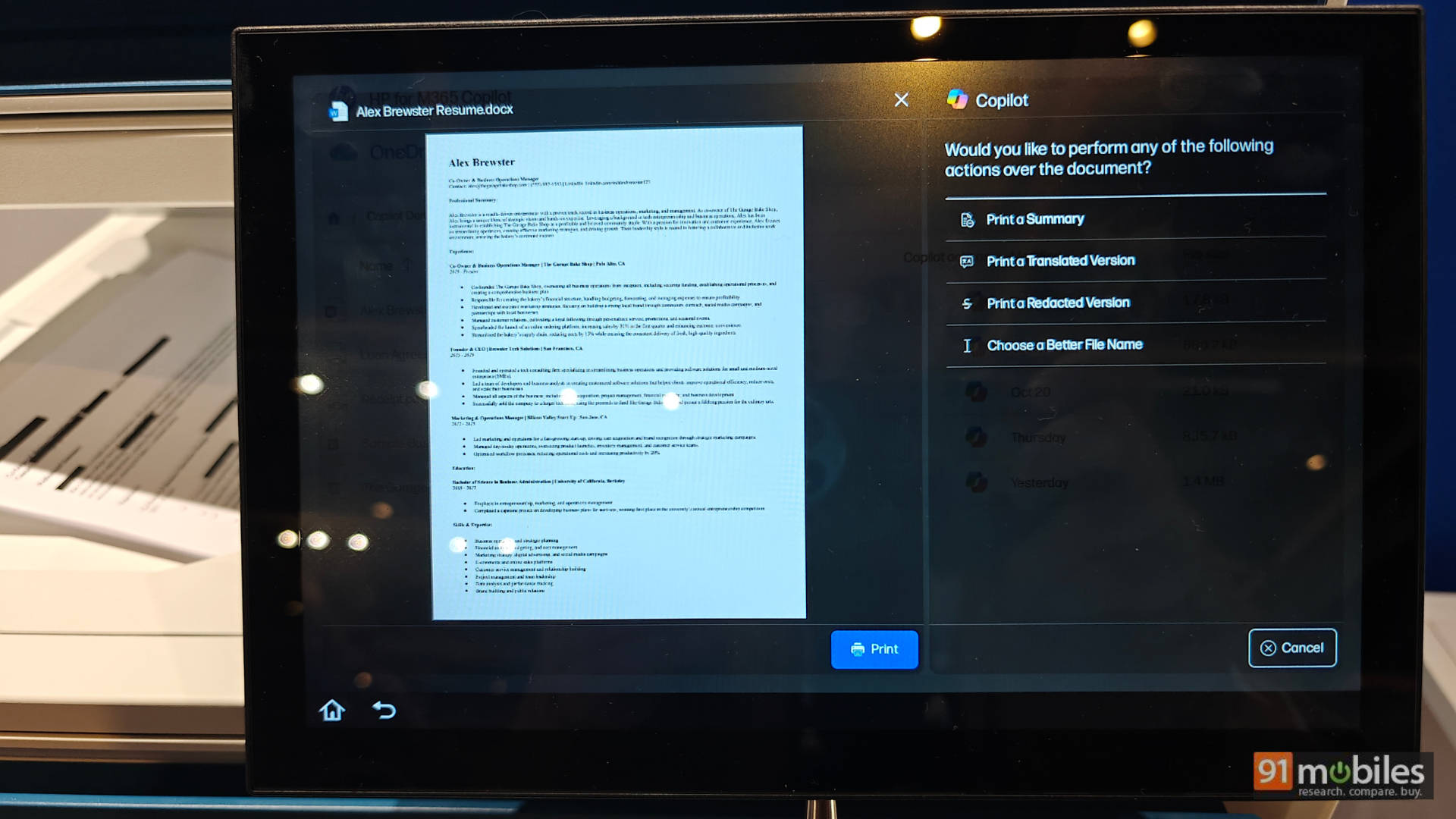
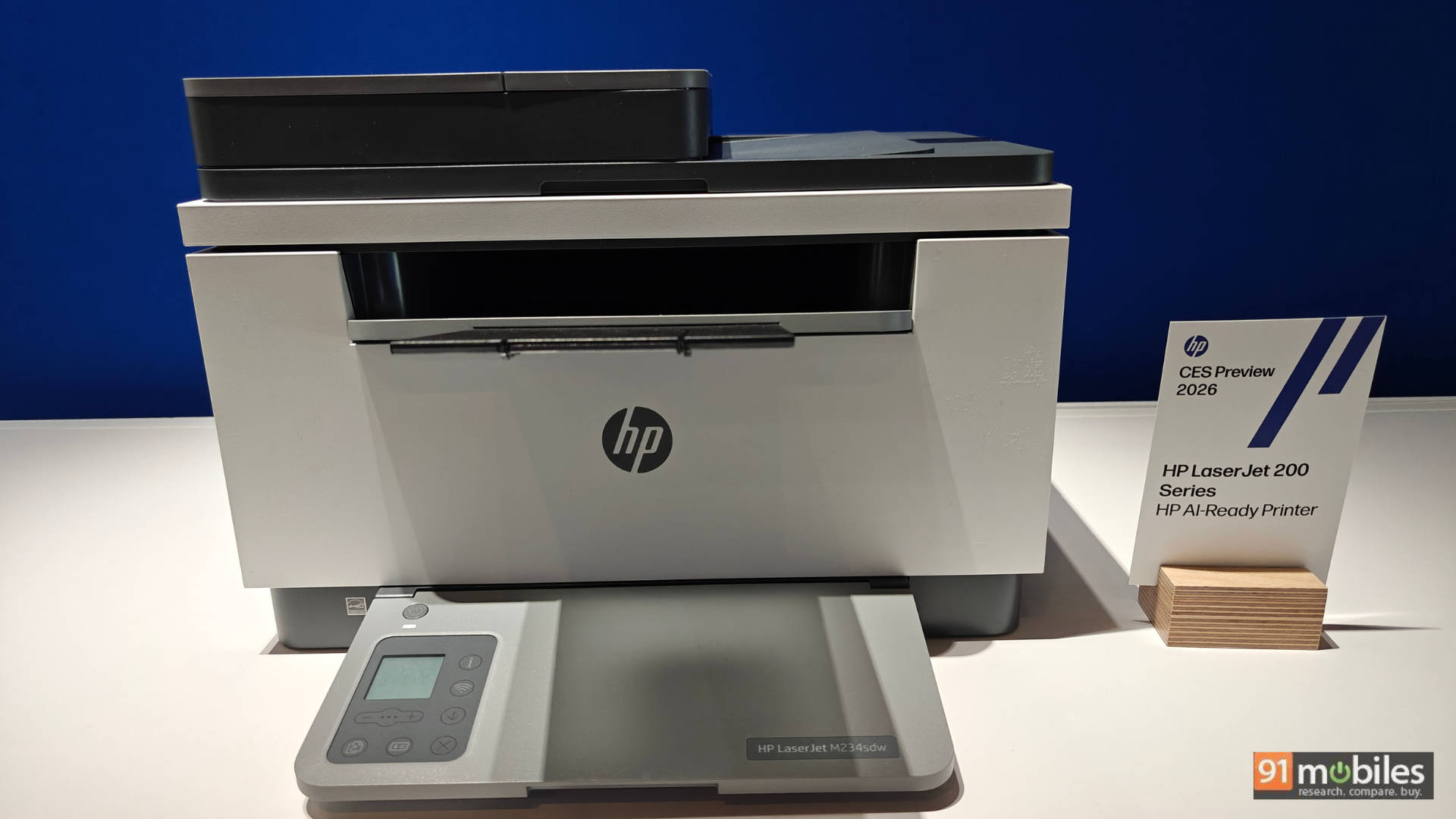
Within a couple of years, AI has become a useful ally in one’s life rather than just a buzzword. And HP has been among the earlier proponents of the same by partnering with Microsoft for introducing Copilot+ PCs. Now, HP is taking it several notches up. It showcased HP for Microsoft 365 Copilot integration for next-gen HP printers. Whether it’s printing or scanning properly, you can outsource these actions to the Copilot rather than fiddling around on your computer before the print command.
Examples include redacting personal details before printing, getting the summary of the documents, and so on. Of course, Copilot will ensure precise scanning and printing as well.
Chargers, the size of the palm
I’ve been saving the best for last. And I’m sure that this small change will have the biggest impact. I’m talking about the big, bulky chargers for one’s laptops. Thanks to HP’s move towards GaN chargers, those heavyweight adapters could soon be a thing of the past.
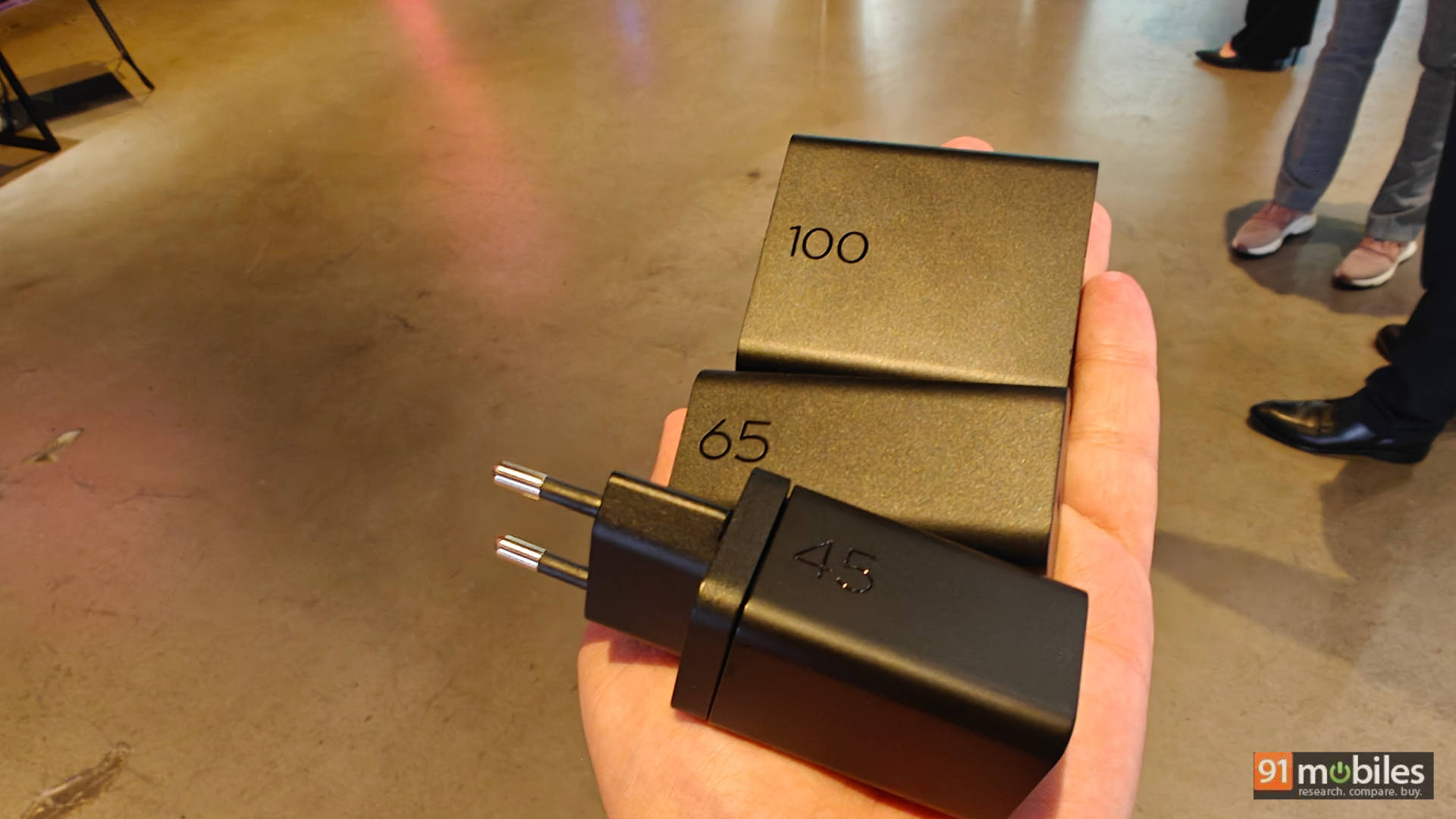
HP is now offering an optional GaN charger with all its 2026 laptops, available from 45W to 100W for the OmniBook and EliteBook series (and the HyperX OMEN MAX 16 has a GaN charger with 460W power).
HP’s approach also plays out against rivals like Lenovo, ASUS and Dell, which are pushing hybrid work-and-creator laptops through Yoga, ProArt, ROG and XPS lines. What sets HP apart is the breadth of its push spanning sustainability, repairability, AI features and concepts like the EliteBoard G1a, not just raw performance. Even details like the shift to compact GaN chargers stand out, as most brands still ship bulky power adapters. Together, this suggests HP is competing as much on everyday usability and design philosophy as on specs alone.
Disclaimer: The writer attended HP @ CES Preview Event in New York in December. The opinions expressed in this article are entirely personal and remain independent of any brand influence.