Your next smartphone could cost more in 2027, and RAM may not be the only reason


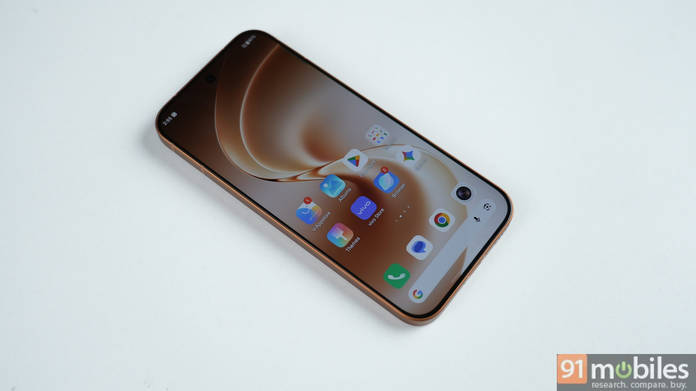
Smartphone buyers have already had to contend with higher prices this year as the AI boom puts pressure on memory supplies. Now, another component could add to manufacturers’ costs. Samsung Display is reportedly planning to increase OLED panel prices by USD 10 – USD 20 (around Rs 1,000 to Rs 1,900) in 2027, although it remains unclear whether the proposed hike applies to only smartphone displays. If it does, phone makers could face another round of cost increases just as they try to manage an ongoing memory shortage.
Samsung OLED panels could become more expensive in 2027
According to Chinese supply chain source ChannelGate, Samsung Display has informed its partners that OLED panel supply prices could increase by around USD 10 – USD 20 next year. As reported by ITHome, the proposed hike is reportedly not driven by higher manufacturing costs. Instead, Samsung wants to regain control over OLED pricing, which it considers “chaotic” amid aggressive price competition.
Show Full Article
Tipster Digital Chat Station has also pointed to shortages of OLED driver ICs, which control how pixels are activated on a display. These shortages could make the cost pressure more pronounced in 2027, with some smartphone manufacturers reportedly stocking up on panels to protect themselves against potential price increases.
There is an important caveat, however. Samsung Display hasn’t confirmed the reported hike, and the original report doesn’t specify which OLED panels are affected. Display industry publication OLED-Info has suggested that the report could actually concern QD-OLED monitor panels, where Samsung and LG have a more concentrated supplier base. It would therefore be premature to treat this as a confirmed price increase for smartphone displays.
However, Samsung Display isn’t the only company supplying OLED panels to smartphone manufacturers. South Korea’s LG Display and Chinese manufacturers such as BOE, TCL CSOT, Tianma and Visionox are competing for orders, giving brands alternatives when negotiating panel prices.
According to UBI Research’s Q3 2026 shipment analysis, Samsung Display accounted for 46.9 percent of global smartphone and foldable OLED panel shipments. Chinese manufacturers collectively held 41.3 percent, while LG Display accounted for 11.8 percent. BOE was the largest Chinese supplier, shipping 29.85 million panels during the quarter, followed by Tianma, Visionox and TCL CSOT.
This competition could limit Samsung’s pricing power, particularly as Chinese suppliers expand their OLED manufacturing capabilities. However, manufacturers cannot simply replace one supplier with another. Panel quality, brightness, refresh rates, power efficiency and production capacity all matter, especially for premium phones. Brands may also need to qualify alternative panels for individual devices before using them.
RAM shortage could continue until 2029 or 2030
The potential display cost increase comes amid an already difficult component supply situation. Rising demand for AI data centres has diverted memory production towards high-bandwidth memory (HBM) and server DRAM, leaving less capacity available for consumer electronics. Deloitte expects the memory shortage to persist until 2029 or 2030, as additional manufacturing capacity will take time to come online. The impact is already visible in smartphone pricing. Counterpoint Research estimates that smartphone retail prices increased by 15 percent globally in 2026, with India recording a steeper 21 percent rise. Manufacturers have responded with price increases, fewer discounts and compromises on specifications, including memory and storage configurations.
For consumers, another round of component-driven price increases could make upgrading less attractive, especially for those buying in the budget and mid-range segments. Those whose existing phones still meet their needs may want to delay an upgrade. Buyers who need a new device can also consider previous-generation flagships or certified refurbished models instead of paying a premium for the latest launches.