Review Summary
Expert Rating
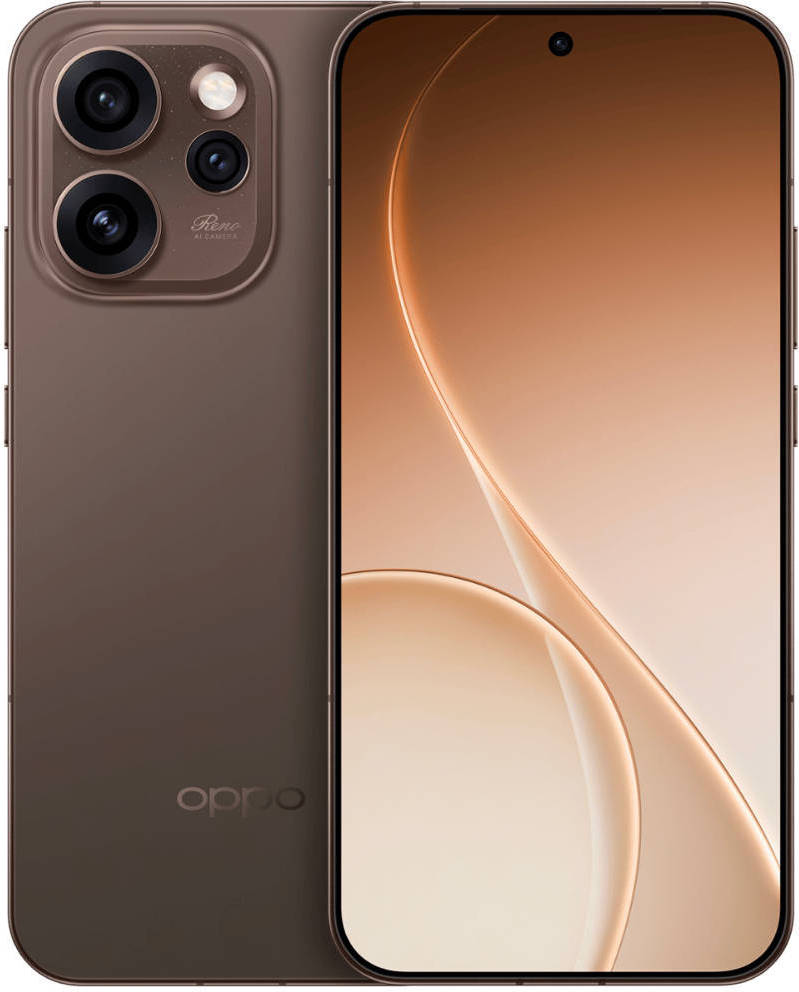
The OPPO Reno15 series launched in India a while ago, with the hero device being the new Reno15 Pro Mini (review). It retained most of the Reno15 Pro’s key features but in a compact form factor, making it an impressive offering at its price. While it may have garnered the most interest, I’m focusing on the OPPO Reno15 Pro instead, which costs roughly Rs 8,000 more than the Pro Mini at Rs 67,999.
This puts it right in the range of premium flagships over Rs 70,000 and lands it in a very tricky price point. In this review, I’ll share my thoughts on the phone’s performance, cameras, and whether it delivers enough value to justify its pricing.
Table of Contents
The cameras are the best part
The OPPO Reno series has always been well regarded for its camera system, and that doesn’t change much with the latest Reno15 series either. This time around, the Reno15 Pro features an upgraded 200MP primary camera, a 50MP telephoto lens, a 50MP ultrawide camera, and finally a 50MP selfie camera with a wide 100-degree field of view. That’s an impressive setup, no doubt, and it performs like a flagship.
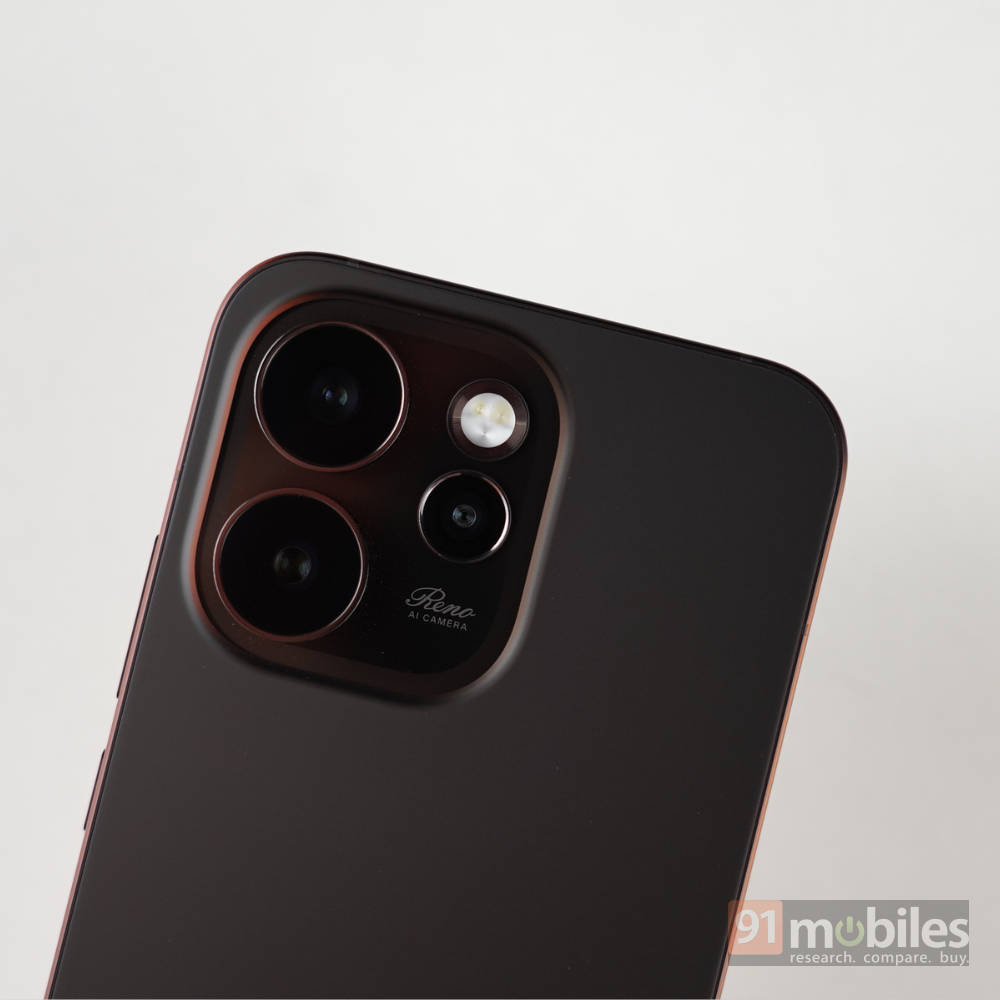
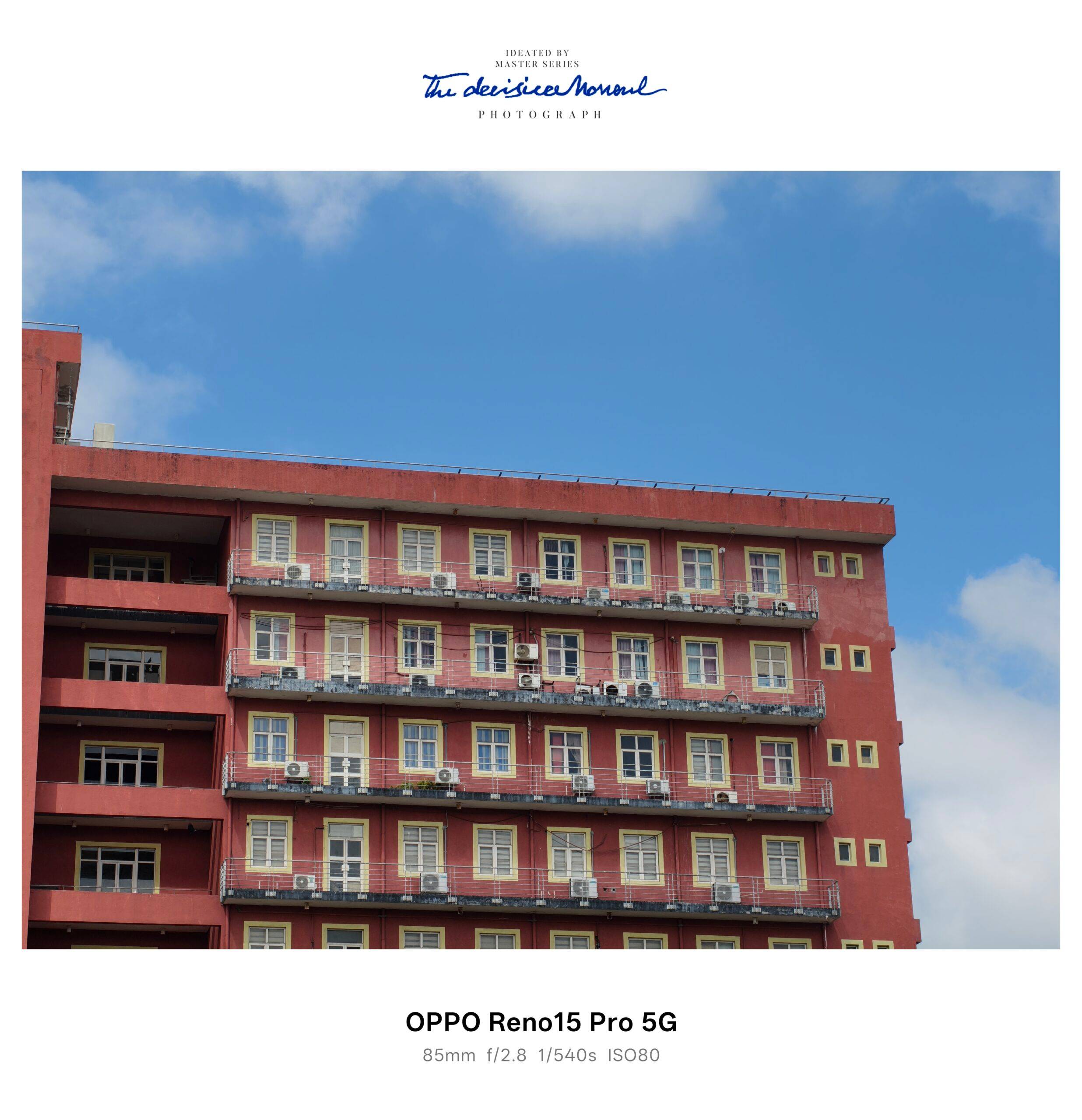
The primary camera captures some good, punchy images with decent detail and clarity. In high-resolution mode, you can capture images that you can later crop into multiple shots while preserving detail and clarity. The ultrawide camera, in my opinion, is the weakest lens here and is quite inconsistent at preserving colour science. The colours can sometimes shift significantly compared to the primary lens, making the scene look entirely different.
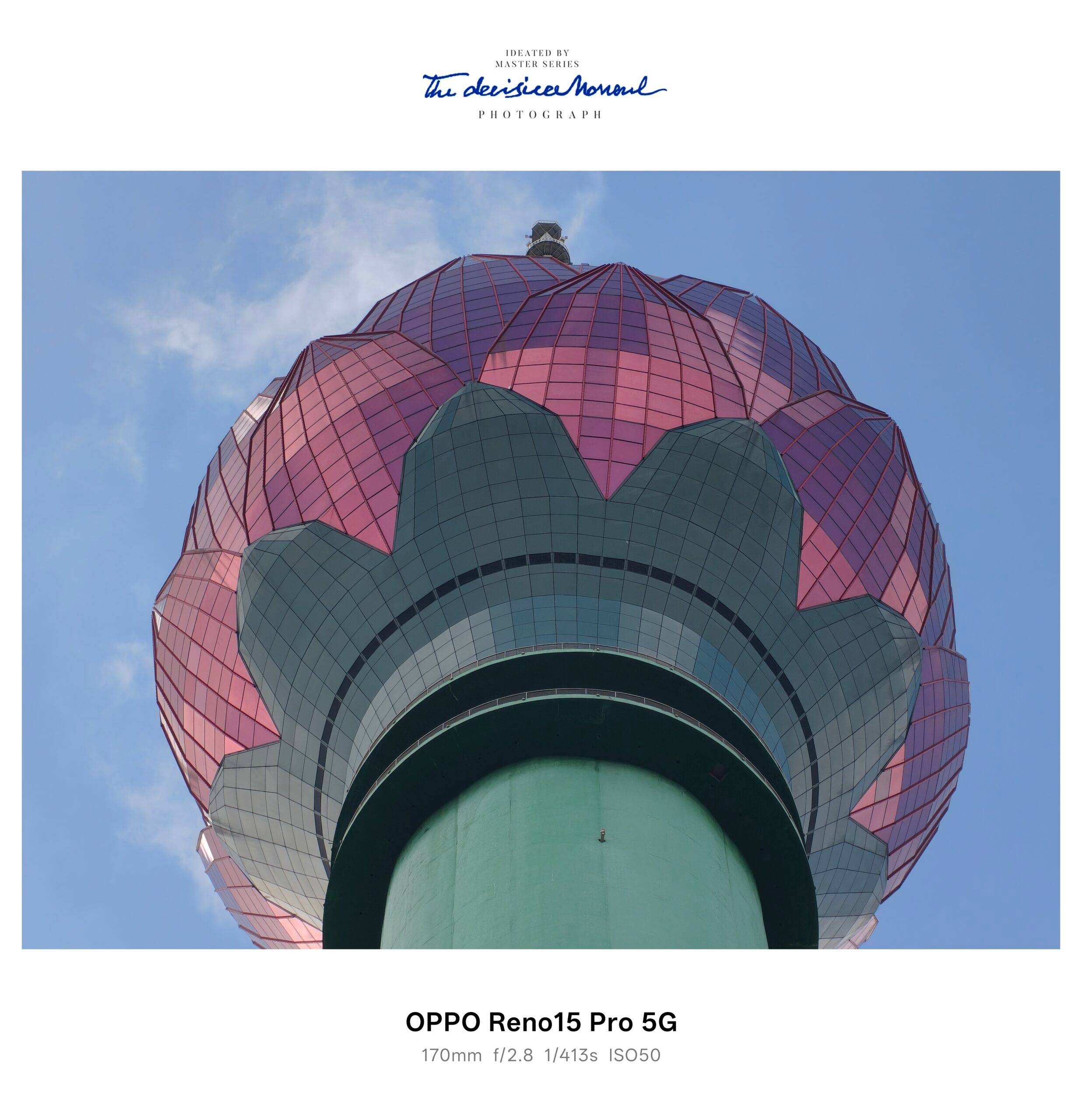
In my experience, the telephoto lens works well in good lighting. The images turn out detailed, and the colours get slightly boosted to make the shots appear vibrant. The problems arise in low-light conditions, when details often appear blurry and human subjects look slightly flat. Low-light performance is generally pretty good, with good lens flare correction and decently rendered colours.




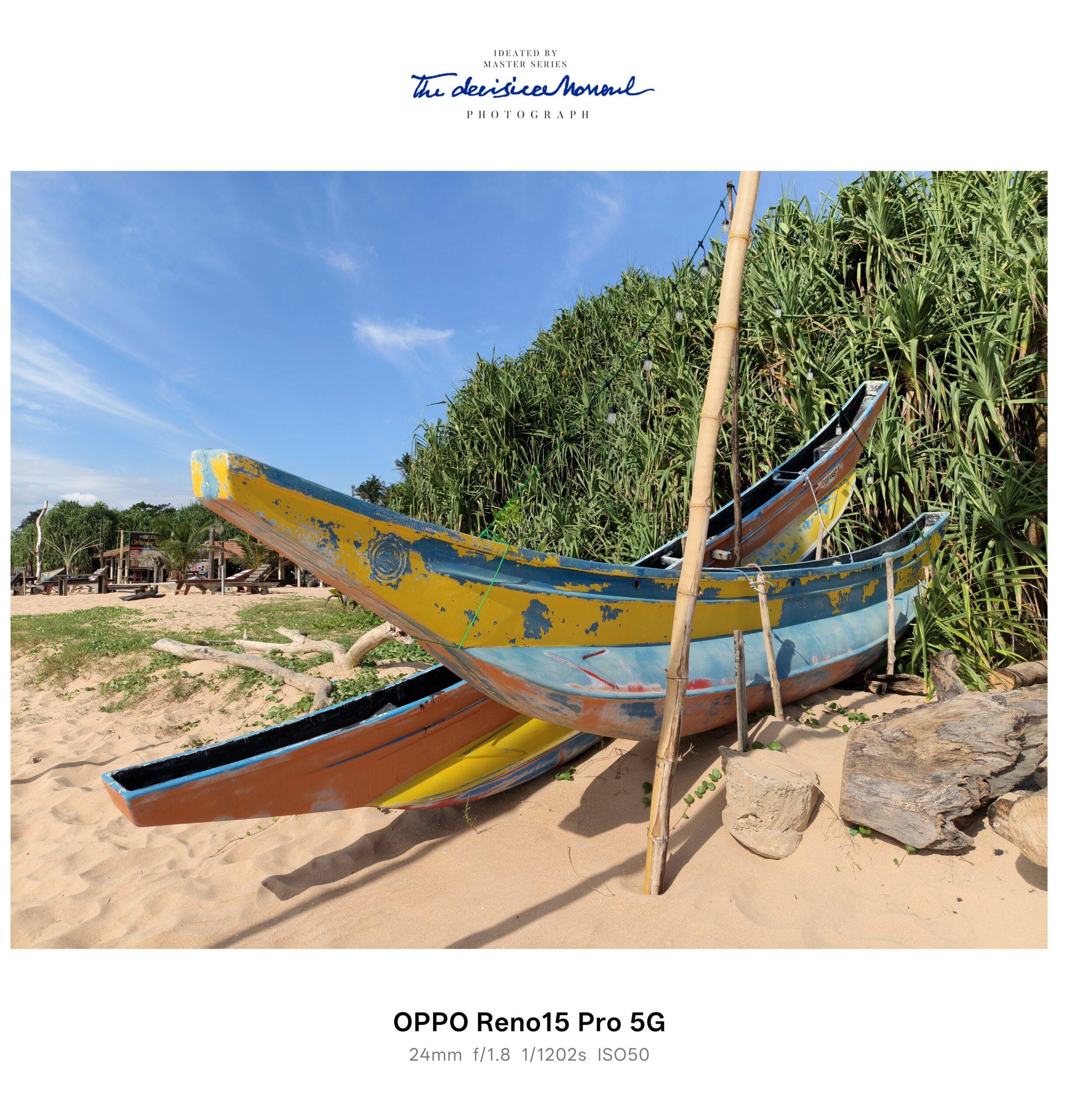
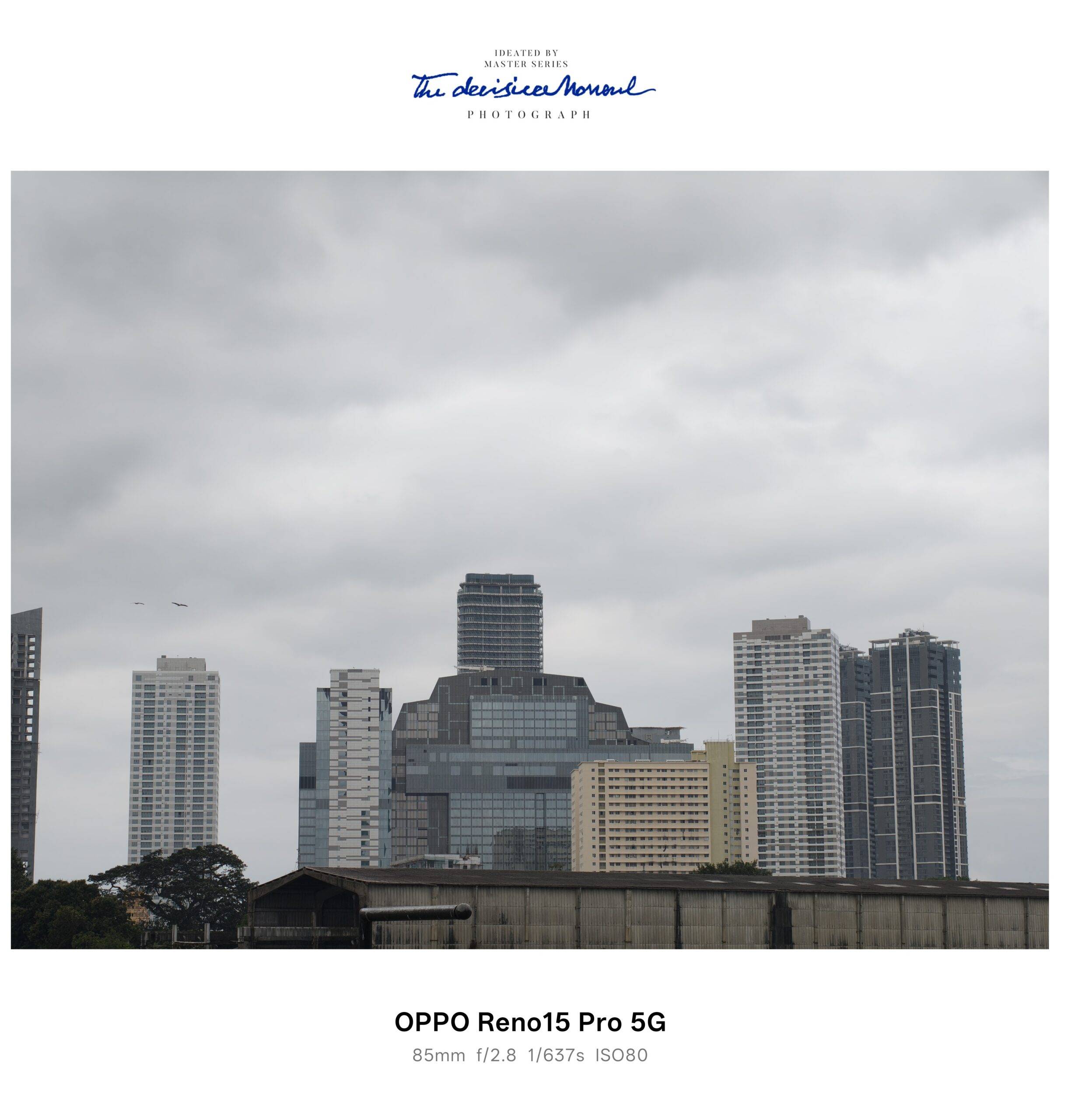
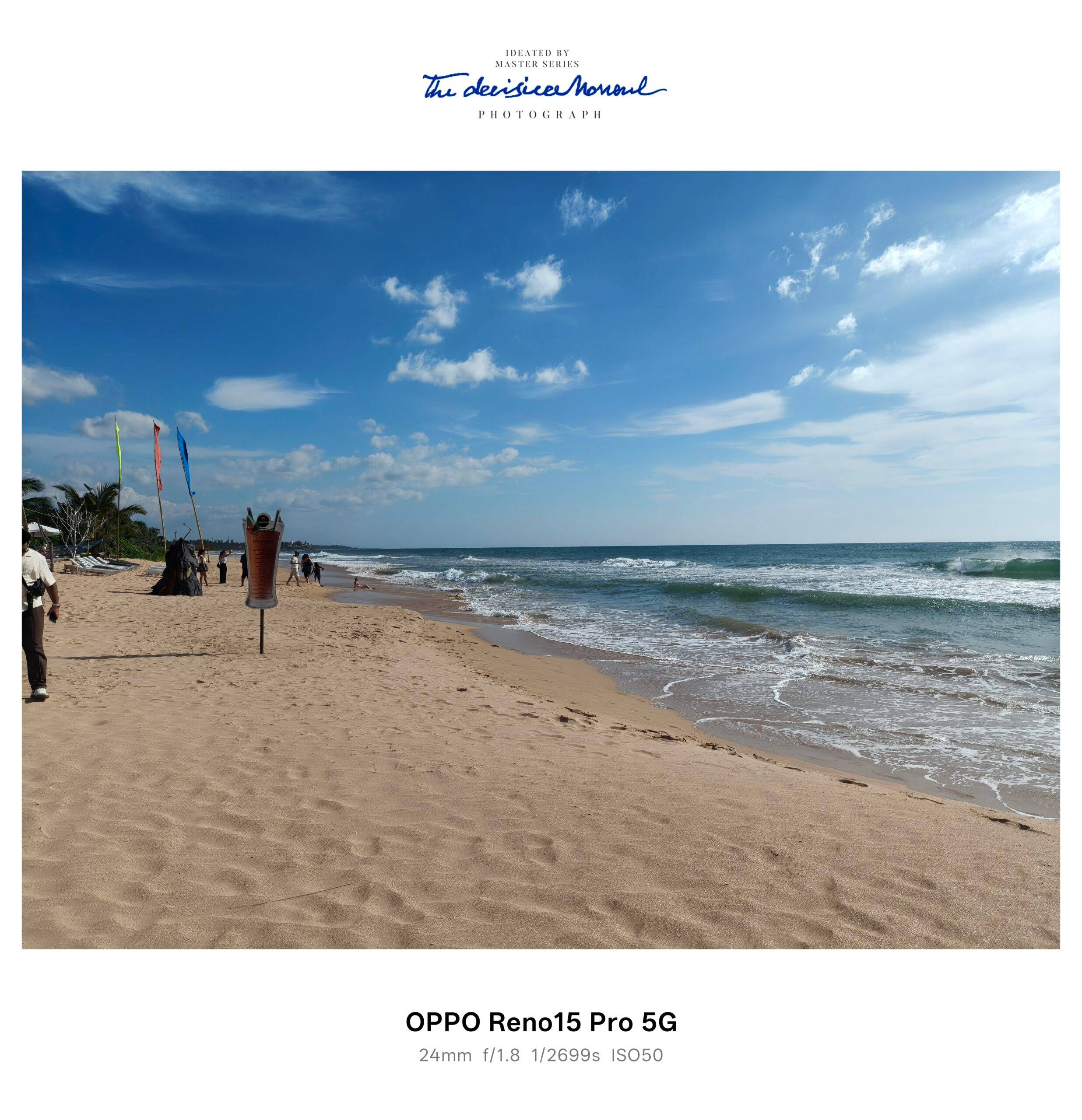
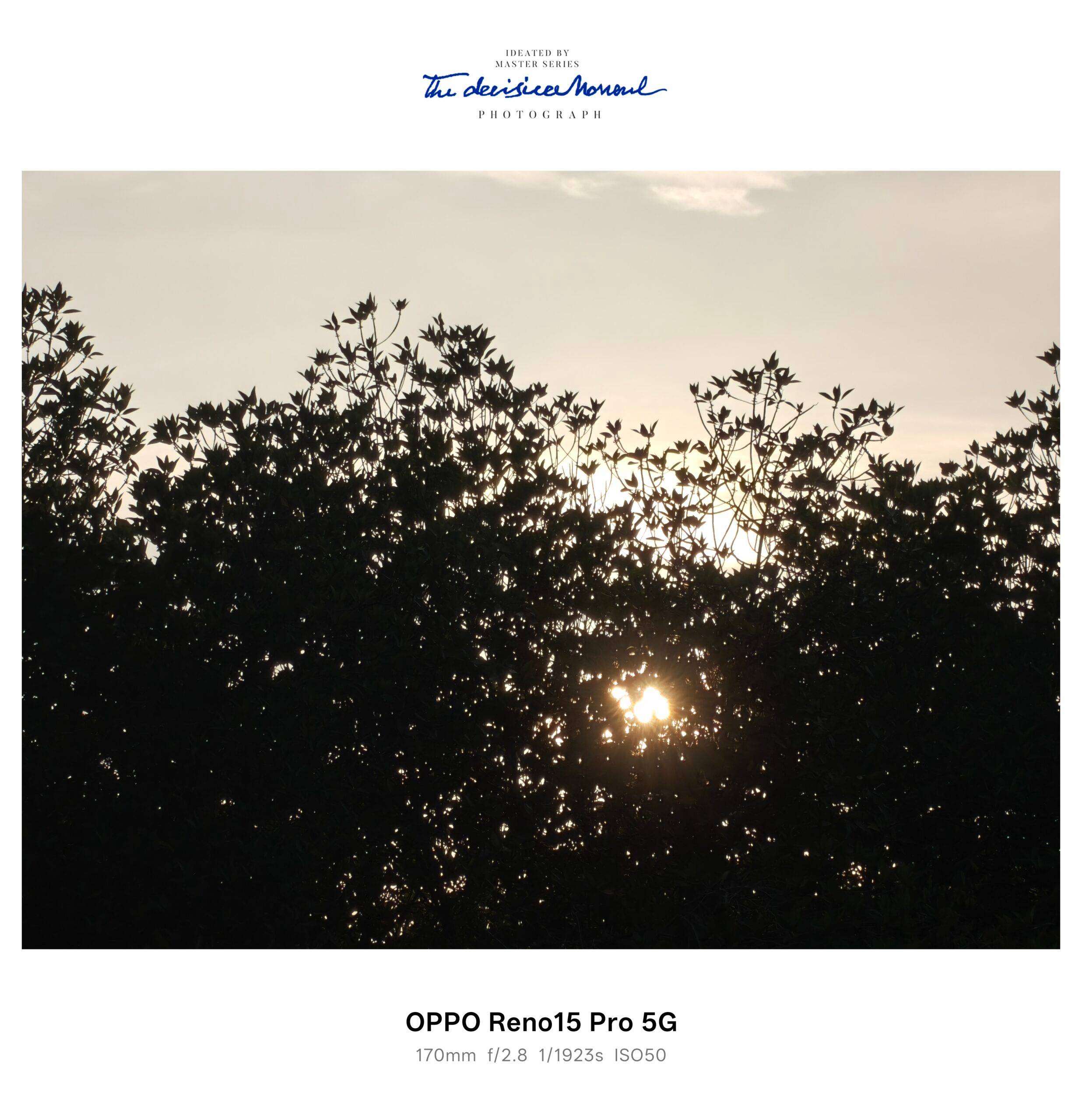
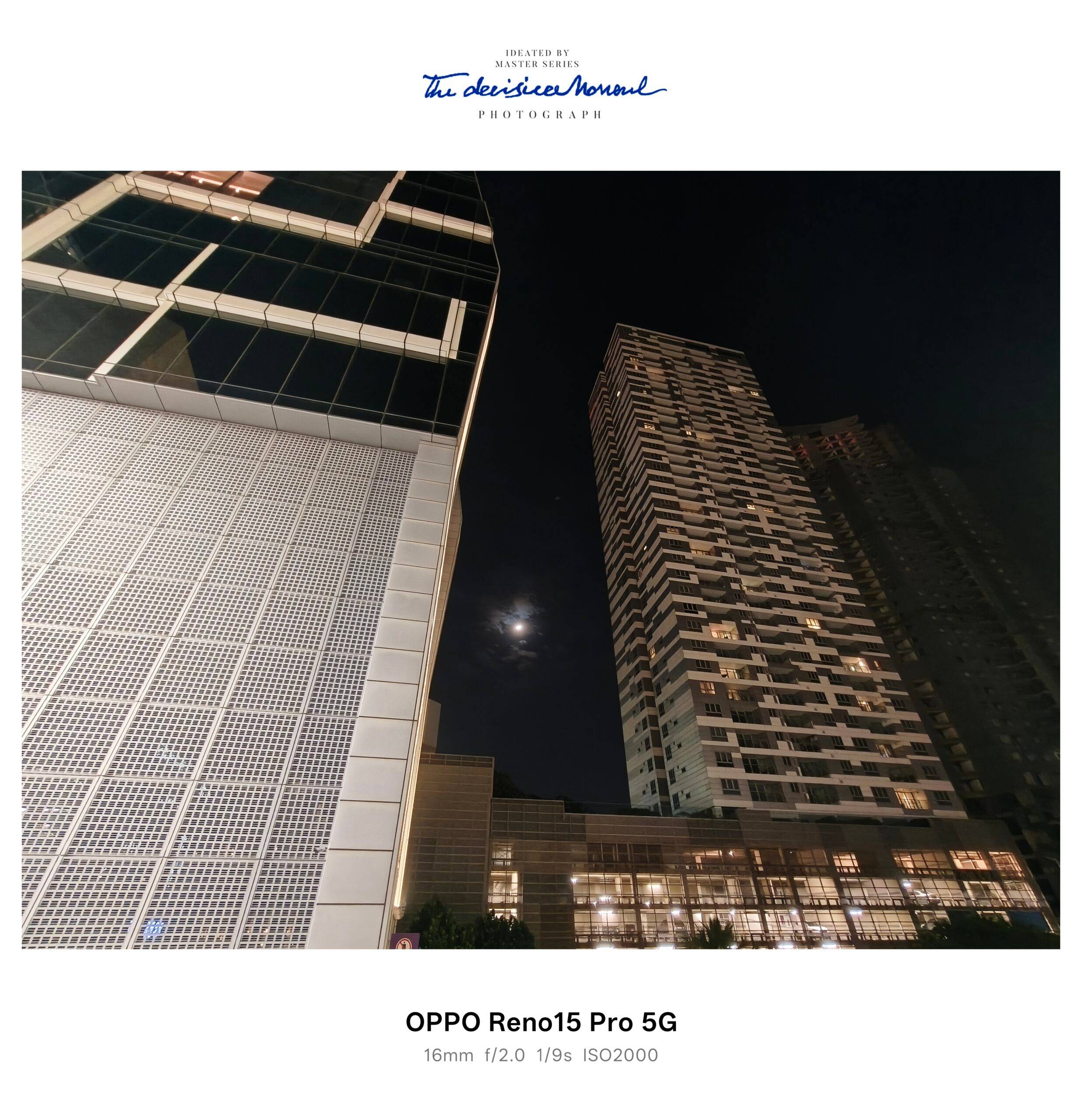


Selfies on this camera turn out fantastic, and you can capture a pretty wide frame given the high field of view. In daylight, the detail level stays pretty good, and the colours turn out fine.
I compared the Reno15 Pro against the flagship Realme GT 8 Pro (review) to see how it performs against a phone in proper flagship territory. Check it out below:
Daylight
In daylight, both phones perform well, but the Realme GT 8 Pro has a key advantage thanks to its colour science. While the Reno15 Pro makes the scene look much brighter, the GT 8 Pro stays true to its authenticity and nails colour accuracy across nearly all elements. In terms of details, too, the GT 8 Pro is a smidge ahead. The only metric where Reno15 Pro is superior is the dynamic range.


Ultrawide
In this scenario, the GT 8 Pro takes a step ahead once more. Its ultrawide shot looks very consistent with the regular shot, unlike the Reno15 Pro. In the latter’s daylight image, you’ll note that the contrast is very aggressive and the colours appear a lot duller. Even in details, the GT 8 Pro maintains a slight lead over its peer.


Portrait
For portrait shots, we took the photos at each phone’s stated optical length. That is 3.5x zoom for the Reno15 Pro and 3x for the Realme GT 8 Pro. The latter continues to stay ahead of its competitor in terms of colour science. The subject’s skin tone, clothes and the background all have realistic colours. On the other hand, the Reno15 Pro adds a slight red hue to the subject’s skin. In terms of details and sharpness, the Reno15 Pro is actually the better of the two and preserves them better.


Selfie
The selfie cameras on both phones perform quite similarly to the telephoto lenses. The Realme GT 8 Pro does colours better, but in terms of details and sharpness, it is a step behind the Reno15 Pro.


Low light
In low-light conditions and with night mode enabled, both phones produce similar-looking images at first glance. The Realme GT 8 Pro continues to render colours as close to the actual scene, while the Reno15 Pro enhances them slightly. When it comes to handling lens flares and ambient light, the GT 8 Pro is a lot better than its peers. Even in details and noise levels, the GT 8 Pro manages these aspects better than the Reno15 Pro.


Display and design
When it comes to design, the Reno15 Pro is quite different from both the Reno15 and Reno15 Pro Mini. While both smaller phones have a similar Glacier White variant, the Reno15 Pro opts for a more subtle design, with a matte rear panel in two colours: Sunset Gold and Cocoa Brown.
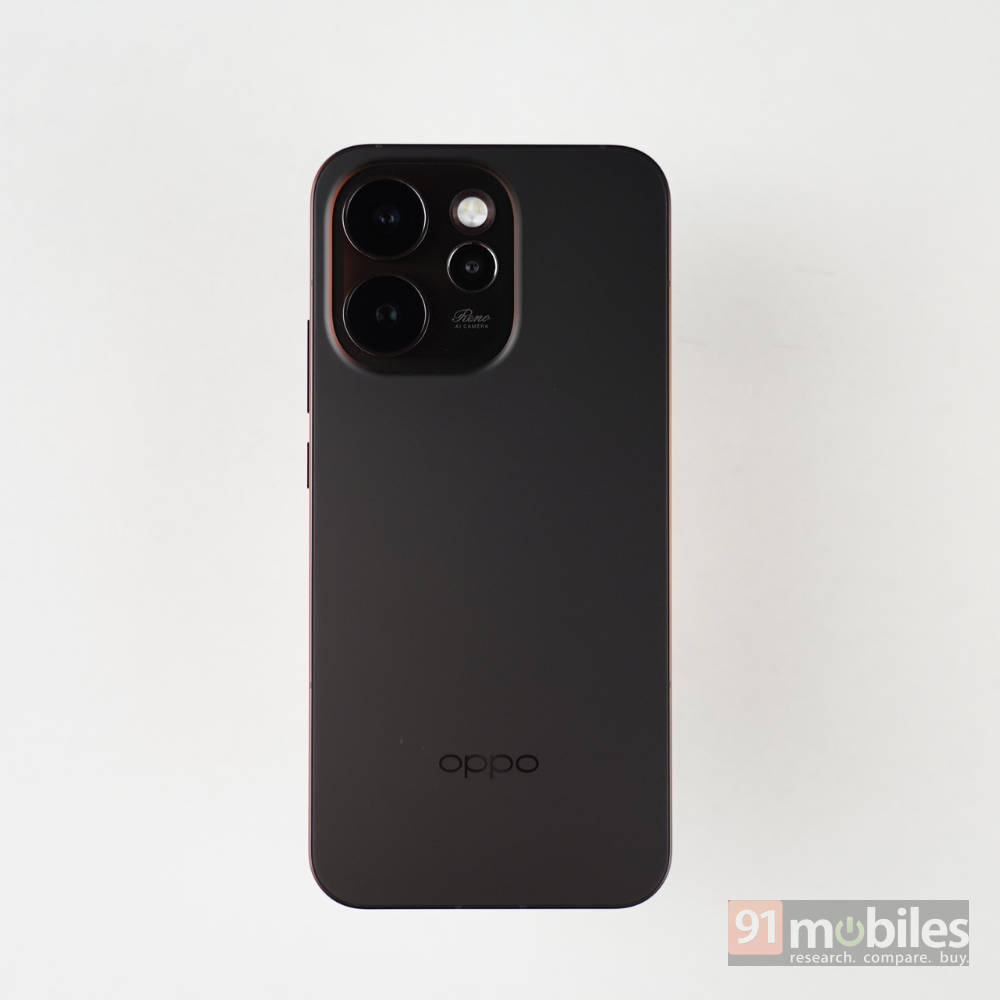
The rear panel does a great job of minimising fingerprints and scratches and has a robust build quality with IP66, IP68, IP69 water resistance and Gorilla Glass Victus 2 protection, so you can rest assured about its durability.
| Smartphone | Thickness | Weight | IP Rating |
| OPPO Reno15 Pro | 7.65 mm | 205 grams | IP68 +IP66 +IP69 |
| OnePlus 15 | 8.1 mm | 211 grams | IP68 +IP66 +IP69K +IP69 |
| realme GT 8 Pro | 8.2 mm | 214 grams | IP68 |
| Motorola Signature | 6.99 mm | 186 grams | IP68 +IP69 |
On the display front, not much has changed from its predecessor. The phone still carries a 6.78-inch LTPO AMOLED panel with an FHD+ resolution (2772 × 1272p), a 120Hz refresh rate, and a wide 100 percent DCI-P3 colour gamut. For regular users, however, you won’t notice much of a difference compared to other traditional flagship displays. Watching OTT content on this device was generally satisfactory, both in terms of visuals and audio.
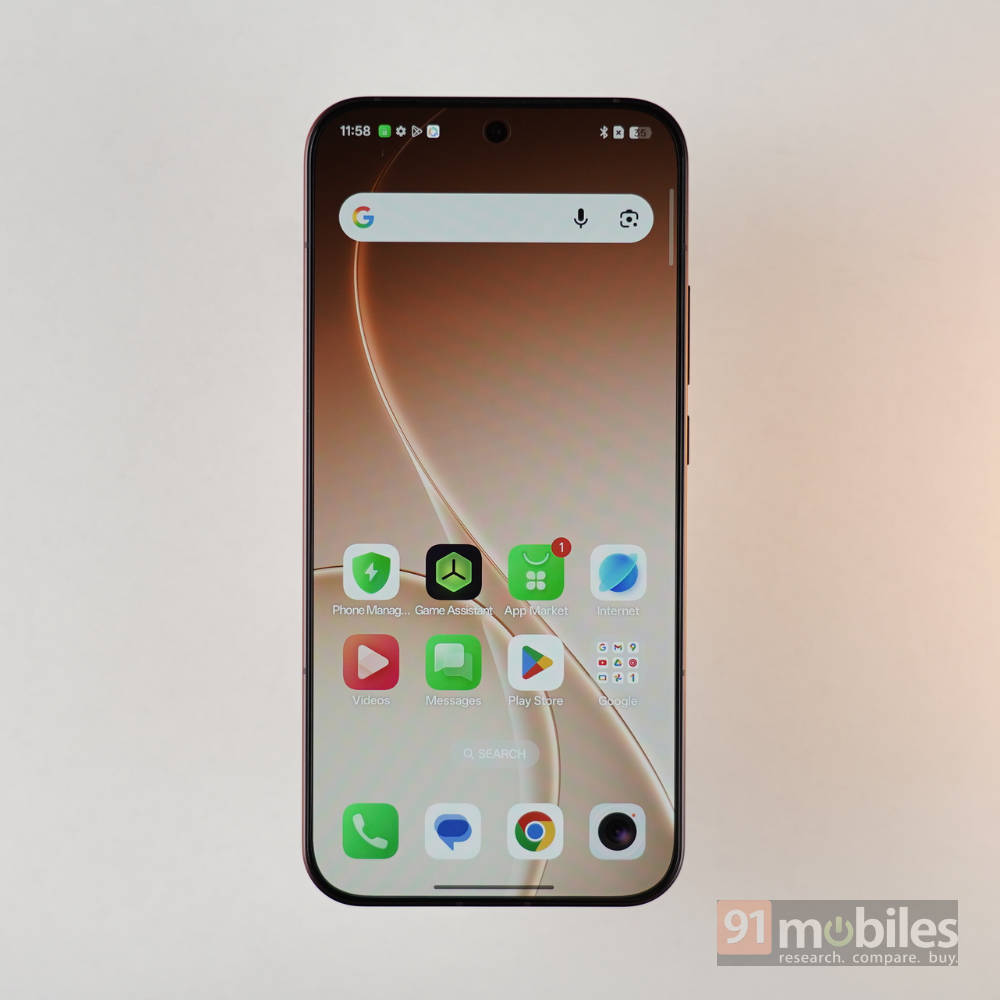
The bezels around the display are extremely thin, enhancing immersion and making the phone look very premium. Another thing I really like about this display is that it gets pretty bright thanks to 1800 nits of high-brightness mode. The panel’s durability is on point as well, as it comes with Corning Gorilla Glass+ protection.
| Smartphone | Display | Peak Brightness |
| OPPO Reno15 Pro | 6.78 inches - LTPO AMOLED | 3600 nits |
| OnePlus 15 | 6.78 inches - LTPO AMOLED | 3600 nits |
| realme GT 8 Pro | 6.79 inches - AMOLED | 7000 nits |
| Motorola Signature | 6.8 inches - AMOLED | 6200 nits |
Performance and Software
The Reno15 Pro’s performance is probably the weakest link. It uses the same Dimensity 8450 chipset that powered the Reno14 Pro and comes with LPDDR5X RAM and UFS 3.1 storage.




Those are two underwhelming aspects in my books, especially given the price this phone launches at. Now there are certainly some factors at play, like the global memory shortage, but at this price point, it doesn’t make sense to opt for middling hardware.
Performance is sufficient for day-to-day use, as it’s a decently powerful chip, but given the price segment, it sits a notch below competitors. An older 9000-series Dimensity chipset would have better justified the value here, in my opinion. You’ll note that it falls behind its peers on most benchmarks.
In terms of gaming and sustained performance, the Reno15 Pro does a good job. Gaming sessions run smoothly, and the phone maintains a good thermal profile even during longer play sessions. In our testing, over an hour of continuous gaming pushed the average temperature up by around 5 degrees Celsius, which is a good result and shows efficient thermal management.
Coming to the software, you get ColorOS 16 out of the box, and it has quickly become one of my favourite operating systems. The UI feels extremely fluid, smooth, and well-optimised. The apps open swiftly, the phone manages background processes well, and there are plenty of options to customise your UI.
| Smartphone | Pre-Installed Apps | Software Support |
| OPPO Reno15 Pro | 64 | 5 Years OS Updates + 6 Years Security Updates |
| OnePlus 15 | 53 | 4 Year OS Updates + 6 Year Security Updates |
| realme GT 8 Pro | 59 | 4 Year OS Updates + 5 Year Security Updates |
| Motorola Signature | 38 | 7 Years OS Updates + 7 Years Security Updates |
However, the phone comes with a bunch of third-party apps, app suggestions, and specific folder suggestions, all after the first boot. You can uninstall most of the stuff rather easily, but you shouldn’t have to, especially at this price point. Another plus is that the brand promises 5 years of OS updates and 6 years of security patches, so the phone will remain up to date for years to come.
Battery life and charging
The Reno15 Pro features a 6,500mAh battery, 80W fast charging, and 50W wireless charging. In our PCMark battery benchmark, the phone’s results were pretty underwhelming, but in real-world use, that hasn’t been the case for me.
The device lasts well beyond a day, even during heavy use, and manages battery life effectively. For most users, the battery life is one of the strongest aspects of this smartphone.
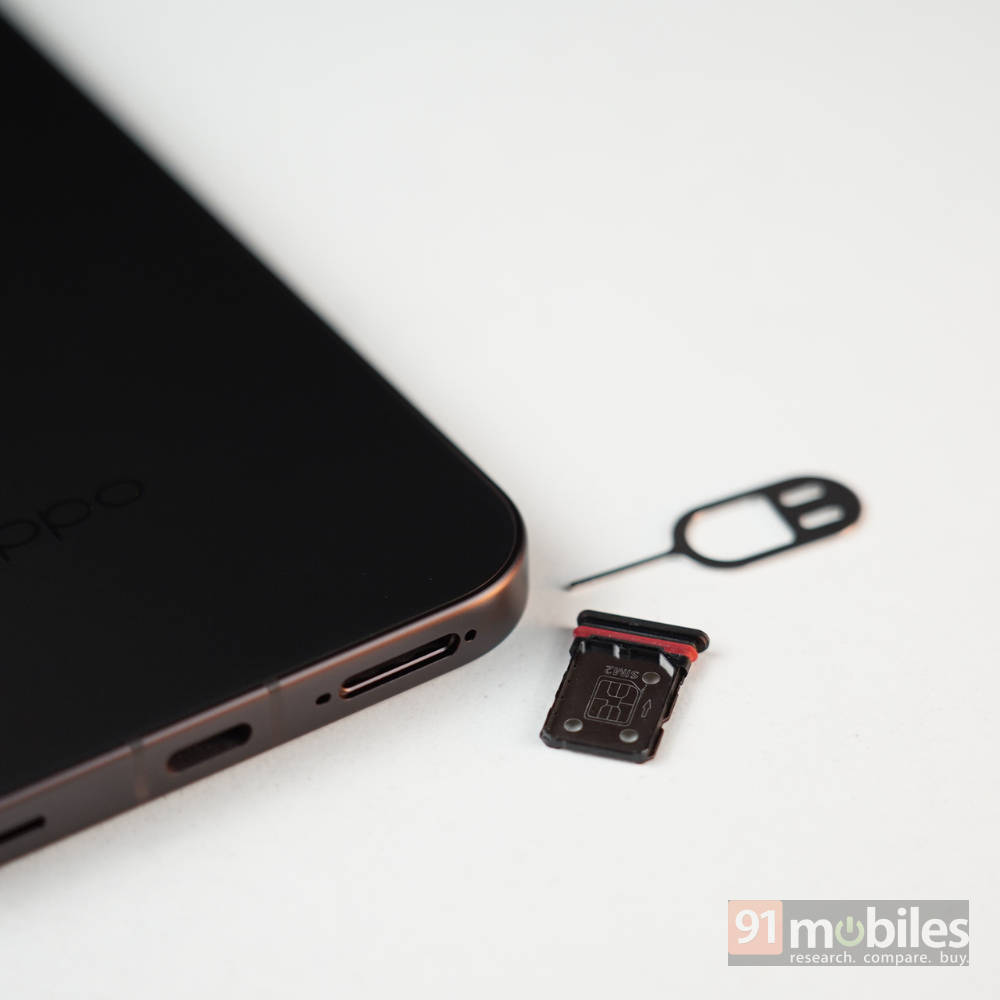
It will also be comparatively more power-efficient than rival flagships since the chipset as a whole won’t draw as much power, so efficiency is great here. In terms of charging speed, the 80W charger comes bundled in the box and takes just about an hour to recharge the device from 20 to 100 percent.
| Smartphone | Battery Capacity | Charging Support | Charging time (20% to 100% ) |
| OPPO Reno15 Pro | 6500 mAh | 80W Super Charging | 57m |
| OnePlus 15 | 7300 mAh | 120W Super VOOC Charging | 30m |
| realme GT 8 Pro | 7000 mAh | 120W Super VOOC Charging v3.0 | 39m |
| Motorola Signature | 5200 mAh | 90W Turbo Charging | 38m |
The charging time seems a bit high, but given the battery size, you won’t need to charge too frequently, so the trade-off isn’t huge.
Final Verdict
The OPPO Reno15 Pro is a premium device for sure, but its pricing puts it in a very tricky spot, competing with both full-flagship and sub-flagship devices with similar hardware. If it were priced slightly lower, it would be more competitive. You get decent performance output, a great 200MP camera system, decent battery life, and a strong, durable build. The long-term software support is also something that’s on-par with flagship offerings. But does the phone truly match flagship expectations? In my opinion, it falls short in a few areas.
It doesn’t have as impressive a battery or display as a proper flagship; its cameras fall slightly behind the phones priced over Rs 70,000; and it doesn’t really offer top-end performance either. Even its own sibling, the Reno15 Pro Mini (review), offers better value while being slightly more affordable.
The Reno15 Pro presents a challenging decision at this price. If you opt for a more affordable device, you have good options such as the Vivo 200T (review), the Motorola Signature (review), or even the Reno15 Pro Mini. If you stretch slightly north of Rs 70,000, you get excellent options like the OnePlus 15 (review), Vivo X300 (review), or OPPO Find X9 (review), to name a few. While the Reno15 Pro delivers satisfactory value in several areas, it struggles to fully justify its price given the competition on both sides.
Editor’s Rating: 8/10
Reasons to buy:
- The phone has a premium build quality with excellent IP ratings
- The camera system delivers impressive image quality in most conditions
- The battery easily lasts over a day and tops up quickly
- The device comes with long-term software support
Reasons not to buy:
- The performance isn’t great for the price, and UFS 3.1 storage
- A lot of pre-installed apps out of the box
- Slightly pricey for what it offers