Google Pixel 12 Pro Fold could use the same crease-less display tech as Apple’s iPhone Ultra


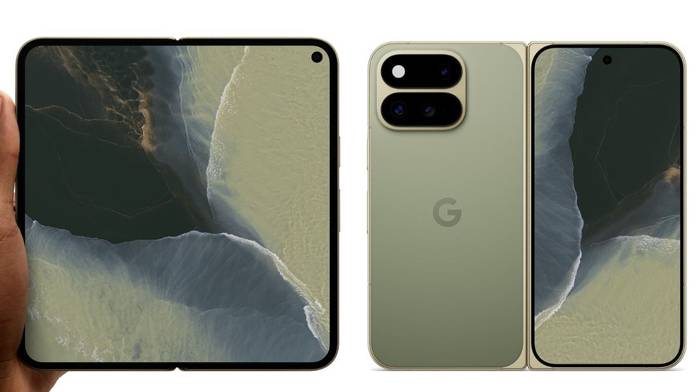
Google’s latest foldable, the Pixel 11 Pro Fold, has barely arrived, but its successor is already shaping up to fix one of the Fold’s most visible shortcomings. The Pixel 12 Pro Fold is reportedly being developed with a dual-UTG display that could make the inner crease far less noticeable, following the same display construction reportedly planned for Apple’s first foldable iPhone, which launches next week.
The change would also bring Google closer to rivals such as OPPO and Samsung, which have been putting more emphasis on reducing the crease in their premium foldables.
Pixel 12 Pro Fold could be crease-less
According to a report from The Elec, Google, OPPO and Vivo are working with Samsung Display on next-generation foldable panels using a dual ultra-thin glass, or UTG, structure. Apple’s first foldable iPhone is reportedly set to use the same basic construction when it arrives next week. The design places one UTG layer above the OLED panel and another underneath it. The lower layer provides additional support and helps distribute the stress created when the screen folds. The goal is to reduce deformation around the hinge and make the crease less visible.
Show Full Article
That is particularly relevant for Google. The newly launched Pixel 11 Pro Fold already has a larger bend radius and thicker glass layer intended to improve crease performance, but early reviews suggest the improvement still leaves it behind some rivals. Google’s official specifications confirm that its inner 8-inch display uses UTG and runs at up to 120Hz.
Samsung is taking a different structural route with its latest foldables. Its Flex Titanium technology uses a titanium-alloy film and flexible titanium plate beneath the OLED panel to support the display while reducing crease visibility. The development reflects a wider industry push to make foldable screens look more like conventional displays, with different manufacturers experimenting with their own solutions.
The Pixel 11 Pro Fold has already moved forward with a thinner, lighter design, improved durability and a less prominent crease, but the display remains an area where competitors have made bigger strides. If the Pixel 12 Pro Fold adopts dual UTG as reported, Google would be following a technology that Apple is expected to use in its first foldable rather than trying to maintain its own separate display solution. That could make the crease much less of a talking point for the next Pixel Fold.
The report puts OPPO and Vivo’s dual-UTG foldables in the first half of 2027, while Google’s next foldable is expected in the second half, likely around August. The current model brings substantial improvements in durability and design, and Google has already improved its crease compared with earlier generations. But if a near-invisible crease is high on your foldable wishlist, the Pixel 12 Pro Fold could be worth watching before committing to Google’s latest model.