Review Summary
Expert Rating
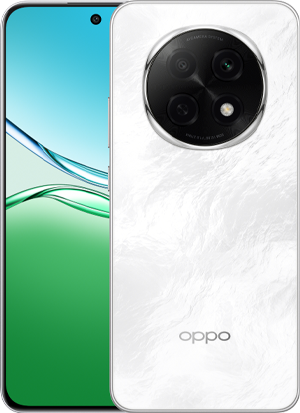
If 2024 was all about OPPO flexing its cutting-edge AI muscles and bringing durable phones to the mainstream, then 2025 is shaping up to be the year it doubles down on both. The recently launched OPPO F29 series sticks to that formula, delivering the same IP69-rated durability and the full OPPO AI suite we’ve seen in previous flagships.
But unlike the premium price tags of the Reno 13 Pro (review) and Find X8 (review) series, the F29 lineup starts at a more pocket-friendly Rs 23,999.
In this review, I’m focusing on the Pro variant (Rs 27,999), which swaps out the Snapdragon 6 Gen 1 (used in the standard model) for MediaTek’s Dimensity 7300 Energy chipset. The Pro model also supports significantly faster charging with the charger in the box. Which one’s the better deal? Let’s find out.
Table of Contents
Verdict
The OPPO F29 Pro is among the few phones in its segment that meaningfully put AI to work. Features like AI Reply make handling emails and messages a breeze, while AI Summary can condense entire web pages in seconds. The 50MP primary camera holds up well across different lighting conditions, though the absence of an ultra-wide sensor might be a deal-breaker for some. OPPO must also consider reducing the number of pre-installed apps to deliver a more intuitive Android experience.
Design and display
The OPPO F29 and F29 Pro are identical in design, but the latter comes in classic white and black finishes. OPPO has leveraged marble and granite-inspired textures to showcase the phone’s durability. It is also reflected in the naming as users can choose between “Marble White” and “Granite Black” colour options.
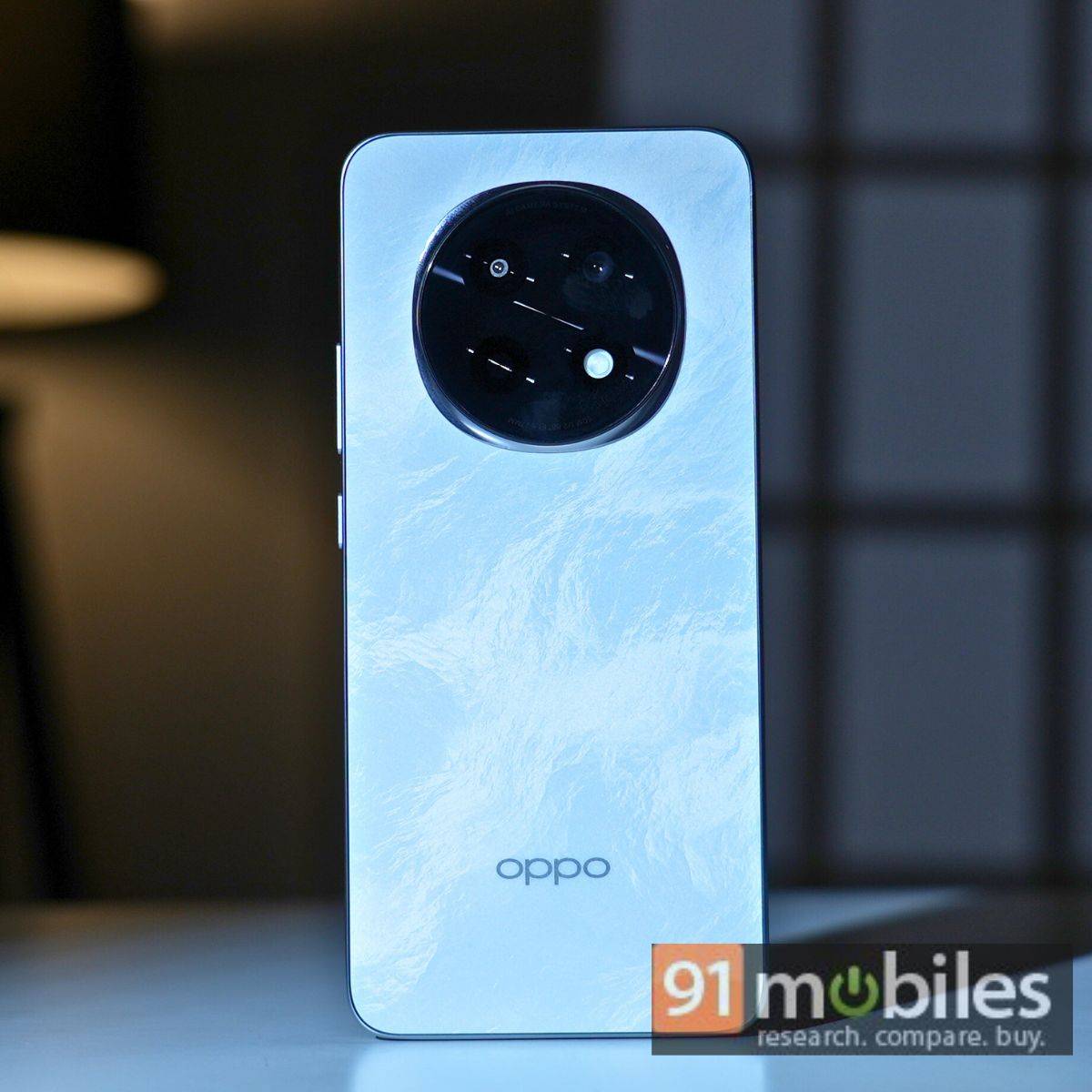
I prefer the white variant with its subtle marble texture, which does a great job of hiding fingerprint smudges. Despite the massive 6,000mAh battery, the F29 Pro still feels incredibly sleek and lightweight. The edges might feel a tad sharp at first, but it’s nothing that gets in the way over time. I also like OPPO’s effort to blend the round camera module into the body, creating a smoother and unified back panel.
| Smartphone | Thickness | Weight | IP Rating |
| OPPO F29 Pro | 7.5mm | 180 grams | IP66 + IP68 + IP69 |
| Nothing Phone 3a Pro | 8.39mm | 211 grams | IP64 |
| iQOO Neo 10R | 7.9mm | 196 grams | IP65 |
As mentioned, the standout design feature of the new OPPO F29 series is its triple IP certifications (IP66, IP68, and IP69), bringing serious durability to the sub-Rs 30,000 segment. While OPPO isn’t the first to introduce smartphones with these ratings, it’s perhaps the only OEM in 2025 offering phones touching various price points with the same durability standards. Moreover, F29 Pro’s top-end IP ratings come combined with Corilla Glass Victus 2 protection for the display, so that users get the best durability from all corners.
Other OEMs will likely challenge this achievement, but it’s great to see OPPO setting the pace.
We also put the F29 Pro through rigorous durability tests, and the results will be live soon on our YouTube channel. Overall, the OPPO F29 Pro is an excellent option for those seeking a highly durable and portable smartphone. I would’ve preferred seeing more colour options, but the existing options will likely appeal to most customers.
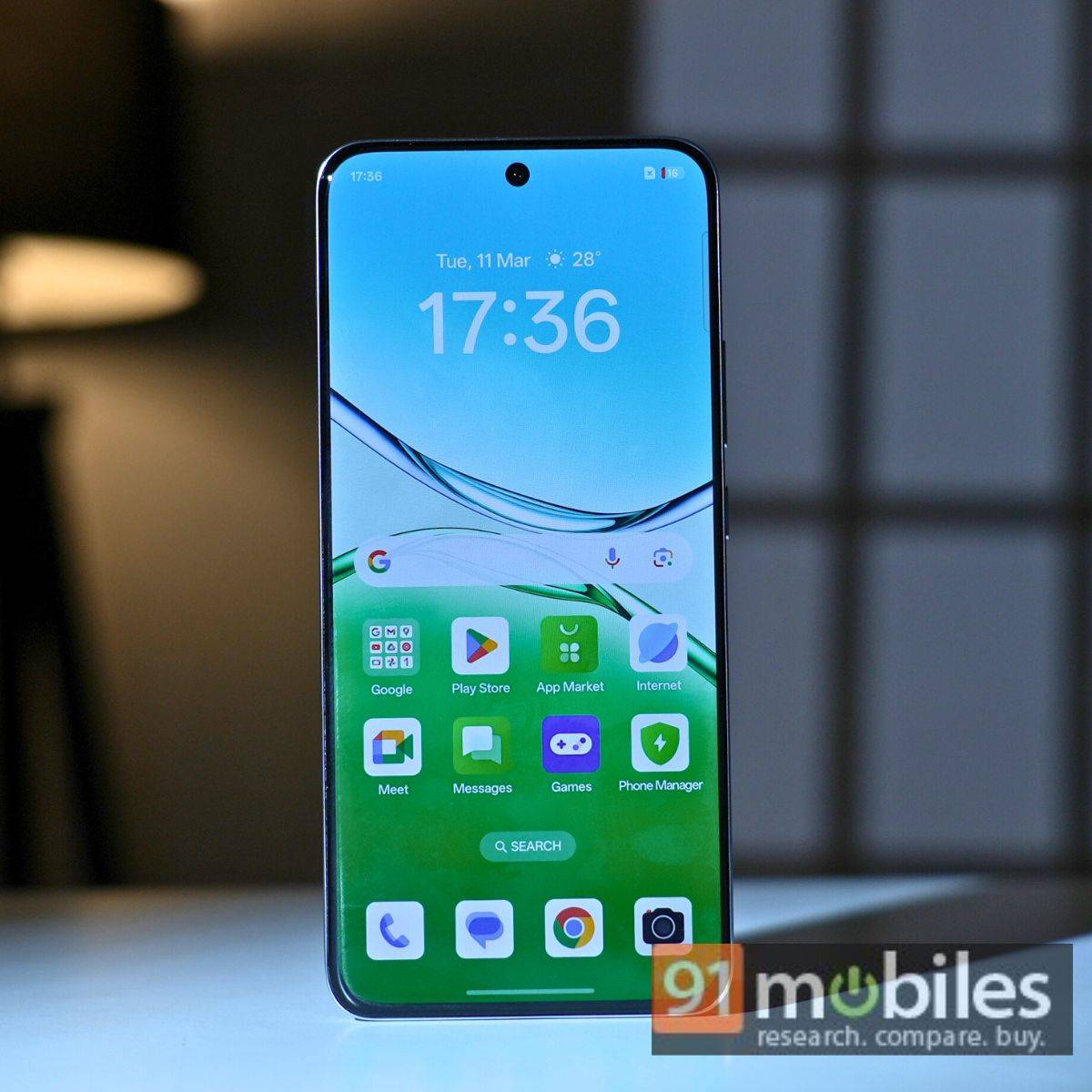
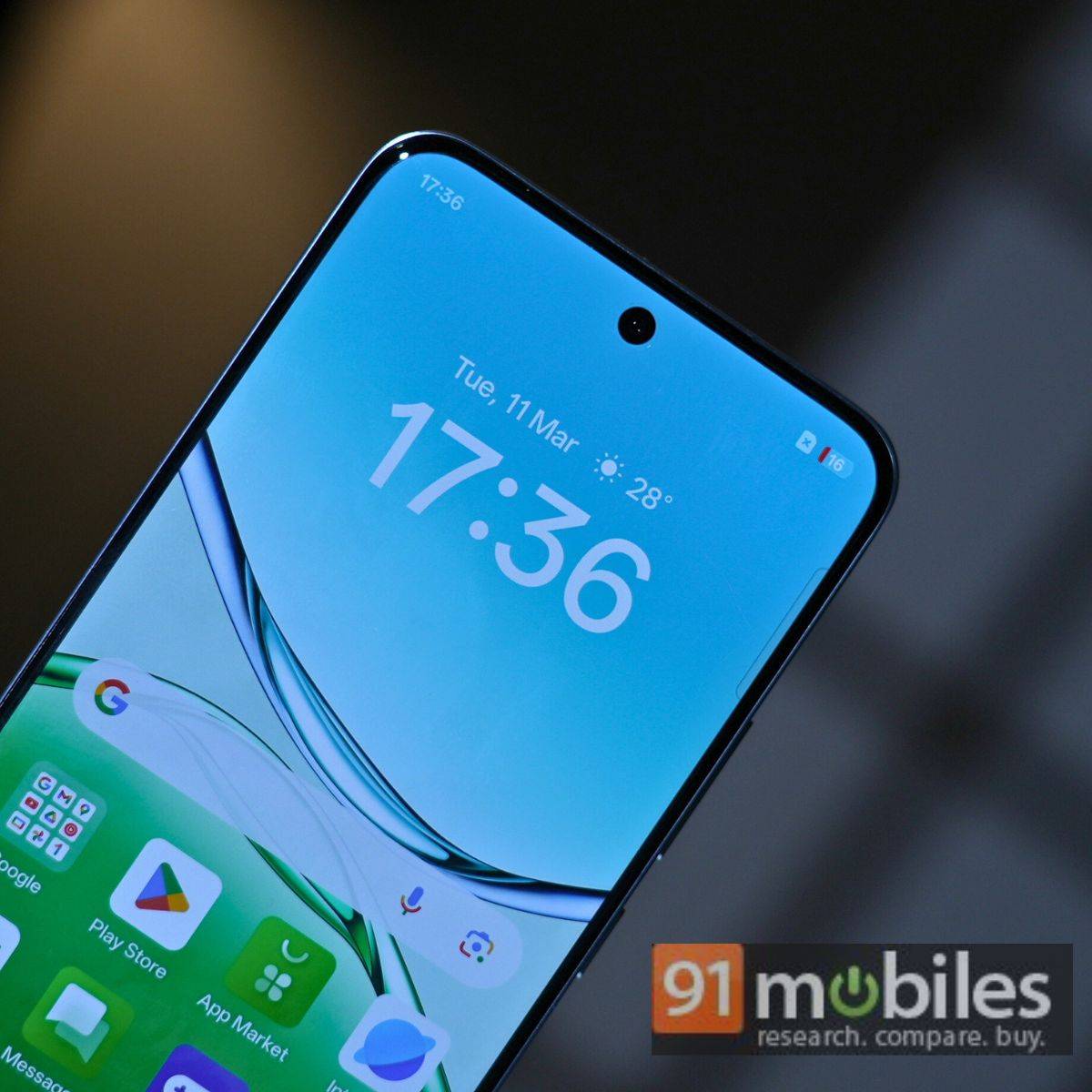
Speaking of colours, the OPPO F29 Pro features a vibrant 6.7-inch Full-HD+ (2,412 x 1,080 pixels) AMOLED display with evenly spaced bezels on all sides. The curved screen, combined with the sleek form, offers a brilliant viewing experience indoors and outdoors. Like its predecessor, the OPPO F27 Pro+ (review), the current iteration also features stereo speakers with impressively loud output. Notably, based on our lab tests, the F29 Pro recorded the highest decibel levels in the Rs 25,000 to Rs 30,000 segment for 2025.
| Smartphone | Display | Peak brightness |
| OPPO F29 Pro | 6.7-inch AMOLED (120Hz) | 1,200 nits |
| Nothing Phone 3a Pro | 6.77-inch AMOLED (120Hz) | 3,000 nits |
| iQOO Neo 10R | 6.77-inch AMOLED (144Hz) | 4,500 nits |
In my usage, the display was perfectly adequate for watching YouTube videos and reading articles. The Gen AI-powered Summary and Speak tools also complement the reading experience well. More on that in the performance section.
Camera
Like the OPPO F27 Pro+, the F29 Pro skips the ultra-wide camera, which puts it in a tough spot against competitors like Motorola and Nothing, both of which not only offer ultra-wide snappers but also include dedicated telephoto lenses in their latest offerings. Interestingly, the 64MP primary sensor from the previous generation has been replaced by a 50MP sensor on the F29 Pro, now featuring OIS (optical image stabilization). The selfie camera gets a considerable upgrade, now featuring a 16MP sensor (8MP on the F27 Pro+).
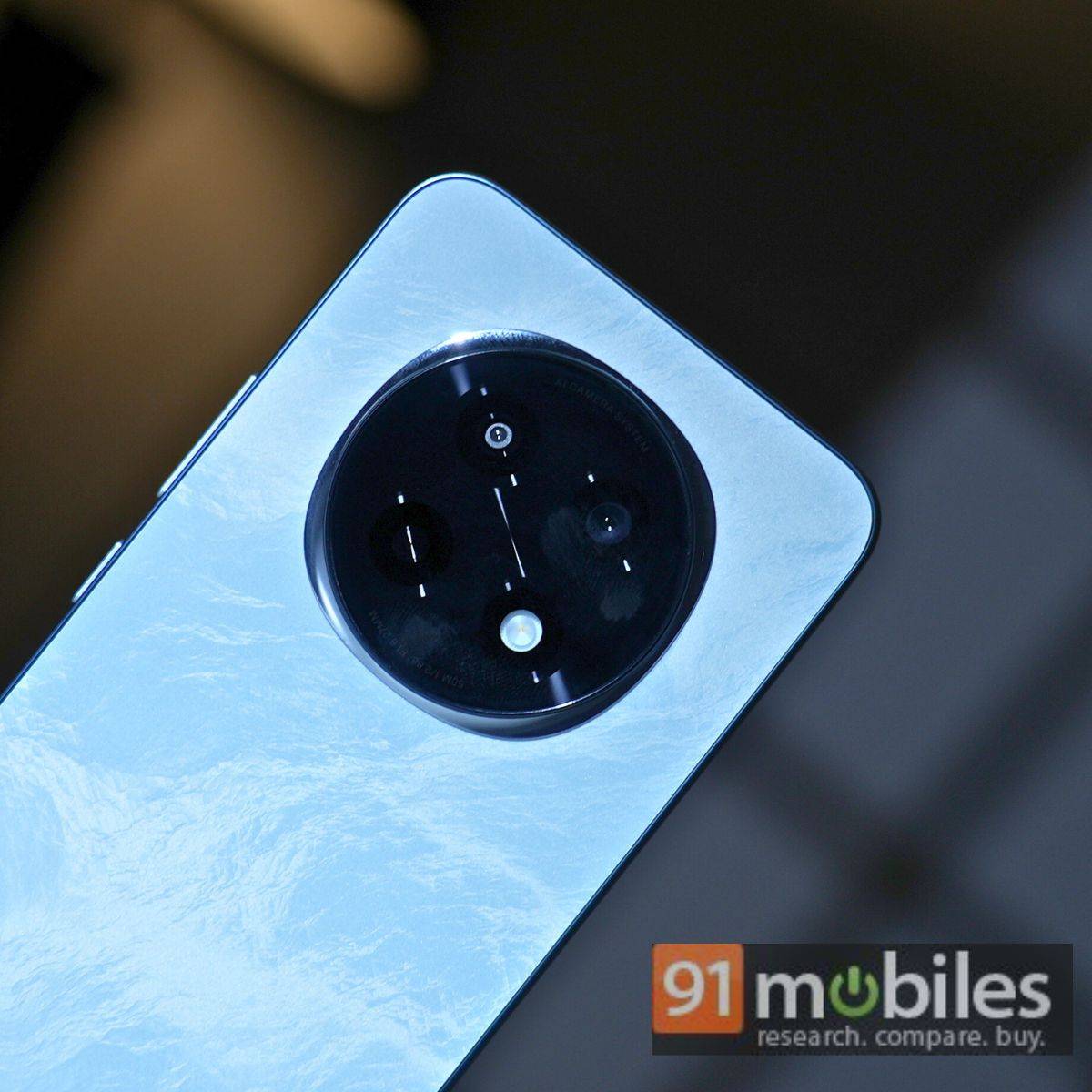
If you’re not bothered by the lack of an ultra-wide, the primary camera holds up well in daylight and low-light conditions. Typically, OPPO leans towards a cool-to-natural colour science here, often with a noticeable contrast and deeper shadows for a dramatic appeal.






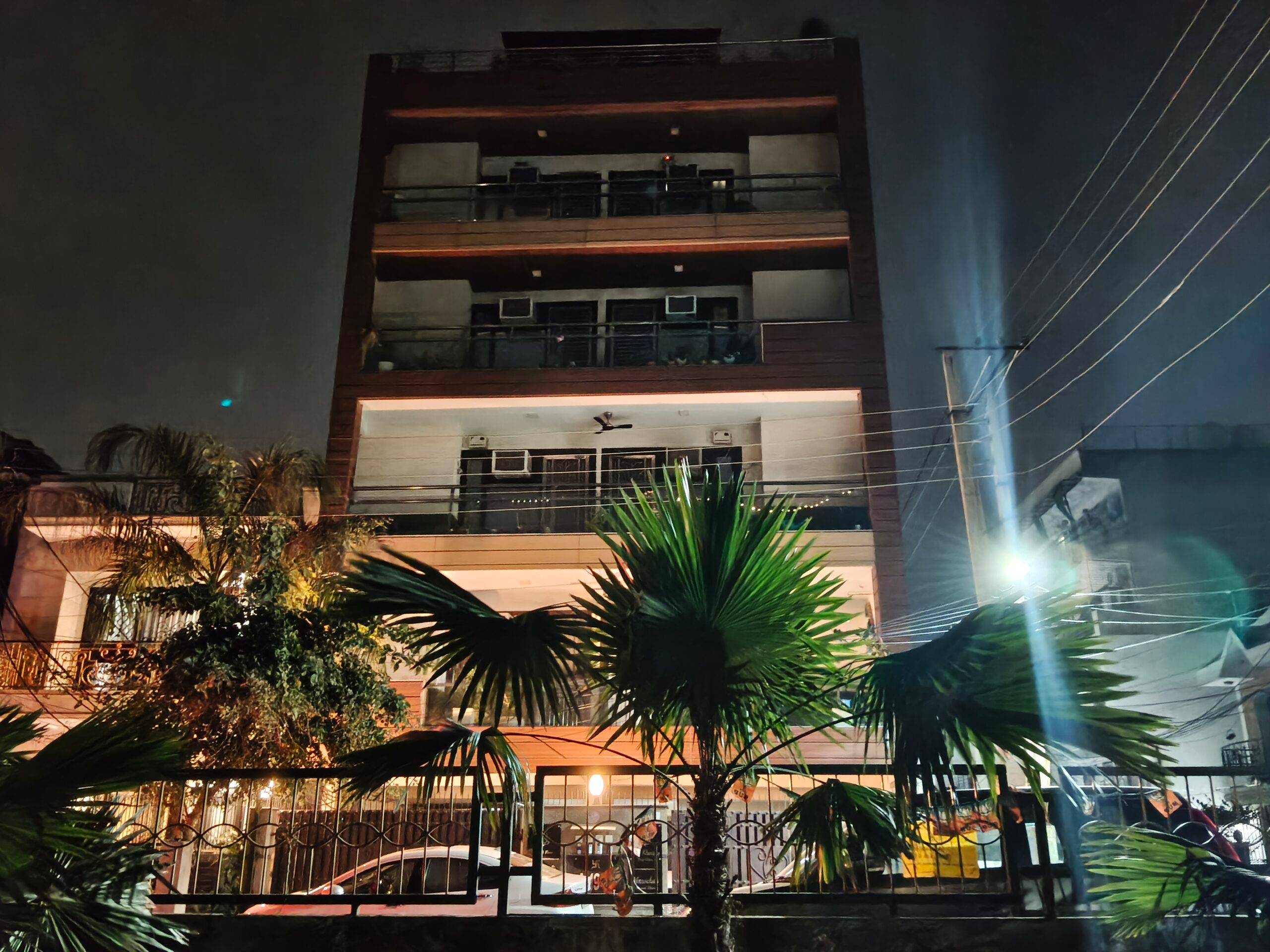






Images with the rear and front cameras involving human subjects also leverage the same colour science. During my review, shots of people delivered solid facial detail and mostly accurate skin tones, depending on the lighting. However, the portrait mode still needs improvement, as the bokeh can be inconsistent around the edges. In one case, the phone struggled to apply the blur effect when using 2x zoom, although it wasn’t a recurring issue.
The video performance is decent overall. The rear camera supports 4K at 30FPS, which is expected in this price range. Thanks to OIS support, you get fairly stable footage in well-lit environments that casual users will appreciate.
We also compared the OPPO F29 Pro’s cameras against the iQOO Neo 10R (review) and the Phone 3a Pro (review). Here’s how all three smartphones fared against each other with different lenses and lighting conditions.
Daylight
The OPPO F29 Pro prioritises natural colours, though it slightly struggles with managing lens flare. Its image is pleasing overall and may remind you of a warm summer afternoon. The shot with the Nothing Phone 3a Pro handles the exposure more efficiently, though it applies prominent contrast. As a result, the F29 Pro provides a relatively better dynamic range.


The iQOO Neo 10R image boasts a cool tint and prominent shadows. Between the two photos, my vote goes to OPPO.

Portrait
As mentioned, the OPPO F29 Pro skips an ultra-wide lens; therefore, we are directly assessing portrait shots with the primary 50MP camera. OPPO’s colour science is close to reality, while details are similar to that of the Phone 3a Pro. However, the latter offers better edge detection.


The iQOO Neo 10R’s image looks the most appealing but boasts highly boosted colours, which may not please some users.

Selfie
OPPO’s selfie boasts the most accurate colours, in addition to balancing details in the foreground and background well, even without portrait mode. In comparison, the Phone 3a Pro overlays a strange red tint on the face, which can look unnatural.


The iQOO Neo 10R closely follows OPPO’s color science but struggles slightly with balancing exposure.

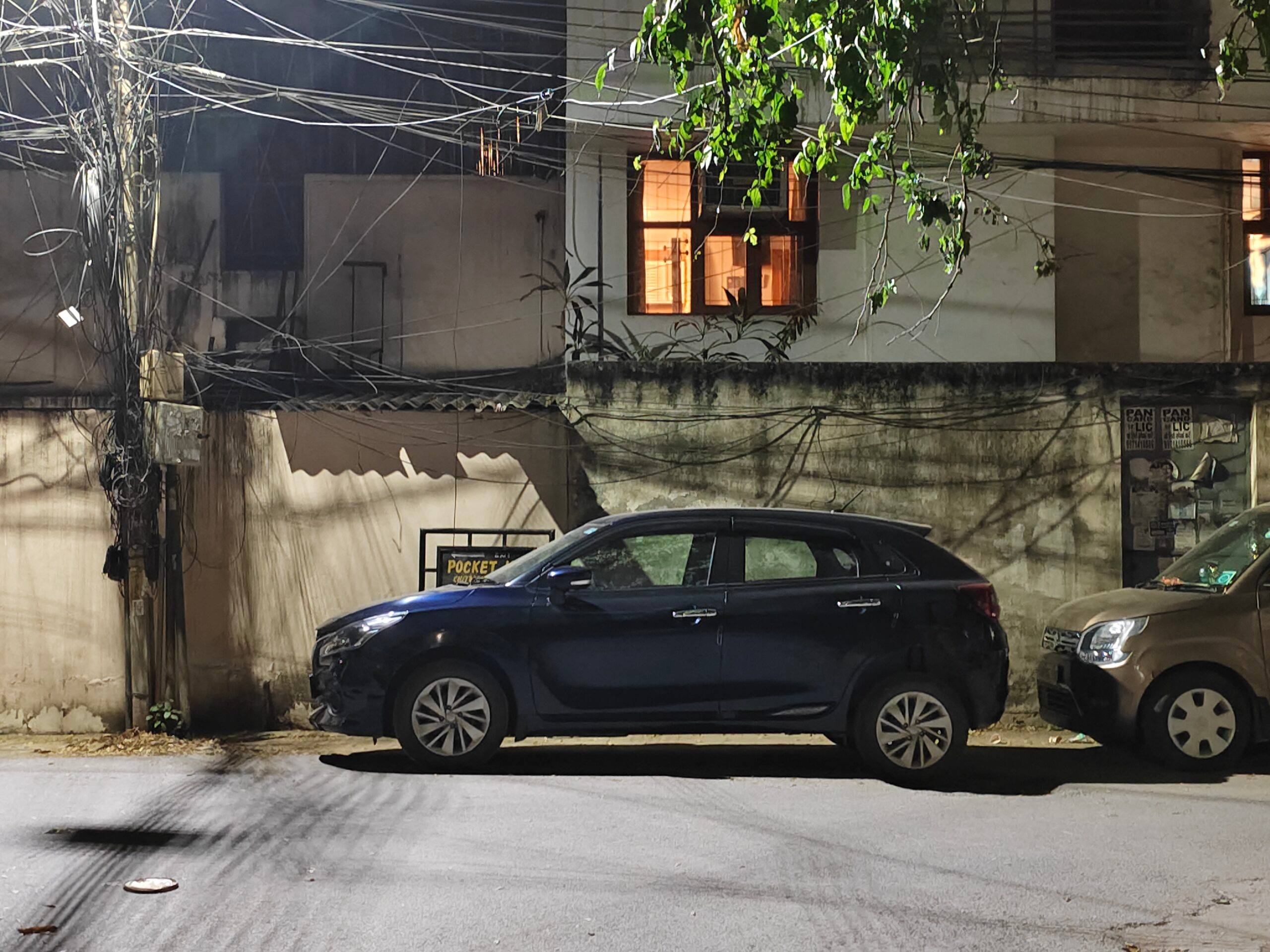
Low light (night mode enabled)
The Nothing Phone 3a Pro’s night shot is evidently brighter, though the image lacks finer details. The OPPO F29 Pro’s shot looks aesthetically dramatic with prominent shadows and contrast. Its details are also relatively sharper.
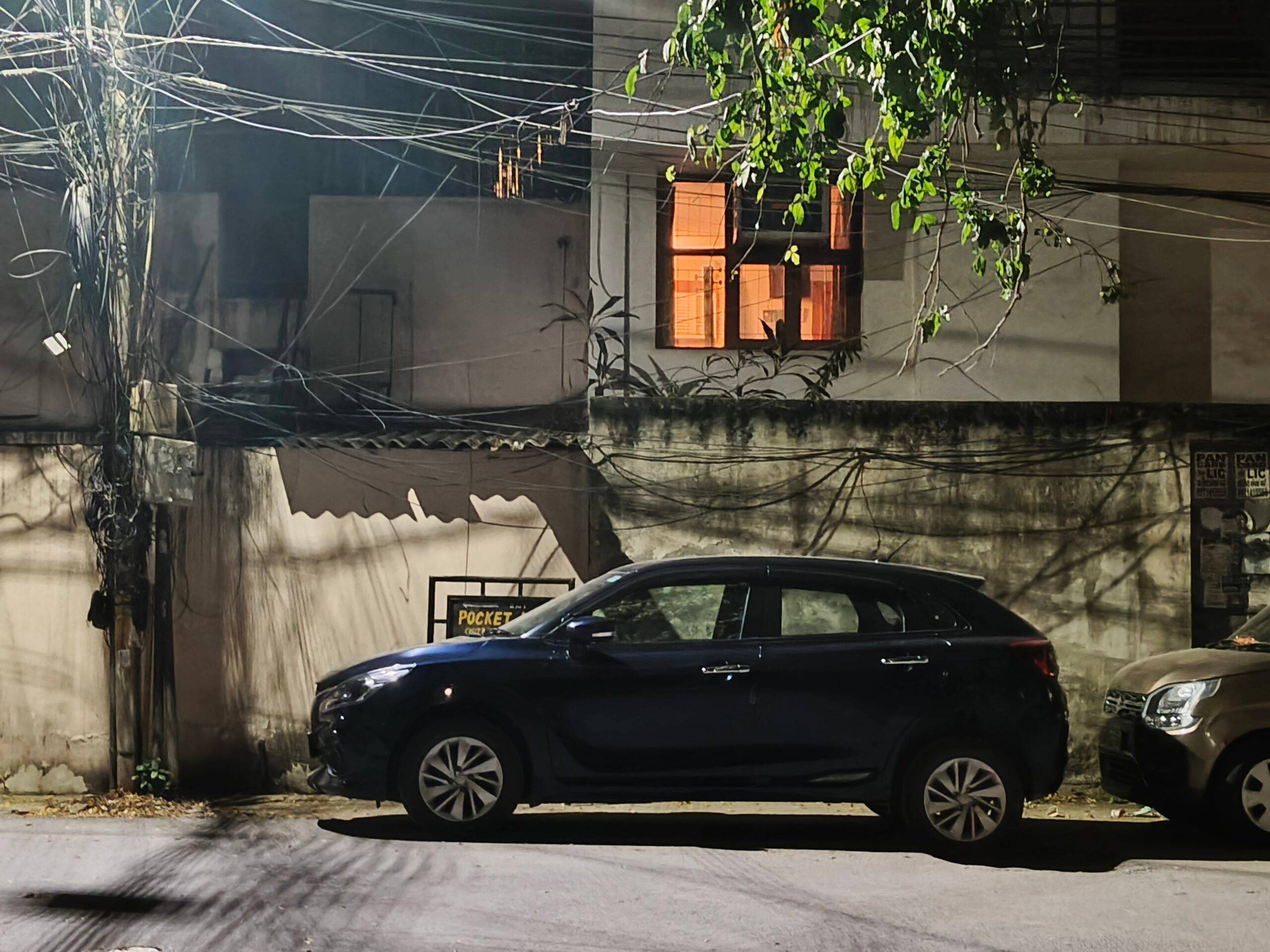
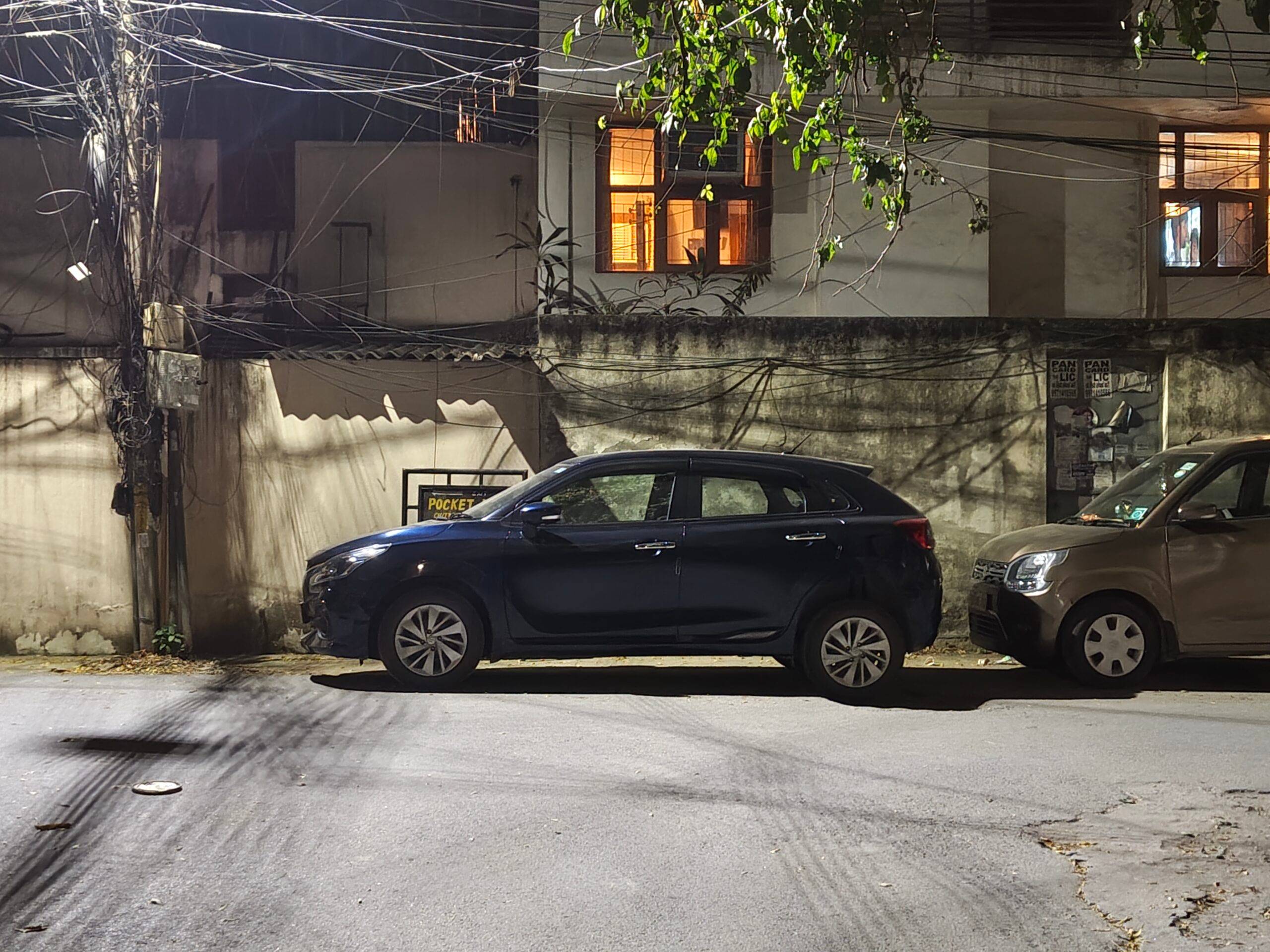
Both OPPO F29 Pro and iQOO Neo 10R capture a similar level of detail in low-light conditions with night mode enabled. However, the iQOO’s image appears noticeably brighter, offering better visual appeal overall.
Performance and software
Unlike the regular variant with the Qualcomm chipset, the Pro model draws power from the MediaTek Dimensity 7300 SoC, which appears to be a go-to choice for several smartphone OEMs. The same chipset also powered last year’s Oppo Reno 12 Pro, OPPO’s first smartphone in India with OPPO Gen AI features. While the Dimensity 7300 SoC may not be a powerhouse (if we go by the numbers), it is sufficient for daily work, like multitasking, browsing, and light gaming.
Heavy gamers – especially BGMI fans – might want more firepower, as the OPPO F29 Pro only managed to hit 29FPS in our continuous gaming test (30 minutes of BGMI). That said, since the phone uses the “Energy” variant of the chipset, overall battery management after 60 minutes of demanding gameplay was surprisingly decent.




Surely, it wouldn’t hurt if OPPO opted for a more powerful processor, especially as rivals like the iQOO Neo 10R and POCO X7 Pro (review) continue to push performance boundaries. The Dimensity 7300 Energy feels like a safe and calculated choice as OPPO has clearly optimised this chipset to unlock its AI capabilities – and it shows.
Some of my favourite Gen AI tools in the market right now come from OPPO, largely because they don’t rely on a proprietary keyboard or browser to function. For instance:
- AI Summary condenses long web pages and documents in seconds.
- AI Write can generate captions or proofread existing text, no matter which keyboard you’re using.
- AI Speak reads long articles for you, making it a perfect tool when you’d rather listen than scroll.
- AI Studio is a fun creative tool that lets you build avatars of yourself or loved ones (no Ghibli-style art yet).
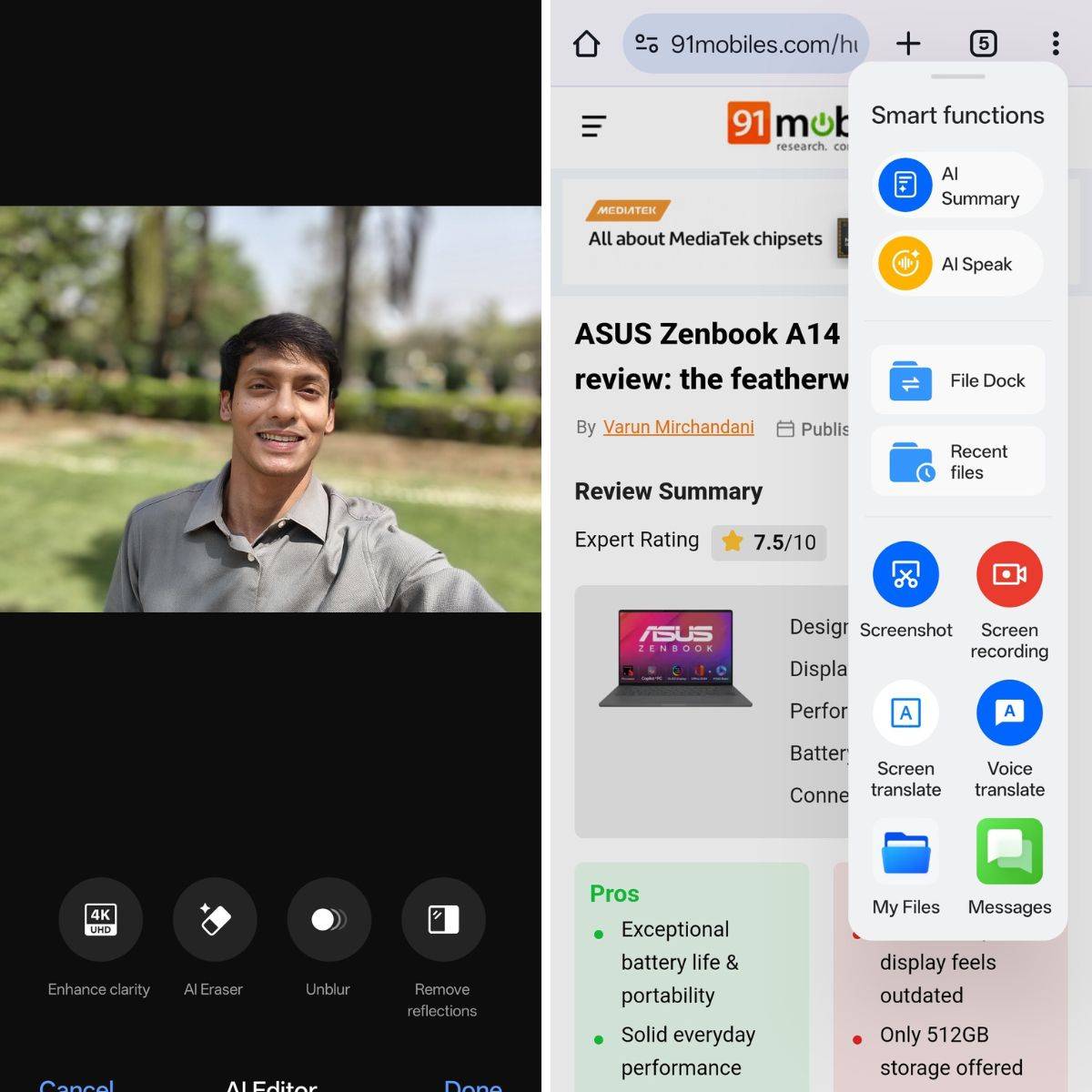
OPPO has introduced several AI-powered camera features. While some may feel a bit hit-or-miss, it’s encouraging to see these additions. Notably, the upgraded AI Object Eraser can remove unwanted elements from photos with impressive accuracy in many cases.
As part of ColorOS 15 (based on Android 15), users can access Google’s Circle to Search and Gemini Live. OPPO’s proprietary UI continues to feel snappy with each new generation, but it could definitely benefit from a longer software update cycle. There’s also room for improvement when it comes to pre-installed apps. The F29 Pro, for instance, ships with as many as 18 third-party apps, which can make the software experience cluttered.
Battery and charging
Like OPPO’s more premium offerings, the F29 Pro packs a massive battery and comes with 80W fast charging support, with the charger included in the box.

In my brief usage, the battery backup was impressive. Even with heavy use, the phone managed to last nearly two hours on just a 20 percent charge. You can easily expect all-day battery life on a single charge. As mentioned earlier, it also stood its ground against gaming-focused rivals in our lab tests, especially in terms of battery management and general usage.
Charging speeds were decent, if not the best. The iQOO Neo 10R, which also supports the same 80W charging and has a larger battery, took less time to go from 20 to 100 percent. Still, considering the F29 Pro is powering a 6,000mAh battery, the charging time remains respectable.
| Smartphone | Battery (charging speed) | Charging time |
| OPPO F29 Pro | 6,000mAh (80W) | 60 minutes |
| Nothing Phone 3a Pro | 5,000mAh (50W) | 51 minutes |
| iQOO Neo 10R | 6,4000mAh (80W) | 42 minutes |
Final verdict
OPPO has set a new benchmark by offering triple IP ratings and Gorilla Glass Victus 2 on the pocket-friendly F29 Pro. The phone handles daily tasks well, adds a handful of practical AI features, and delivers reliable battery life and charging speeds.
That said, heavy gamers might lean towards alternatives like the OPPO X7 Pro or iQOO Neo 10R, purely for their more powerful chipsets. And while the F29 Pro’s primary camera performs reliably across various lighting conditions, users seeking a more versatile camera setup could consider options like the Nothing Phone 3a Pro.
Still, OPPO’s AI features – at least to me – are among the most practical in this price range. Very few OEMs have managed to implement such useful tools under Rs 30,000, and for that reason, the OPPO F29 Pro is certainly worth considering.
Editor’s rating: 7.8 / 10
Reasons to buy:
- The OPPO F29 Pro boasts a sleek and lightweight design.
- It also comes with a tall, vibrant display.
- The phone is highly durable, with triple IP ratings and Corilla Glass Victus 2.
- OPPO’s useful AI features now a more affordable offering.
Reasons not to buy:
- The OPPO F29 Pro comes with loads of pre-installed apps.
- The phone also lacks an ultra-wide camera.
- The F29 Pro comes with limited years of OS support.