Samsung Galaxy A38 battery leak hints at a long-awaited upgrade


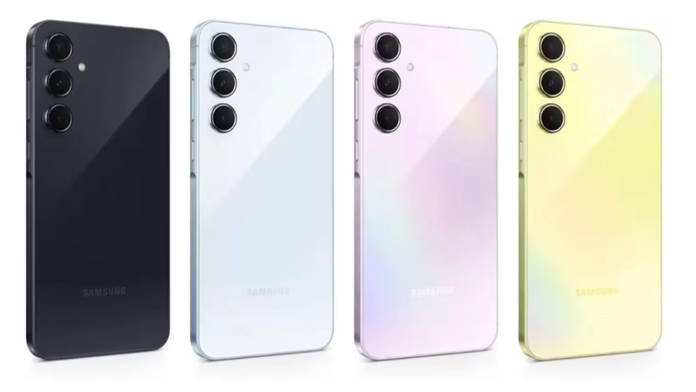
Samsung has been sticking to 5,000mAh batteries for its Galaxy A3x smartphones since 2020, even as rivals have moved to larger capacities. That could finally change with the Galaxy A38. A new leak suggests the upcoming mid-ranger will get a 6,000mAh battery, bringing the series in line with phones that have offered this capacity for some time.
Samsung Galaxy A38 battery capacity leaked
According to Dutch publication GalaxyClub, the Samsung Galaxy A38’s battery has a rated capacity of 5,882mAh. Samsung is likely to advertise it as a 6,000mAh typical-capacity unit, which would be a 20 percent increase over the Galaxy A37. The Galaxy A31 was the first phone in the series to feature a 5,000mAh battery back in 2020. Every subsequent generation has stuck with it, including the Galaxy A37 launched earlier this year. Samsung may finally be ready to break that pattern, although it doesn’t appear to be making a similar change to charging speeds.
Show Full Article
The Galaxy A38 is expected to retain 45W wired charging, matching its predecessor. This hasn’t been confirmed yet, but there’s little indication of a faster charging solution. There’s also no word on whether Samsung will use silicon-carbon battery technology. That would be interesting, as it could help accommodate the larger capacity without adding much to the phone’s thickness.
Samsung, incidentally, already offers 6,000mAh batteries in more affordable phones. The Galaxy M47, for instance, pairs the larger battery with 45W charging. The A38’s potential upgrade would therefore bring the A3x series closer to what Samsung already offers elsewhere.
The battery may be getting an upgrade, but the cameras apparently won’t. Earlier leaks have suggested the Galaxy A38 will retain the Galaxy A37’s 50MP primary, 8MP ultrawide and 5MP macro rear cameras, along with a 12MP selfie camera. For context, the Galaxy A37 arrived in India in March 2026, starting at Rs 41,999. It features a 6.7-inch Full HD+ 120Hz Super AMOLED display, an Exynos 1480 chipset and IP68 protection.
A larger battery could make the Galaxy A38 a more compelling option for those who prioritise battery life. Ultimately, the chipset, battery endurance and pricing will determine how useful the new model is.