


Xiaomi’s Redmi Note 3 was one of the biggest budget blockbusters of last year, and as per the brand, sold over 2.3 million units in a mere six months. The smartphone was the most popular phone of 2016 according to 91mobiles data, reigning our monthly top 20 charts ever since its launch. In fact, the Note 3 won the 91mobiles Phone of the Year User’s Choice Award, and also the Budget Phone of the Year 2016 Jury Award. Its successor, the Redmi Note 4 then, has some pretty big shoes to fill.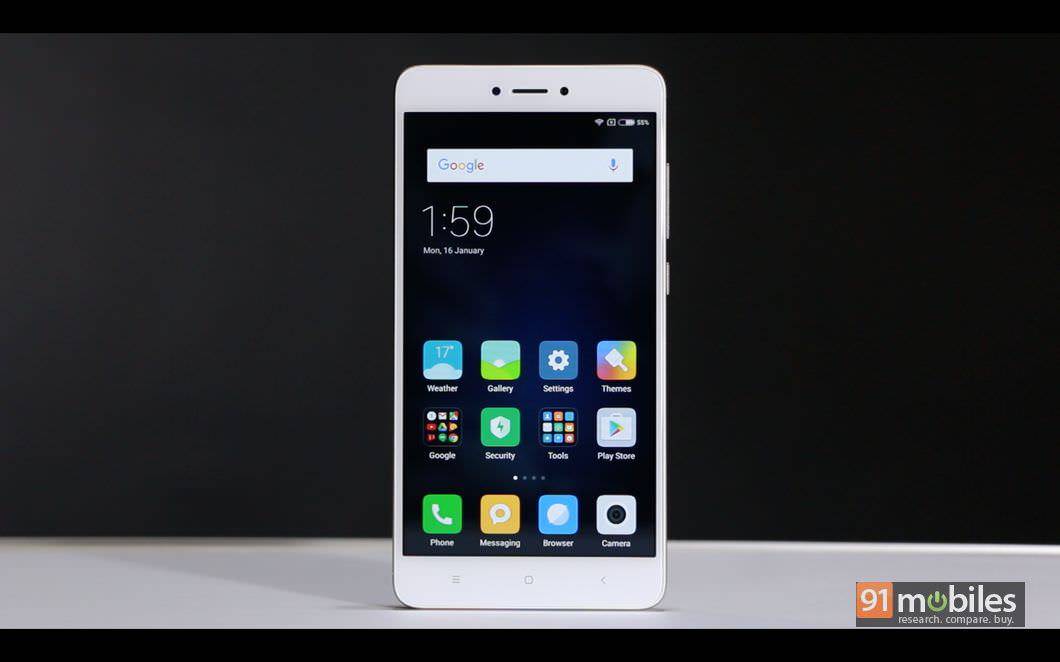 Despite all the accolades and praise it won, the Redmi Note 3 was sort of a rough diamond. When we reviewed it, we called it out for its boring design and average cameras. As it turns out, instead of coming up with a drastic upgrade, Xiaomi has polished that diamond and outed a successor that addresses most of the earlier pain points. Read on for our opinion on the Xiaomi Redmi Note 4.
Table of Contents
Specs at a glance
| Display | |
| Size | 5.5 Inch |
| Resolution | Full HD (1080 x 1920 pixels) |
| Performance | |
| CPU | Octa core, 2 GHz, Snapdragon 625 |
| RAM | 4 GB |
| Storage | |
| Internal memory | 64 GB |
| External memory | Up to 128 GB |
| Battery | |
| Capacity | 4100 mAH, Li-Polymer, Non removable |
| Camera | |
| Primary camera | 13 MP |
| Secondary camera | 5 MP |
| Connectivity | |
| Network support | Dual SIM 4G |
| Other options | Wi-Fi, Bluetooth 4.1, GPS |
| Others | |
| Battery Capacity | 4100 |
| Operating system | Android 6.0 Marshmallow |
Design
The improvements start from the design itself. The Redmi Note 3 came clad in metal, but didn’t really rock our boat in terms of looks. The Note 4 changes that, not drastically we admit, but enough to improve the in-hand feel quite a bit. 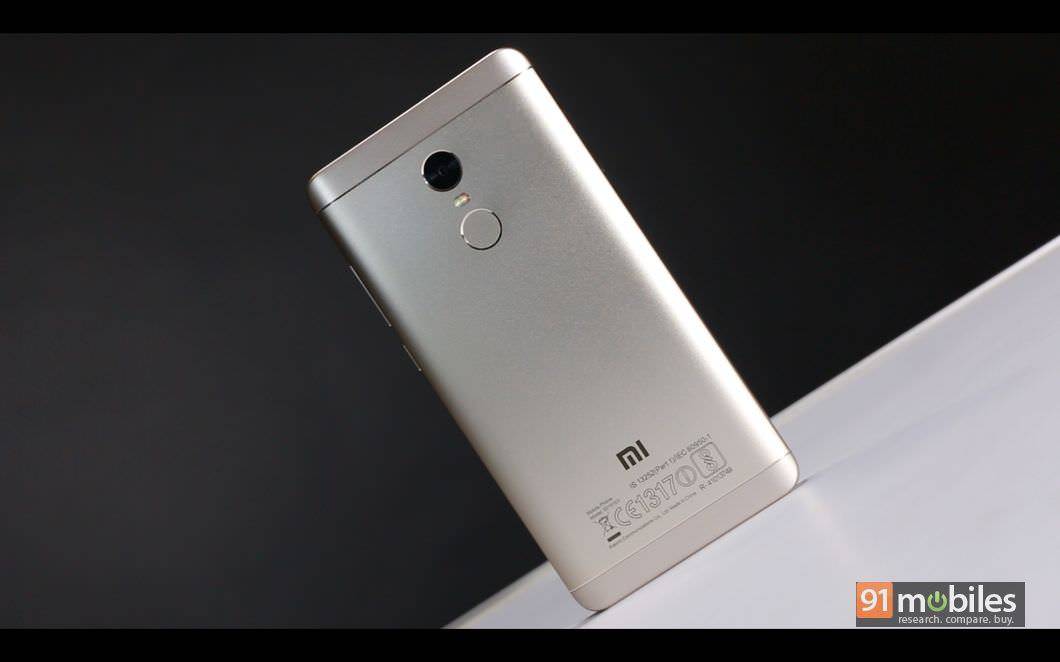 The addition of a 2.5D curved glass on the fascia, and chamfered edges on the side make the new phone seem much more premium in terms of look and feel. We also appreciate the white bezels on our gold unit (the gold Redmi Note 3 bore the same gold colour on the fascia too).
 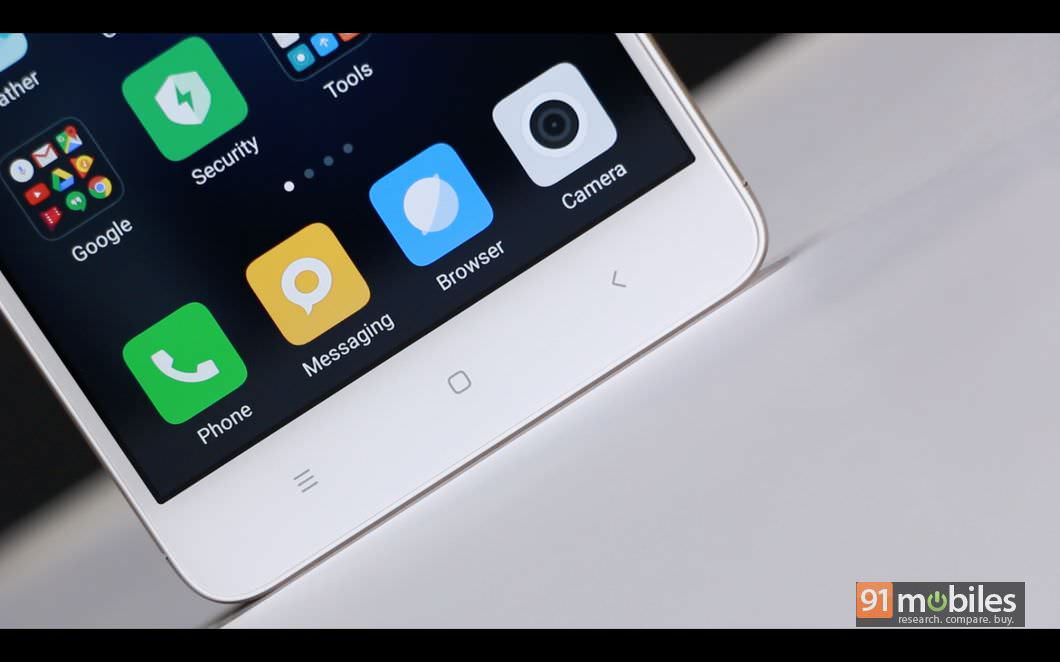 Yet another design aspect of the Redmi Note 4 worth noting is that the speaker has now been moved to the bottom, next to the micro-USB port. If you remember, the Note 3’s speaker was placed at the rear, resulting in the audio getting muffled when the device was kept on a flat surface. While you may not be able to differentiate the Note 3 and Note 4 from a distance, the design differences are enough for us to count them as a big plus.
Display
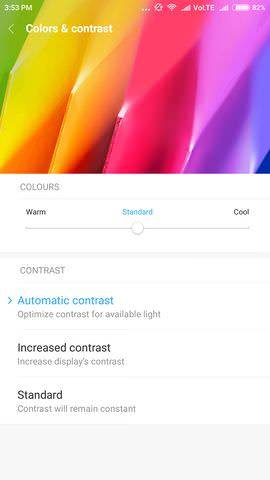 The new phone sticks to the same 5.5-inch FHD IPS display used by the predecessor, and it’s quite capable in terms of most parameters, including colour reproduction, sharpness, touch response, sunlight legibility and viewing angles. As usual, you can tweak display output to suit you preferences, and there’s a night mode for more comfortable reading after dark too.
Cameras
Moving on to the snappers, the Redmi Note 4 actually drops the megapixel count to 13 (in comparison to 16MP on the predecessor). On the front is the same 5MP shooter as before. Don’t get disappointed with the reduction in megapixels though, as the Redmi Note 4 is a far more accomplished shooter than the older model.
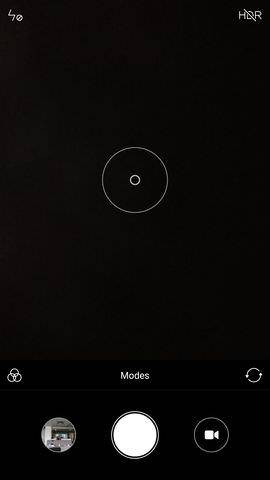
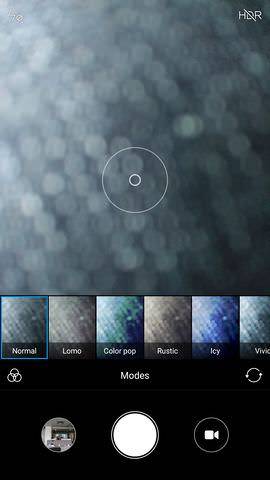
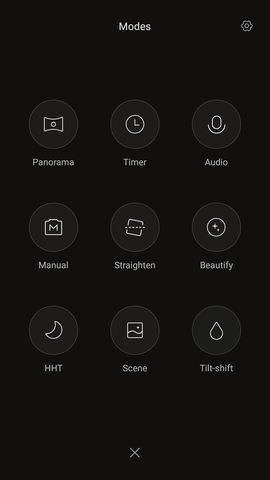
The Note 4 can take vivid and crisp shots in daylight, and even the low light shots aren’t half bad. If we were to nitpick, we’d say that shots from the Redmi Note 4 can look a tad oversaturated in some cases, and there’s some softness visible when you magnify the images substantially. There’s no Auto HDR mode, and HDR processing takes a little bit of time, but switching on this mode improves image quality subtly well, correcting saturation and highlighting the darker areas nicely. Overall, most casual users should be pleased with the image quality – both from the primary, as well as the selfie shooters.







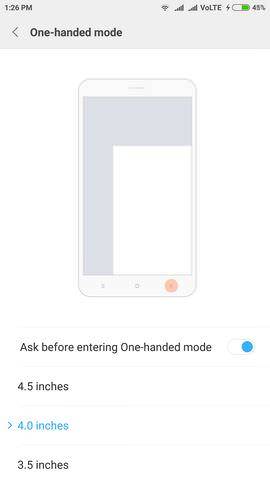
Software
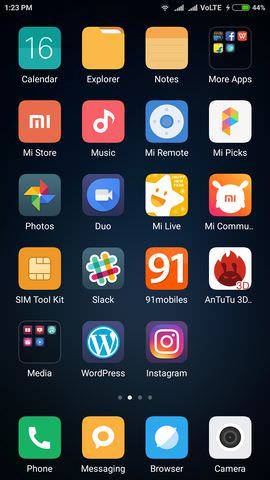
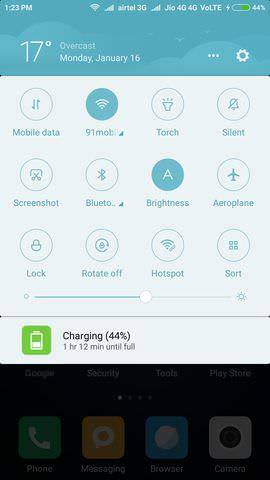
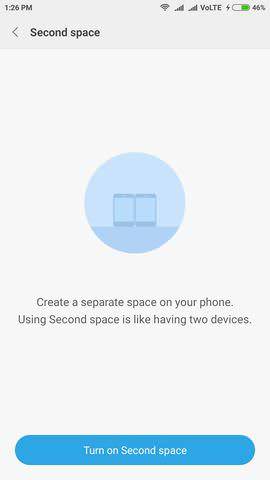
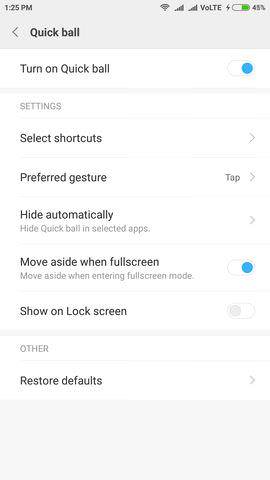
Performance
The Redmi Note 4 utilises a processor which has fast become a 91mobiles favourite. The octa-core Snapdragon 625 inside the phone is a solid blend of grunt and power efficiency, and has been very consistent across all phones we’ve experienced it on. Right from the Asus ZenFone 3 (review), to the Moto Z Play (review), and even the Lenovo P2 more recently, the Snapdragon 625 chip has proven its capabilities in terms of performance, battery life and keeping the heat in check. The Redmi Note 4 does nothing to shake that belief, and comes across as a smooth performer – whether it’s day-to-day tasks, intensive games, or media consumption. Thanks to 4 gigs of RAM on our review unit, multitasking was a breeze too. 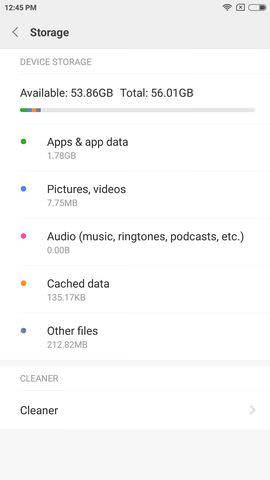 And out of the ample 64GB storage, about 54GB is available for your own use. That should suffice for most, though one always has to the option to use the hybrid SIM slot to pop in a microSD card if required. Worth mentioning that the device also comes in two other variants – the base model offers 2GB RAM and 32GB storage, and there’s another option that offers 3GB RAM and 32GB storage. Note that there’s no 16GB model this time around, so that’s another plus point.
Battery life
The Redmi Note 4 packs a sealed 4,100mAh battery (marginally more powerful than its predecessor), and thanks to the power-efficient Snapdragon 625, kills it in terms of the battery life. In our usage, we were able to eke out a full day’s use comfortably, even with heavy usage. The handset lasted for a good 17 hours in our video loop drain test, which indicates how good its battery life is.
Verdict
At the end, it all boils down to this. The Coolpad Cool1 Dual (first impressions) is a worthy rival to the Redmi Note 4, and entices because of its dual cameras and overall image quality. However, it suffers from software issues. The Lenovo K6 Note also falls in the same price bracket, but comes with a less powerful Snapdragon 430 processor. The Moto G4 Plus (review) does offer better image quality, but offers a dated CPU and suffers from a few heating issues. The new Lenovo P2 (review) is unbeatable in terms of battery life, but is priced a tad higher and we’re not big fans of its shooting prowess. With its recent price drop, the Lenovo Z2 Plus (review) has become an attractive option too, especially considering it comes powered by a high-end Snapdragon 820 chip. However, it has its share of issues as well, such as a plain Jane design, so-so cameras and average battery life.
In sum, the Xiaomi Redmi Note 4 does could do with a little bit of TLC in the camera department, but that niggle apart, comes across as very well-rounded, balanced (not to mention affordable) package… one you can buy without worry. So does Xiaomi have another blockbuster on its hands? We think so.
Editor’s rating: 4 / 5
Pros
- Premium look and feel
- Smooth performance
- MIUI 8’s signature features
- Excellent battery life
Cons
- Camera image quality could be better
- HDR image processing takes time
 | vs |  |