Intel Core Ultra Series 3 processors: what you need to know


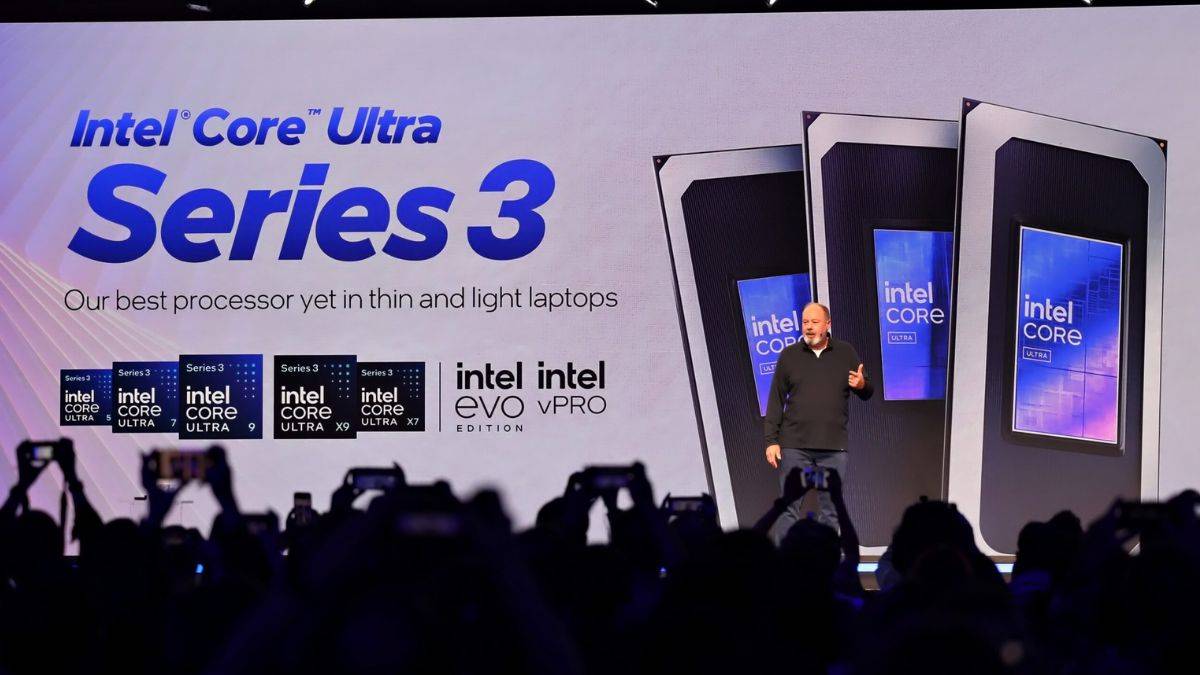
Intel took the stage at CES 2026 to unveil its new Core Ultra Series 3 processors, with the new chips marking a significant milestone in the chipmaker’s journey. Codenamed Panther Lake, the latest platform promises the world in terms of the core aspects like performance, graphics and battery life, and are said to be designed for the AI PC era. I got an early peek at the chip’s capabilities at CES, and I genuinely believe Intel has a winner on its hands. Maybe I’m jumping the gun a bit, since devices powered by these chips haven’t started shipping yet, but I got an early peek at the capabilities, and things are looking very promising. Intel also seems extremely confident about it, and that showed in the brand’s presentations and briefings at the world’s largest electronics show. Here are the key highlights you should know:


Table of Contents
First processors built on the 18A process
In simple terms, the new 18A process balances performance and efficiency in way that hasn’t been done before, thanks to changes at the architectural level. The 18A process combines RibbonFET (which enables better control over transistors), and PowerVia (which moves power to the back of the silicon wafer and allows for better movement of both power and signals). The promise of significant gains in performance per Watt bodes well for AI workloads that are power hungry, and in theory, the 18A process should enable AI PCs to run local models without draining battery.CPU performance improvements
The new chips claim big improvements in multi-core performance riding on the architectural changes for both performance as well as efficiency cores. Up to 60 percent better multithread performance as compared to older designs is being claimed, and that directly impacts app loading times, multitasking and workflows.

Integrated graphics that deliver on gaming
A laptop that lists integrated graphics as part of its specs sheet can easily be classified as a non-gaming machine, but that changes with the Core Ultra Series 3. Higher models in the series boast up to 77 percent faster gaming performance. Serious gamers might still raise their eyebrows but casual gaming and graphics-intensive tasks all stand to benefit.AI? Aye aye sir
Improved NPU performance boosts on-device capabilities and this stands out as one of the key highlights, given how AI is taking over as one of the primary use cases of computing systems across various segments. It’s an AI world out there and the Core Ultra 3 systems seem well-suited to take on the responsibility as they can deliver to ~50 TOPS without breaking into a sweat.Power efficiency without compromises
Power efficiency is a crucial metric for laptops, and thus far, devices had to compromise on performance to deliver on that. However, the Series 3 chips change all that and turn this notion around on its head. In fact, some configurations powered by the Core Ultra 3 chips promise up to 27 hours of video streaming on a single charge.Thin and light on form factor, but not thin on capability

Thin and light laptops are great for portability, but then, these form factors aren’t known for their performance or battery life. Since the Ultra Series 3 processors deliver on both, the chips are ideal for ultraportable notebooks that don’t involve any compromises on these core aspects.
View this post on InstagramA post shared by 91mobiles (@91mobiles)
I did mention pure AI capabilities as one of the points in the list above, but the fact is that most of the other points also tie into and enhance the AI performance, and that is key as we move into an era where AI takes centre stage, instead of being just a feature or an add-on. Systems powered by the Core Ultra Series 3 processors would be AI-first PCs that not only bring a lot to the users’ hands but also put Intel back into the reckoning. Over 200 designs from leading PC OEMs are in the pipeline, and I got to see a few of them at Intel’s showcase at CES 2026. Early days yet, but the Core Ultra Series 3 processors are looking quite promising and could change the game. We won’t have to wait long to find out…
Show Full ArticleDisclosure: this writer attended CES 2026 at Intel India’s invitation.