AMD has expanded its Ryzen 5 desktop processor lineup with two new models for different platforms. The Ryzen 5 7500 is for users building or upgrading to the newer AM5 platform, while the Ryzen 5 5500F adds another entry-level option for the older AM4 platform. Let’s check it out in more detail below.
Table of Contents
AMD Ryzen 5 7500 and Ryzen 5 5500F: specifications and features
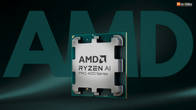
The Ryzen 5 7500 is the more modern of the two processors, using AMD’s Zen 4 architecture and the AM5 socket. It features six cores and 12 threads, with a boost clock of up to 5GHz and a base clock of 3.7GHz. It also gets 6MB of L2 cache and 32MB of L3 cache, along with support for AMD EXPO memory overclocking and Precision Boost Overdrive. Most importantly, it comes with built-in Radeon Graphics, so users don’t necessarily need a dedicated graphics card for basic display output.
The Ryzen 5 5500F, meanwhile, is based on the older Zen 3 architecture and uses the AM4 socket. It also has six cores and 12 threads but reaches up to 4.4GHz with a 3GHz base clock and gets 3MB of L2 cache and 16MB of L3 cache. Unlike the Ryzen 5 7500, it does not include integrated graphics, so a discrete GPU is required. It does, however, support overclocking and works with a wide range of AM4 chipsets, including B450, B550, A520 and X570.
Both processors have a 65W TDP, support Precision Boost 2 and come with AMD’s Wraith Stealth thermal solution. The main difference is therefore the platform they target: the Ryzen 5 7500 is designed for newer AM5 systems, while the Ryzen 5 5500F gives existing AM4 users another affordable upgrade option without requiring a move to a new platform.
Should you buy the new Ryzen processors?
The timing of these new Ryzen processors is no coincidence, given how volatile the PC component market has become. The ongoing DDR5 RAM shortage has pushed memory prices up significantly, making newer AM5 builds more expensive than they were previously. For users who specifically want to move to the AM5 platform, the Ryzen 5 7500 looks like a decent mainstream option, especially with its Zen 4 architecture and built-in Radeon graphics.
However, the Ryzen 5 5500F is arguably the more promising launch right now. It gives users another AM4 option and, importantly, allows them to continue using DDR4 RAM. DDR4 prices have also increased substantially, but availability is somewhat better and prices are generally more palatable than their DDR5 counterparts. This could make the Ryzen 5 5500F a decent choice for someone building an affordable PC or upgrading an existing AM4 system without having to spend heavily on a new motherboard and DDR5 memory.
AMD has not revealed pricing for either processor yet, so it is difficult to judge their value right now. The India pricing will likely appear through official retailers and online stores at a later date, so users planning a new build should keep an eye out for the final prices before making a decision.