We reviewed over 30 smartphones in the last 3 months – here are the highlights
These are all the phones we reviewed this quarter


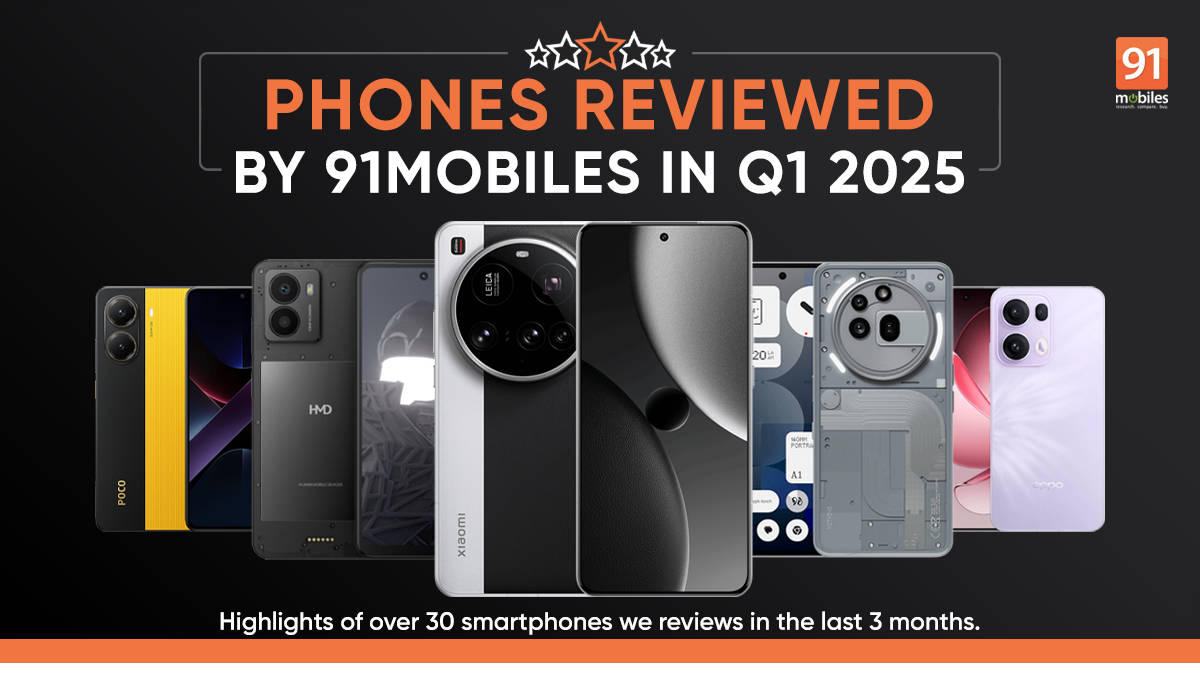
The job of a reviewer has its perks, but also comes with a lot of responsibility, I feel. The first thing that comes to mind is this epic statement: “With great power comes great responsibility, ” and Team 91mobiles takes this extremely seriously. Just 3 months into 2025, we’ve unboxed, played around with, tested to their limits, and used extensively smartphones of all sizes, varied capabilities, aimed at different target audiences, and spanning different price segments. Most smartphone brands that exist in India had something or the other to offer this quarter, and all these new smartphones were put through our rigorous and standardised test process that involves a mix of synthetic and real-world tests, evaluating aspects like performance, battery life, cameras, gaming prowess, etc, and combined with other factors like software, design, build quality, features, AI capabilities, and usage experience to come up with a consilidated score. I’m not exaggerating when I say that the 91mobiles test process is one of the most detailed, objective, and exhaustive compared to what’s followed by other tech media outlets in the country. With that said, here’s a quick look at some of the trends that are becoming apparent, followed by a bird’s eye view of some key smartphones we reviewed in the last 3 months, and their respective highlights, hits and misses.
Table of Contents
Trends
Based on the smartphones that made their way to us in the first quarter of 2025, a few trends have started to appear:
- AI continues to be a differentiating factor. AI features that have been seen only in flagships so far have started trickling down to lower-priced devices.
- IP69 rating and durability are aspects that have become talking points for many brands, with various contenders now available across different price points.
- Many OEMs are now offering bigger and beefier batteries in their smartphones, and thanks to technologies like silicon carbide, they’re able to maintain the form factor without increasing the device thickness.
- Most brands seem to be sticking to their core strengths, without straying too far away from paths defined by previous-gen offerings. There are some exceptions, but few and far between.
Under Rs 15,000
POCO M7 Pro 5G: Rating 7.8 / 10
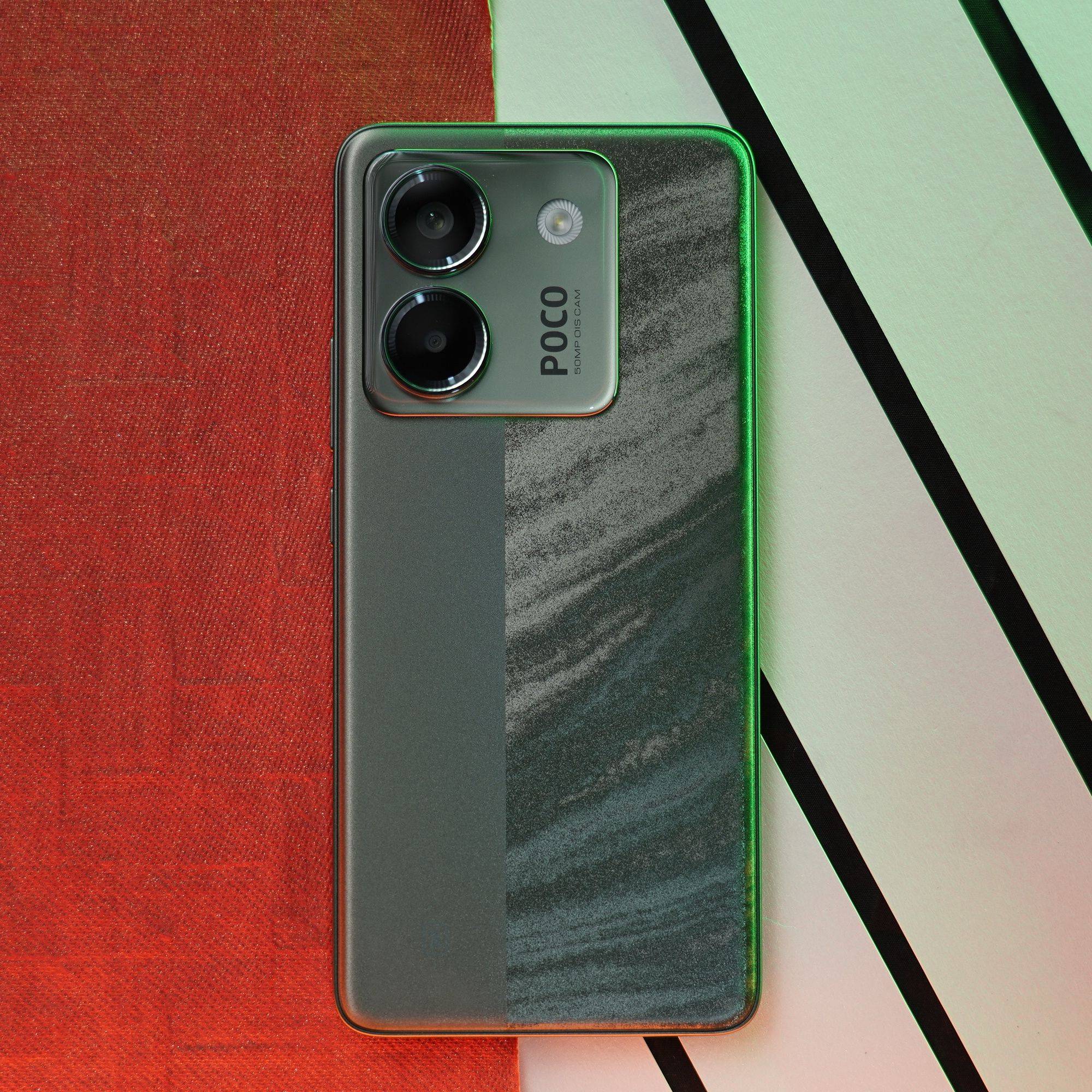
Barring the fact that it comes with quite a few pre-installed apps, and the camera struggles a tad bit when the night mode is activated, the POCO M7 Pro impresses in most fronts. Starting from the design and the build quality, and moving on the other key aspects like screen, performance, battery life and charging speed, it scores high and comes across as a good choice in the sub-Rs 15K segment.
| POCO M7 Pro 5G | Pros | Cons |
| Review Link | Vibrant 120Hz AMOLED display | Night mode is average |
| Impressive design and build quality | Too many pre-installed apps | |
| Solid battery backup | ||
| Good charging speed |
Realme 14x: Rating 7.5 / 10
Its promise of durability and IP69 rating, and that too in the sub-Rs 15K segment are among the strongest (pun unintended) points in favour of the Realme 14x. The smartphone does leave a few things to be desired when it comes to the display and the software experience, but it does deliver in core aspects like offering decent performance and daylight camera quality.
| Realme 14x | Pros | Cons |
| Review Link | IP69 certification | Average display |
| Dependable battery backup | Too many pre-installed apps | |
| Decent camera in bright conditions |
itel A80: Rating 7.5 / 10

As a budget, no-frills smartphone, the itel A80 seems to have a lot going for it. It’s a 4G device and doesn’t have lots to boast about in terms of performance and charging speeds, but it does make up for it with aspects like a clean Android experience. It’s good for consuming content too, thanks to decent battery life, a tall display and speakers that can get quite loud.
| itel A80 | Pros | Cons |
| Review Link | Tall display | Average performer |
| Clean Android with Go edition | Slow charging | |
| Decent battery | ||
| Loud speakers |
Redmi 14C: Rating 7.5 / 10

Sub-Rs 10K phones aren’t known for their low-light photography process, so one can’t fault the Redmi 14C for not being so strong in this department. The 64GB storage in the base variant seems low and the phone does come with quite a few apps preloaded. However, it delivers in terms of its shooting abilities in daylight, offering decent battery life along with a capable 120Hz display.
| Redmi 14C | Pros | Cons |
| Review Link | Large, vibrant 120Hz display | Subpar low-light cameras |
| Reliable daylight cameras | Too many pre-installed apps | |
| Decent battery life | Only 64GB storage in base variant |
itel Zeno 10: Rating 7.5 / 10
First-time smartphone users and those with basic needs seem to be the target audience for this sub-Rs 6K smartphone. Charging speeds and photography aren’t its strong points, but it scores reasonably well on the basics, including design, display, performance and battery life, especially keeping its affordable price in mind.
| itel Zeno 10 | Pros | Cons |
| Review Link | Good design with a chic case | Inconsistent fingerprint scanner |
| Satisfactory visual experience | Slow charging speed | |
| Decent everyday performance | ||
| Good battery life |
Infinix Smart HD 9: Rating 7.8 / 10

“The Infinix Smart 9 HD is a well-rounded option at a budget price.” Reads a statement from our review. And that sums it up quite nicely. Performance and charging speeds aren’t the best, but that’s the case with most budget phones. Where it shines are aspects like design, cameras and battery life, and those are big wins for any affordable smartphone.
| Infinix Smart 9 HD | Pros | Cons |
| Review Link | Classy design with IP54 rating | Slow charging speed |
| Great multimedia experience | Performance could be better | |
| Impressive cameras | ||
| Good battery life |
Vivo T4x: Rating 8 / 10
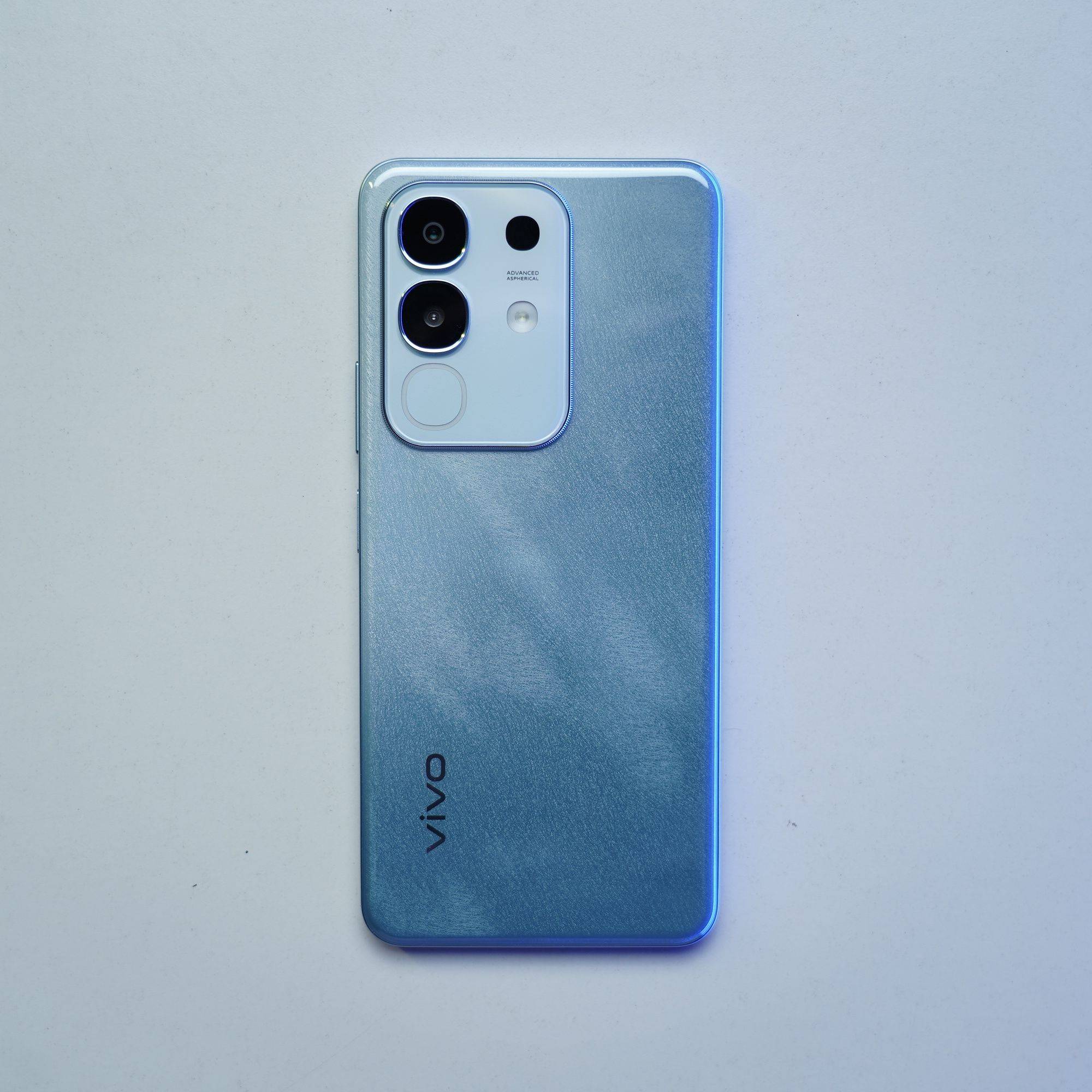
A sub-Rs 15K smartphone that defies its affordable pricing to come up as a compelling, all-round package, the Vivo T4X has a lot to offer. It does have a fair number of apps that come pre-installed, but other than that, it manages to deliver well on the promises it makes. One can’t argue with the kind of performance, camera quality and battery life it can offer, and our review doesn’t mince any words and calls it one of the best options in its class.
| Vivo T4x | Pros | Cons |
| Review Link | Excellent performance | No expandable storage |
| Reliable cameras | Pre-installed apps | |
| Great battery life |
Realme P3x: Rating 7.5 / 10
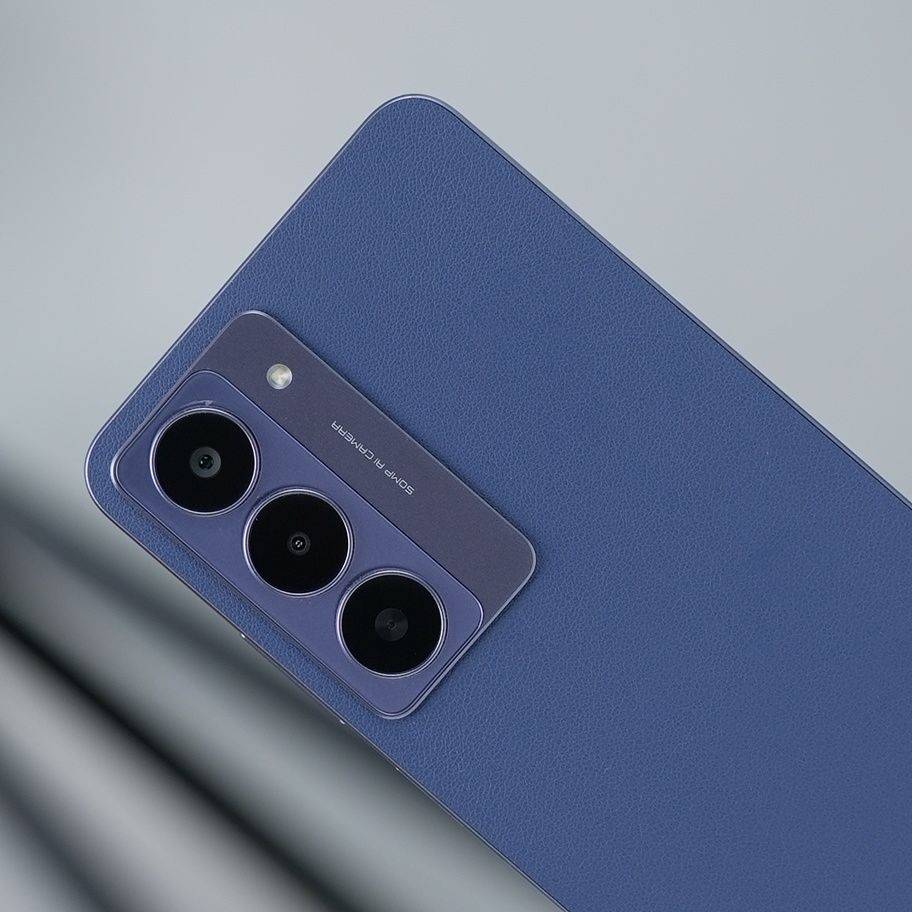
The cameras and the software experience offered by the Realme P3x, which is a very recent launch, do need some improvement to make it a compelling option. That said, where it really shines are aspects like its IP69 rating and the battery life offered by its 6,000mAh pack. The faux leather back looks and feels premium, and helps keep smudges at bay.
| Realme P3x | Pros | Cons |
| Review Link | IP69-rated design | Pre-installed apps |
| Decent display | Cameras struggle to capture details | |
| Great battery life | ||
| Satisfactory performance |
POCO M7: Rating 7.6 / 10
We called it a “reliable budget phone” in our review, and barring its low-light photography prowess (which is an issue with most budget smartphones), the POCO M7 doesn’t do many things wrong. Performance, check. Daylight shooting, check. Battery life, check. That pretty much covers the most core aspects one wants from a budget phone, and the M7 fits the bill.
| POCO M7 | Pros | Cons |
| Review Link | Great multimedia output | Poor low light cameras |
| Good performance | Pre-installed apps | |
| Reliable daylight cameras | ||
| Decent battery life |
Under Rs 30,000
HMD Fusion: Rating 7.5 / 10

Stepping away from convention, the HMD Fusion comes as an interesting proposition. The modular design allows attaching accessories (or outfits as they’re called) to enhance the overall experience. The idea isn’t unheard of, but it is still a novelty. In the Fusion case, it does help its cause and help it attain a respectable rating despite the sub-par multimedia experience it delivers. The phone also scores on battery life, clean OS and repairability.
| HMD Fusion | Pros | Cons |
| Review Link | Unique modular design | Poor multimedia experience |
| Good battery life | Only one OS update | |
| Repairability | ||
| Clean OS |
POCO X7: Rating 7.9 / 10
The X7 from POCO is yet another solid contender from the brand. Low-light photography is one area where it leaves a bit to be desired, but other than that, there isn’t much to dislike. Featuring the signature POCO yellow and headlined by its IP69 rating that makes it a solid device, literally, the X7 also scores high on the multimedia aspect. Adding the decent battery life and cameras that shoot well, especially in daylight, makes it a strong option in its class.
| POCO X7 | Pros | Cons |
| Review Link | Robust build with IP69 rating | Low light photography could be better |
| Excellent multimedia experience | Will receive only 2 major OS updates | |
| Decent battery life | ||
| Good daylight cameras |
POCO X7 Pro: Rating 8 / 10
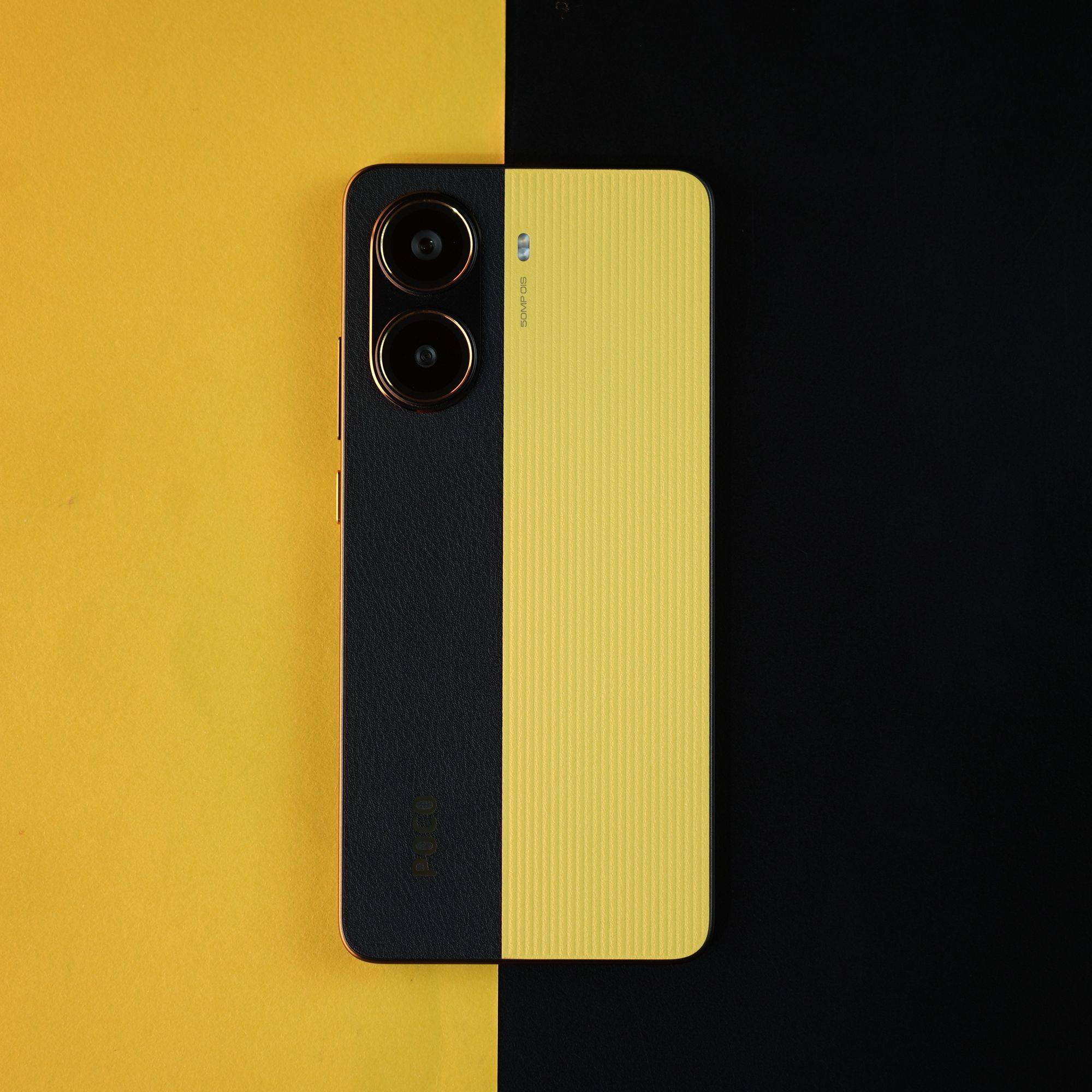
We don’t like the cameras which can be a tad bit inconsistent, and the software experience that could do with fewer apps. But the X7 Pro’s highlight is the strong performance, which makes it quite the gamer’s delight, especially if you factor in the vibrant display and the good battery life. These are all points that add to the high rating acquired by this phone.
| POCO X7 Pro | Pros | Cons |
| Review Link | Attractive design (POCO Yellow variant) | Inconsistent cameras |
| Powerful performance | Loads of pre-installed apps | |
| Long battery life | ||
| Vibrant display |
Realme 14 Pro: Rating 7.7 / 10
“One of the slimmest and lightest smartphones with a 6,000mAh battery across any segment.” Now that’s a tough one to beat. It misses out on an ultra-wide camera, but the Realme 14 Pro attempts to make up for it in other areas. Its design is a head-turner, and the IP69 rating brings peace of mind. And then, high scores in the display and battery departments further its cause too.
| Realme 14 Pro | Pros | Cons |
| Review Link | Stylish design | No ultra-wide camera |
| IP69 rating for dust and water resistance | Loads of pre-installed apps | |
| Long battery backup | ||
| Vibrant and bright display |
Realme 14 Pro+: Rating 7.7 / 10
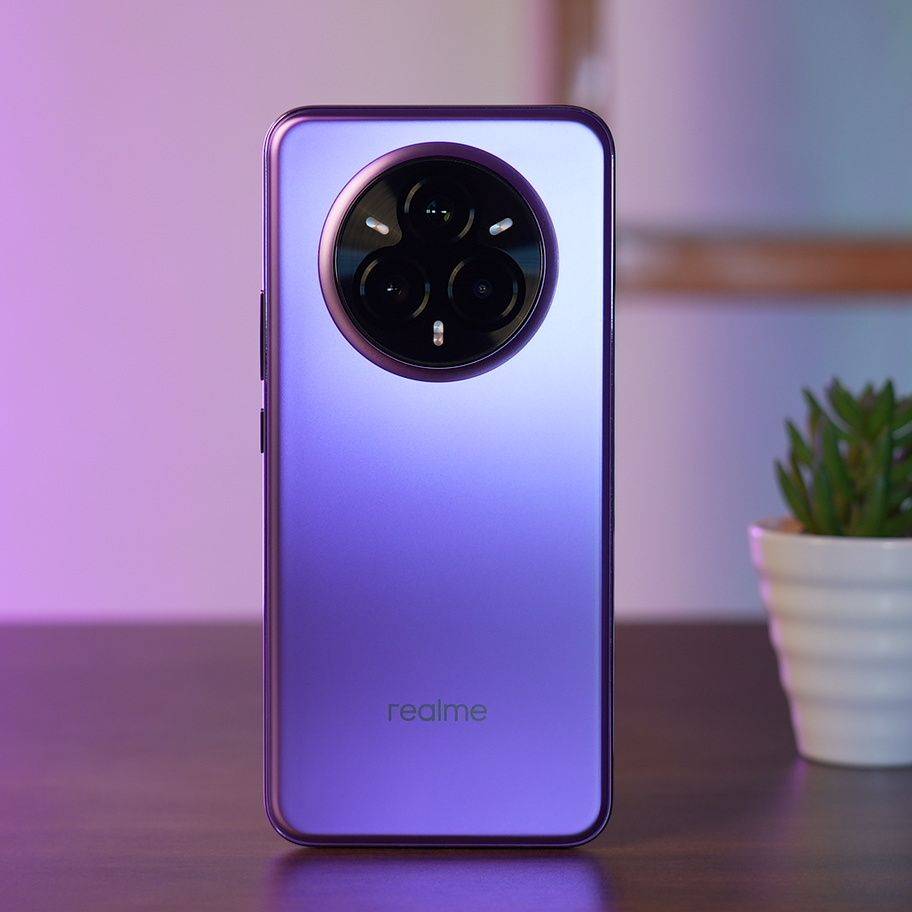
No phone is without its share of niggles, and in the case of the Realme 14 Pro+, the outdoor screen readability proves to be a pain point. Launching close to the Rs 30K price point, it does attempt to justify its price by offering quite a bit. And it’s able to deliver too. We’re talking a durable IP69-rated design, smooth performance, capable cameras and a battery that lasts a while.
| Realme 14 Pro+ | Pros | Cons |
| Review Link | Durable design | Loads of pre-installed apps |
| Smooth performance | Average outdoor visibility | |
| Reliable camera setup | ||
| Good battery backup |
Realme P3 Pro: Rating 8.1 / 10
Its rating of over 8 in our review should be enough to tell you how good this phone is. The missing ultra-wise shooter notwithstanding, the P3 Pro from Realme is an impressive smartphone that gets superlatives as prefixes to describe its design, performance, battery life and multimedia experience. Since we’re usually quite conservative when it comes to using these adjectives, the Realme P3 Pro seems to be a deserving candidate.
| Realme P3 Pro | Pros | Cons |
| Review Link | Premium & durable design | No ultra-wide camera |
| Excellent multimedia experience | Pre-installed apps | |
| Great performance | ||
| Impressive battery life |
Nothing Phone (3a) Pro: Rating 8 / 10

Nothing’s approach to devices and their design has often been described as refreshing. The new Phone (3a) takes the signature design and sticks to the design DNA despite taking a more radical approach. Going down to the basics, though, its improved camera setup, the clean Android experience, and smooth performance, combined with its Glyph interface, help it score high and get a thumbs up in our review.
| Nothing Phone (3a) Pro | Pros | Cons |
| Review Link | Unique transparent design with Glyph interface | No charger in the box |
| Powerful chipset for smooth performance | Charging speeds are not the fastest in its class | |
| Improved camera setup | Periscope lens needs improvement | |
| Clean, bloat-free Android experience |
iQOO Neo 10R: Rating 8 / 10
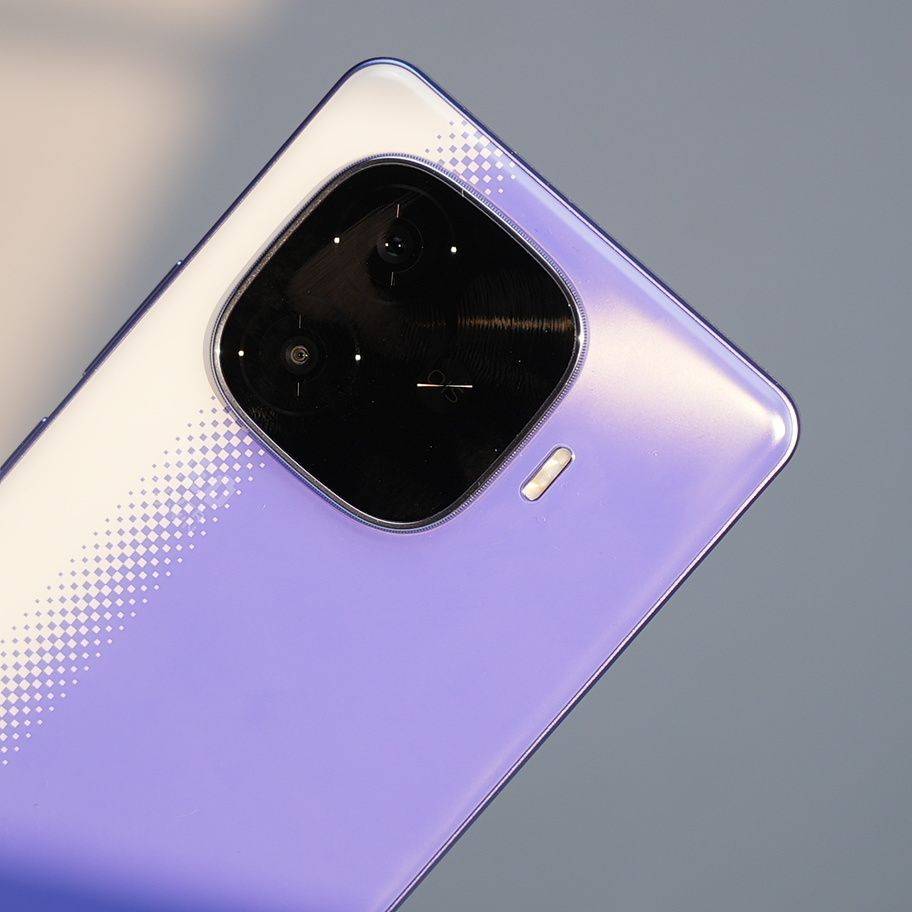
Those looking for value and performance in a smartphone know that most of iQOO’s offerings fit the bill. The iQOO Neo 10R is the latest from the brand, and conforms to the same ethos. The build quality is the weak link, but other than that, the 10R ticks almost all boxes and comes as a VFM buy for gamers and power users who don’t want to spend a bomb.
| iQOO Neo 10R | Pros | Cons |
| Review Link | Good display | No NFC support |
| Reliable cameras | Build quality could’ve been better | |
| Snappy performance | ||
| Solid battery |
Realme P3: Rating 8 / 10
Realme’s deluge of frequent phone launches continues unabated. The brand seems to be introducing one IP69-rated phone after another, while the number of pre-installed apps continues to be a pain point. The new P3 brings more of the same, coming across as an all-rounder worth considering south of the Rs 20K mark. Solid performance is another key highlight.
| Realme P3 | Pros | Cons |
| Review Link | IP69-rated design | No OIS support |
| Good display | Pre-installed apps | |
| Great performance | ||
| Decent cameras |
Realme P3 Ultra: Rating 8 / 10
The higher model in Realme’s performance-focussed P series lineup, the P3 Ultra has a lot going for it, despite being a tad underwhelming in terms of screen brightness and software support. The P3 Ultra scores high on almost all key aspects, from design to camera capabilities, and from performance to the battery backup it provides on a single charge.
| Realme P3 Ultra | Pros | Cons |
| Review Link | Sleek & lightweight design | Peak display brightness could have been better |
| Solid performance | Limited software support | |
| Reliable cameras | ||
| Large battery & fast charging |
Under Rs 50,000
OPPO Reno 13 Pro: Rating 7.7 / 10
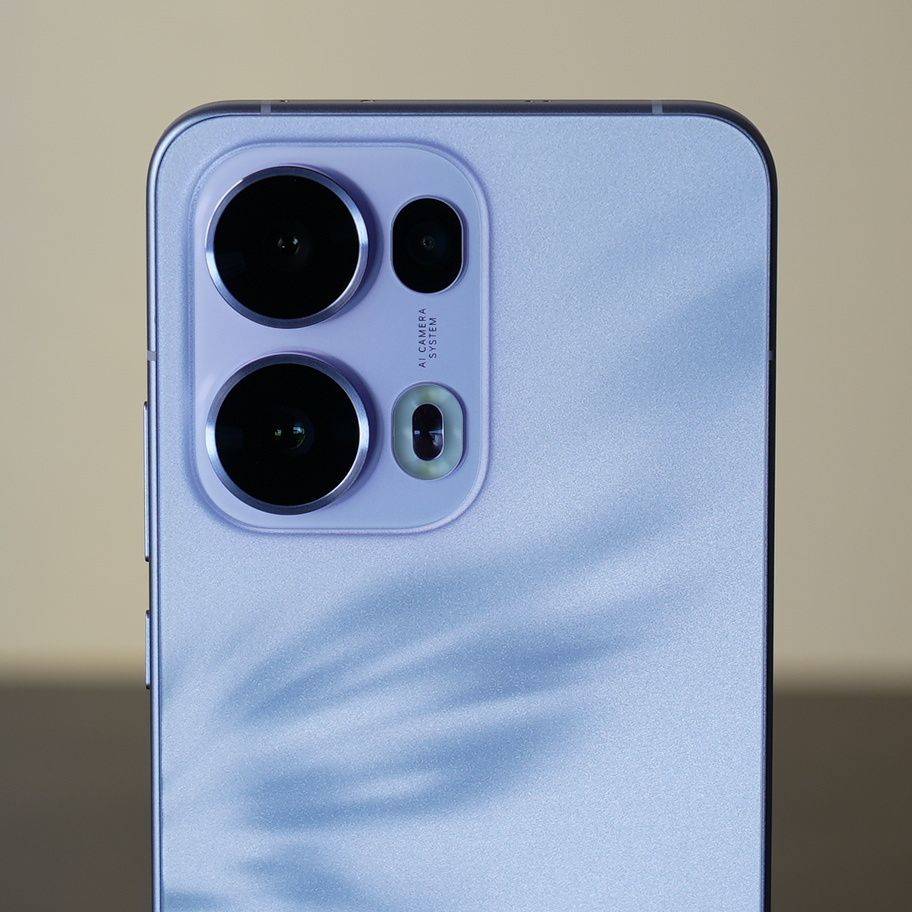
While OPPO’s Reno series used to be known mainly for camera prowess, the new Reno 13 Pro is a bonafide all-rounder. It feels a wee bit pricey given the processor it packs in, especially compared to others in its segment, but barring that, impresses with its gorgeous display, camera abilities and the AI features on offer. The triple IP ratings, including IP69 certification, help add immensely to the peace of mind.
| OPPO Reno 13 Pro | Pros | Cons |
| Review Link | Gorgeous 120Hz AMOLED display | Pricey |
| Useful AI features | Processor could have been more powerful | |
| Impressive primary camera | ||
| Decent battery backup |
OnePlus 13R: Rating 8 / 10
The value proposition offered by the R series from OnePlus is hard to beat, and the new 13R doesn’t stray away from the course charted by its predecessors. The design feels a bit underwhelming, though that’s still up to individual taste. Demanding users and gamers would quite appreciate the display capabilities, performance and battery life, and the cameras are quite decent too. A solid all-rounder overall.
| OnePlus 13R | Pros | Cons |
| Review Link | Excellent performance for gaming and regular usage | Design might not appeal to all |
| Stunning display with Dolby Vision support | Charges slower than the OnePlus 12R | |
| Useful telephoto camera for portraits | Average selfie and ultrawide cameras | |
| Reliable battery life for gaming and streaming |
Vivo V50: Rating 7.5 / 10

Number crunching isn’t its forte, but the V50 from Vivo looks quite impressive with its sleek design. Vivo seems to have developed quite an expertise in making sleek phones, and adds an IP69 rating to that for extra peace of mind. The V50 also delivers in terms of its vibrant display and battery life on offer. The camera quality, especially the selfie performance, is quite nice as well. The signature Aura light is there too, and does its part in delivering good photos.
| Vivo V50 | Pros | Cons |
| Review Link | Sleek and durable design | Ultrawide camera needs improvement |
| Vibrant display | Lags behind competitors in raw performance | |
| Battery life | ||
| Good selfie camera |
Samsung Galaxy A36: Rating 7.8 / 10
Those seeking high performance can look away, but the Galaxy A36 is a reliable option in the mid-range for everyone else. The standout points that work in its favour include capable cameras and 6 years of software support promised by the brand, making it a future-proof option. One UI 7 delivers a good user experience, with features and ecosystem goodies that deserve appreciation for factors like ease of use, usefulness, productivity and security.
| Samsung Galaxy A36 | Pros | Cons |
| Review Link | Excellent multimedia output | No expandable storage |
| Smooth & capable One UI 7 | Performance could be better | |
| Reliable camera setup | ||
| 6 years of software support |
Samsung Galaxy A56: Rating 7.9 / 10

Labelled as “the AI-powered mid-ranger with long-term value” as per our review headline, the Galaxy A56’s core proposition lies not in pure performance, but as a device that scores higher than the sum of its parts. Speaking of, some key parts to consider include capable cameras, useful AI tools, long-term software support that keeps the smartphone relevant for longer, and a clean, subtle design that might not turn heads but still exudes class.
| Samsung Galaxy A56 | Pros | Cons |
| Review Link | Durable design | Thermal efficiency could have been better |
| Capable camera setup | Not ideal for power users | |
| AI tools for cameras | ||
| Long-term software support |
Flagships
Tecno Phantom V Fold 2: Rating 7.5 / 10

Launched in India back in December, the Phantom V Fold 2 from Tecno holds the distinction of being the most affordable book-style foldable. Barring the fact that it makes use of an older chipset, the smartphone comes as a interesting proportion for those coveting a foldable, either for its novelty or the flexibility it offers — turning into a small tablet with a quick unfold. The main screen barely has any crease, while the intuitive UI helps add to the overall user experience.
| Tecno Phantom V Fold 2 | Pros | Cons |
| Review Link | Attractive design with barely visible crease | Old processor |
| Vibrant 120Hz LTPO displays | Low-light camera performance | |
| Intuitive user interface | ||
| Entry-level pricing for foldable phones |
OnePlus 13: Rating 8.2 / 10
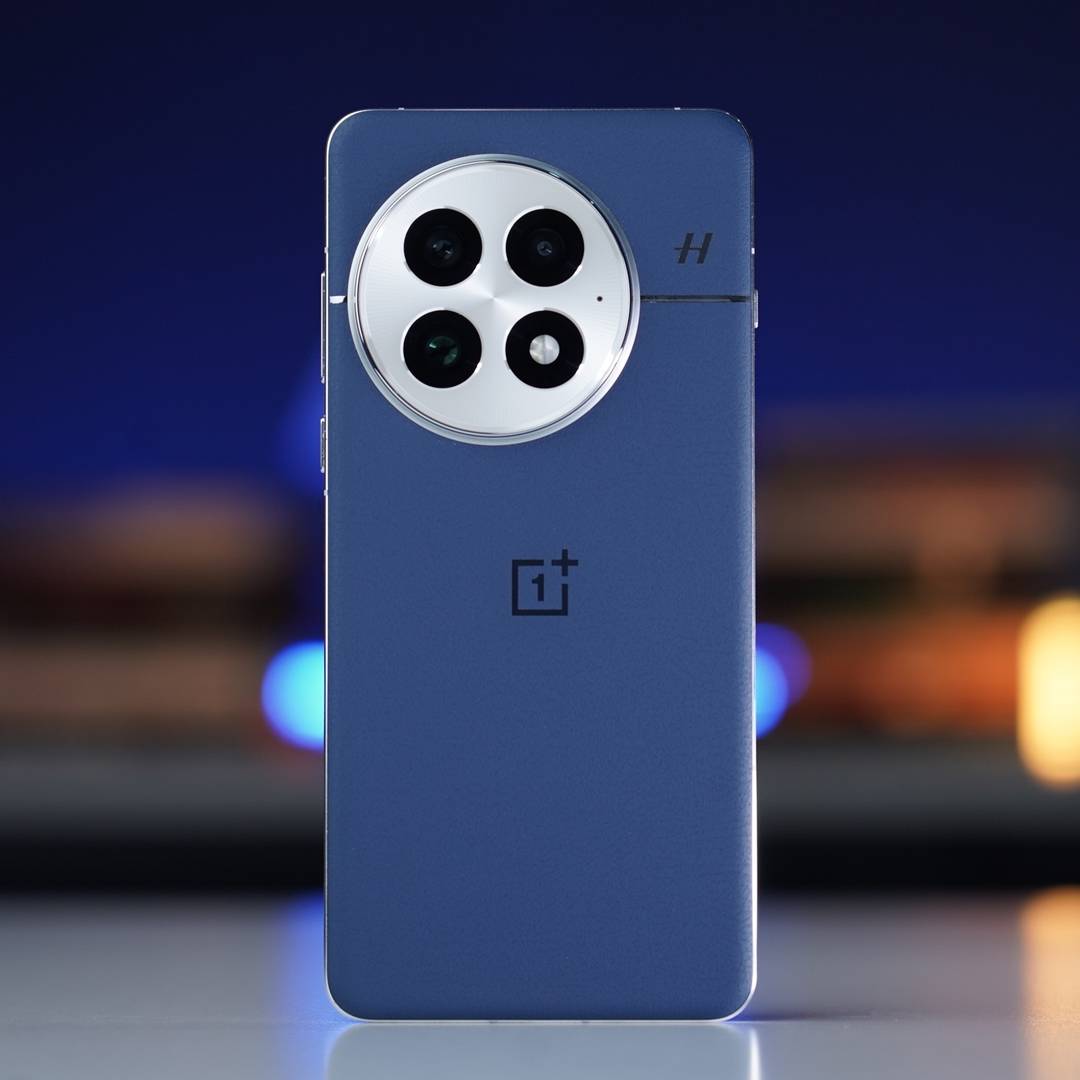
The torchbearer from OnePlus raises the bar each year, and this year’s flagship ups the ante even further. Admittedly, the design isn’t that exciting as the rest of the phone, but the performance on offer, the long battery life, the camera prowess, and the capabilities of the ProXDR display make it an all-rounder that can’t be ignored by anyone looking for a powerful daily driver.
| OnePlus 13 | Pros | Cons |
| Review Link | Stunning 2K ProXDR display | Design can be improved |
| IP69 rating for dust and water | Few unnecessary proprietary apps | |
| Reliable cameras | ||
| Long battery backup |
Samsung Galaxy S25: Rating 8 / 10
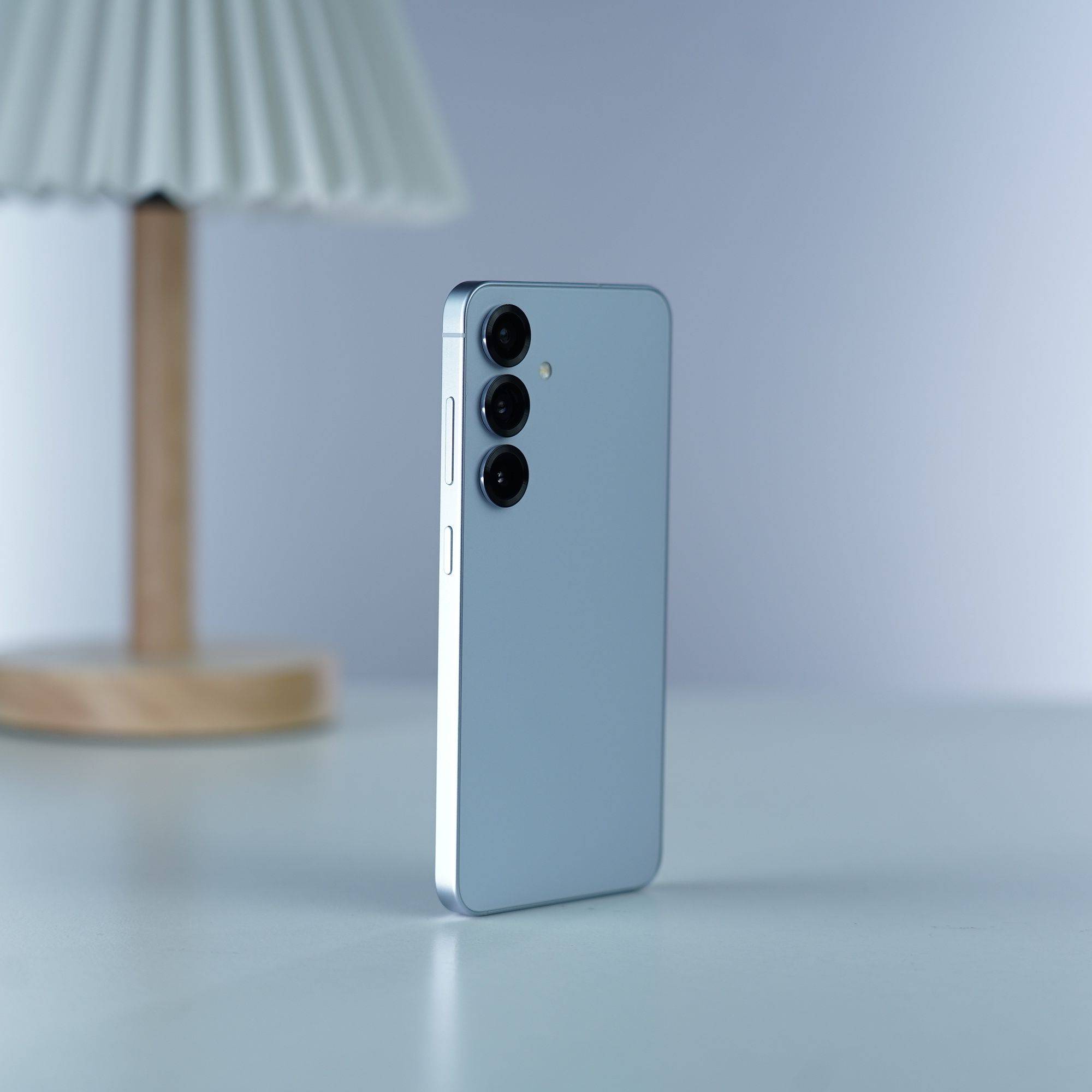
As the smallest member of the new Galaxy S series from Samsung, the S25’s mainstay has to be its compact design while delivering the absolute best the brand has to offer. This includes top-notch performance and a reliable set of cameras. The AI goodies Samsung has packed in, combined with the software features and ecosystem advantages brought in by the One UI platform, combine to make it a compelling flagship.
| Samsung Galaxy S25 | Pros | Cons |
| Review Link | Premium & compact design | Slow charging speeds |
| Excellent performance | Battery life could have been better | |
| Reliable cameras | ||
| New & improved AI features |
Samsung Galaxy S25+: Rating 8 / 10
While the overall proposition remains the same as its siblings in the S series, the Galaxy S25+ manages to make a place for itself in the lineup as the most loaded contender for anyone who finds the S25 Ultra too big or doesn’t have use for its S Pen. The large, vibrant display, solid battery life, superb cameras, One UI and ecosystem benefits, plus the AI features on offer — what’s not to like? Apart from the price tag and the missing charger, that is.
| Samsung Galaxy S25+ | Pros | Cons |
| Review Link | Tall punchy display | Charging speed is average (no charger too) |
| Galaxy AI features | Unchanged design | |
| Battery life | ||
| Log mode in video |
Samsung Galaxy S25 Ultra: Rating 8.6 / 10
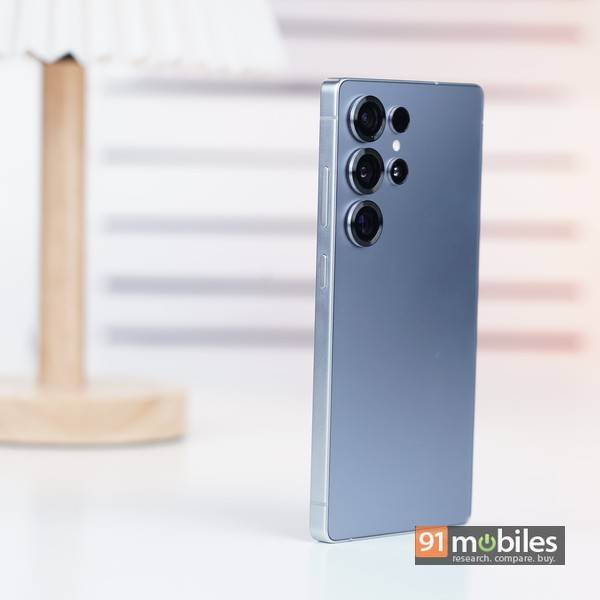
Samsung’s torchbearer and acting as showcase of the brand’s technological prowess, the Galaxy S25 Ultra builds upon the AI dominance claimed by its predecessor, coming across as a smartphone packed to the gills with AI features. The brand has not only enhanced AI features seen before, but added many new ones as well. Then there’s the S Pen that continues to act as the biggest differentiator for the Ultra, along with everything else expected of a premium flagship — performance, cameras, battery life and more.
| Samsung Galaxy S25 Ultra | Pros | Cons |
| Review Link | Excellent display | S Pen misses out on Air Actions |
| Solid performance & battery life | Pricey | |
| AI & software features | Incremental upgrade over predecessor | |
| Lighter than before |
Xiaomi 15: Rating 8 / 10
Carrying its partnership with iconic brand Leica forward, Xiaomi’s latest compact flagship is a powerhouse performer and improves upon in predecessor in meaningful ways. While the Leica cameras remain a key highlight, aspects like the beefier battery, newer chipset, and AI features help its cause and make it a worthy option to consider in the premium space.
| Xiaomi 15 | Pros | Cons |
| Review Link | Compact and lightweight design | Occasional contrast and exposure issues |
| Excellent performance | Throttles under heavy load | |
| Versatile Leica cameras | ||
| Solid battery life and fast charging |
Xiaomi 15 Ultra: Rating 8.3 / 10
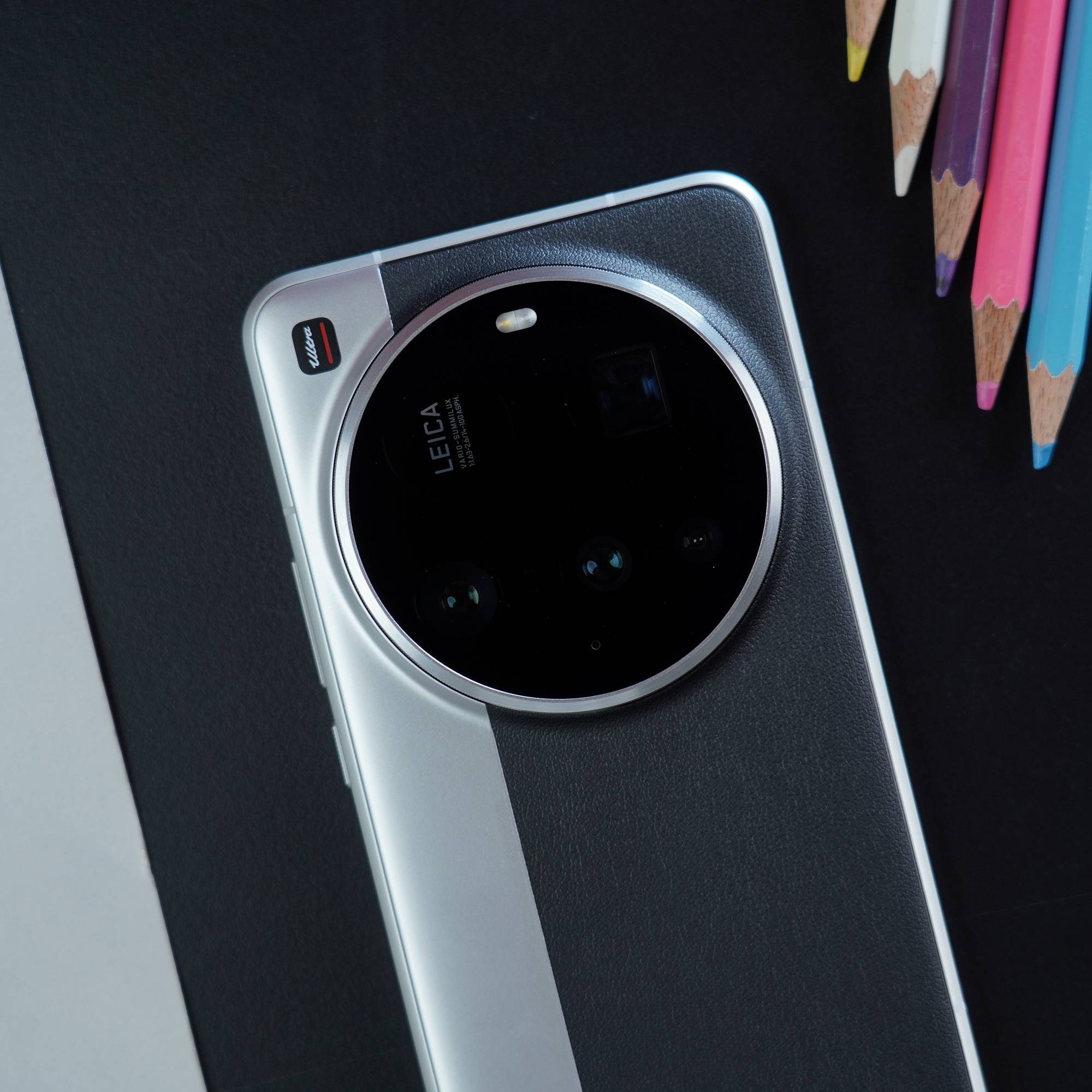
There are camera phones, and then there are devices like the Xiaomi 15 Ultra that are more camera than phone. The large camera module, two-tone luxurious finish, Leica branding and the optional Photography Kit that converts it into a proper Leica camera, complete with physical controls, make it a photographer’s delight. Not to mention all the boxes it checks to mark its place as a true-blue 2025 premium flagship.
| Xiaomi 15 Ultra | Pros | Cons |
| Review Link | Brilliant display | Limited productivity AI features |
| Reliable Leica cameras | Only one colour option | |
| Solid battery | ||
| Smooth performance |